Getting Started With Backyard Chickens
Published How we research
Backyard chickens are one of the easier livestock projects a household can take on, but the birds still depend on you completely for shelter, food, water and protection. The keepers who enjoy the hobby years later are almost always the ones who did the boring preparation first: reading the local rules, building or buying more coop than they thought they needed, and deciding in advance who feeds the flock when the family is away. Start there and the rest of the first year is mostly pleasant routine.
Begin with legality, because it is the one thing you cannot fix later. Many towns, cities and homeowner associations regulate poultry, and the rules vary enormously. Common restrictions include a maximum number of hens, a ban on roosters, minimum setback distances between a coop and a property line or neighbouring dwelling, and requirements for manure storage. Call your municipal office or planning department and ask directly rather than relying on a forum post about a different town. If you rent, get written permission from your landlord. It is far better to discover a six-hen limit before you order twelve chicks.
Next, decide what you actually want from the flock. Eggs are the usual answer, and three to six hens produce more than enough for most families during the laying season. If you want birds that are calm enough for children to handle, breed temperament matters more than laying rate. If you want chickens mainly for garden pest control and compost, you can prioritise hardy foragers. Being honest about the goal keeps you from buying a mixed bag of birds that suits nothing in particular. Also consider that hens live for years beyond their peak laying period, so plan for what happens when production slows.
Budget for the setup rather than the birds. Chicks themselves are inexpensive; the coop, run, feeder, waterer, bedding, feed and predator-proof hardware cloth are where the money goes. A secure coop with a covered run is the single biggest line item and the one worth overspending on, because it is what stands between your flock and the raccoons, foxes, hawks, dogs and rats that will eventually find it. Buy or build for more birds than you plan to keep. Almost everyone adds more chickens in year two, and a crowded coop causes feather picking, bullying and respiratory problems.
Getting the birds themselves offers three main routes. Day-old chicks are cheapest and give you the widest breed choice, but they need a brooder, a heat source and about six weeks of close attention. Started pullets are several weeks old, already feathered and past the fragile stage, so they can go straight outside in mild weather. Point-of-lay pullets around sixteen to twenty weeks cost the most but start producing eggs quickly. Whichever you choose, buy from a reputable hatchery or breeder, and keep any new birds separated from an existing flock for a few weeks so you do not import disease.
Daily care settles into a rhythm quickly. Every morning the flock needs clean water and access to a complete feed appropriate to their age, plus a quick look at each bird to confirm everyone is bright, alert and moving normally. Eggs get collected at least once a day. Every evening the coop gets closed against predators. Weekly you top up or turn bedding, scrub the waterer, and check the run for holes or digging. Once a month, do a slower inspection of the birds and the housing, looking for mites, damaged wire and worn latches.
Finally, know your limits. Chickens hide illness well, and by the time a bird looks obviously sick it usually needs professional help. Find a veterinarian who treats poultry, or locate your regional agricultural extension service or poultry advisory line, before you need one. Do not self-prescribe medication or copy dosing advice from social media. Good husbandry, clean water, dry bedding, space and quarantine prevents far more problems than any treatment cures.
Products from this article
The highest-scoring picks from the buying guides mentioned above. Scores are our editorial assessment, not customer ratings.
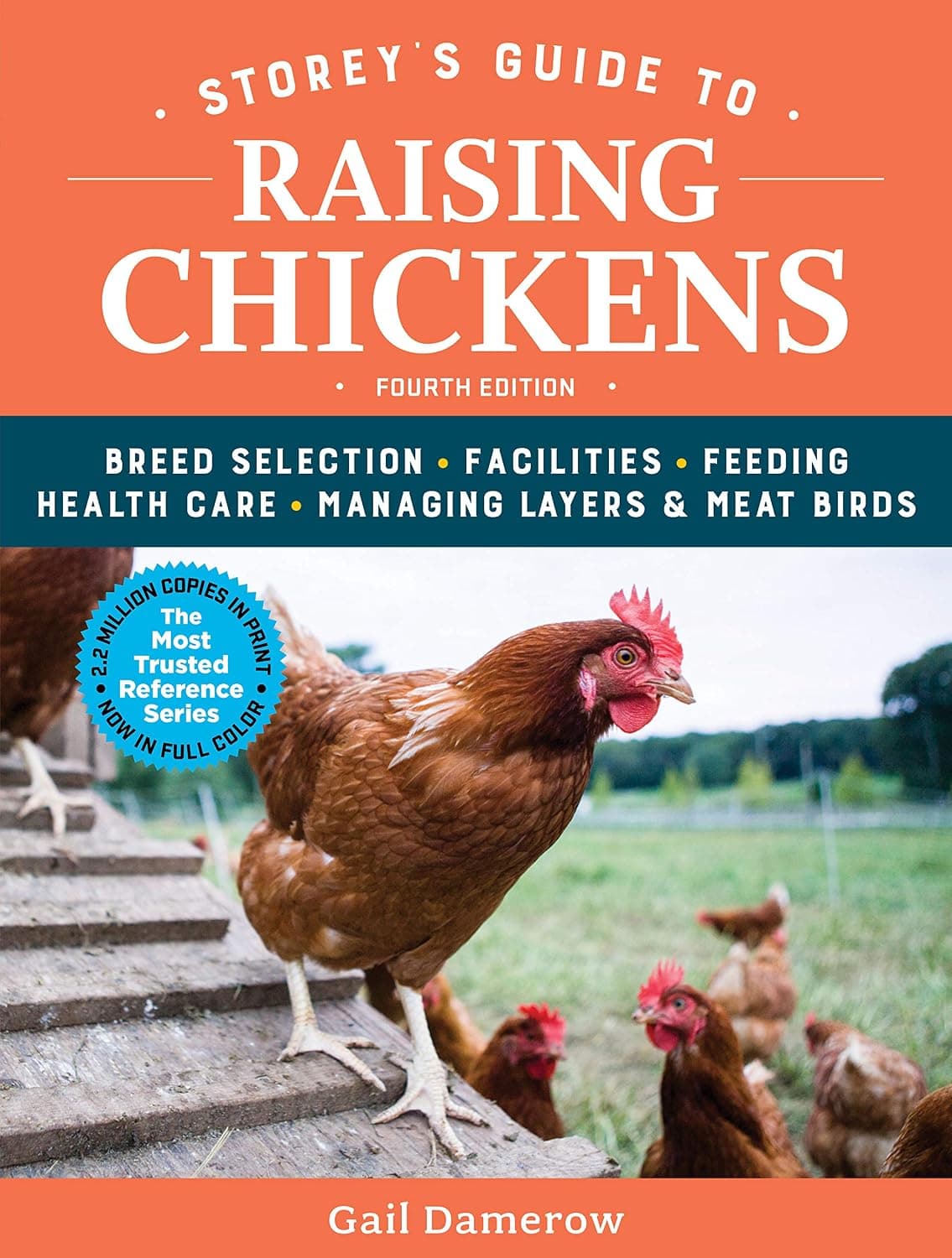
+ Covers breed selection, facilities, feeding and health care in one volume
From our guide: Best Chicken Keeping Books for New and Seasoned Keepers
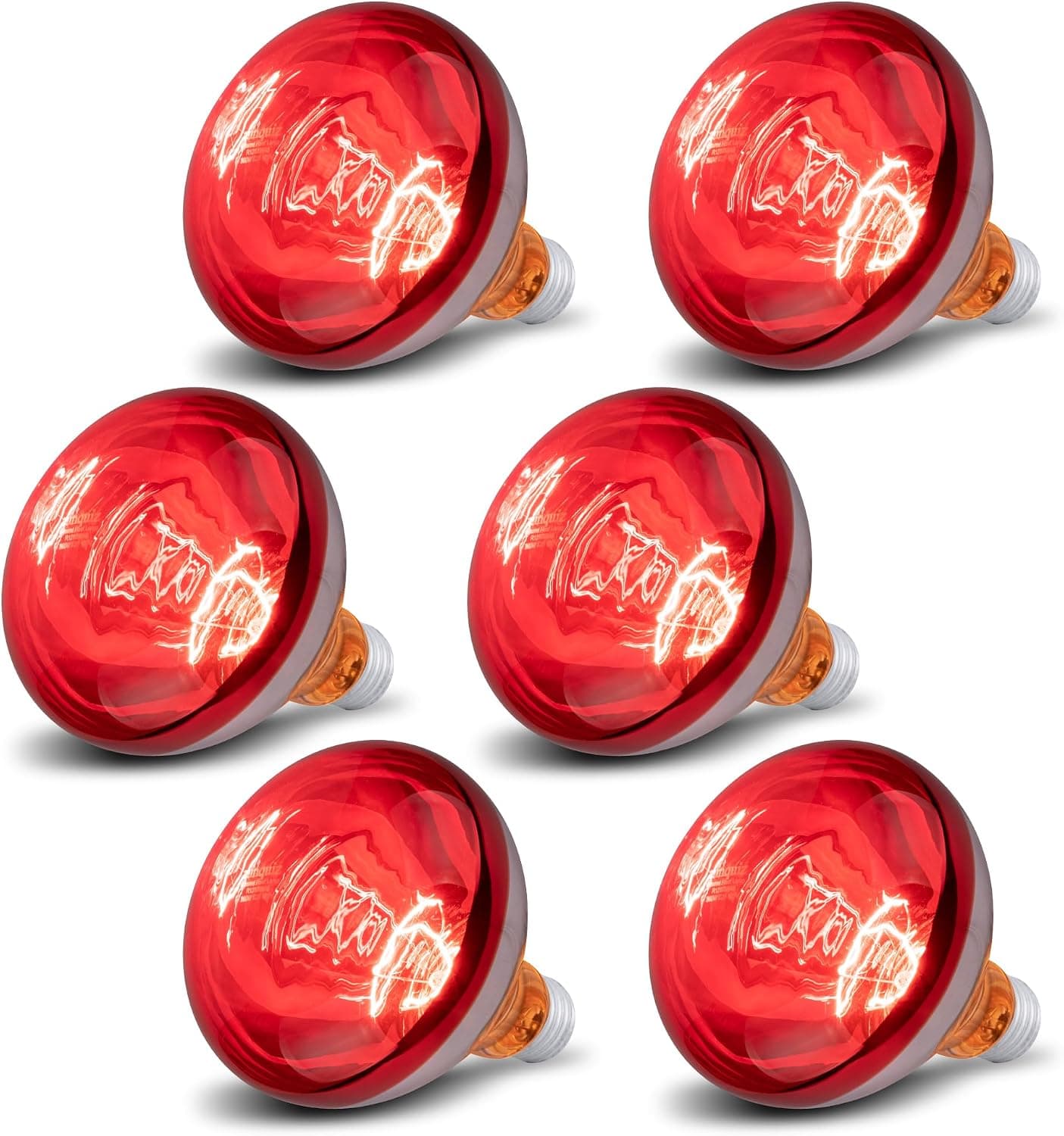
+ 6 Pack means spare bulbs are ready when one burns out mid-brood
From our guide: Best Heat Lamps for Chicks (and Safer Alternatives)
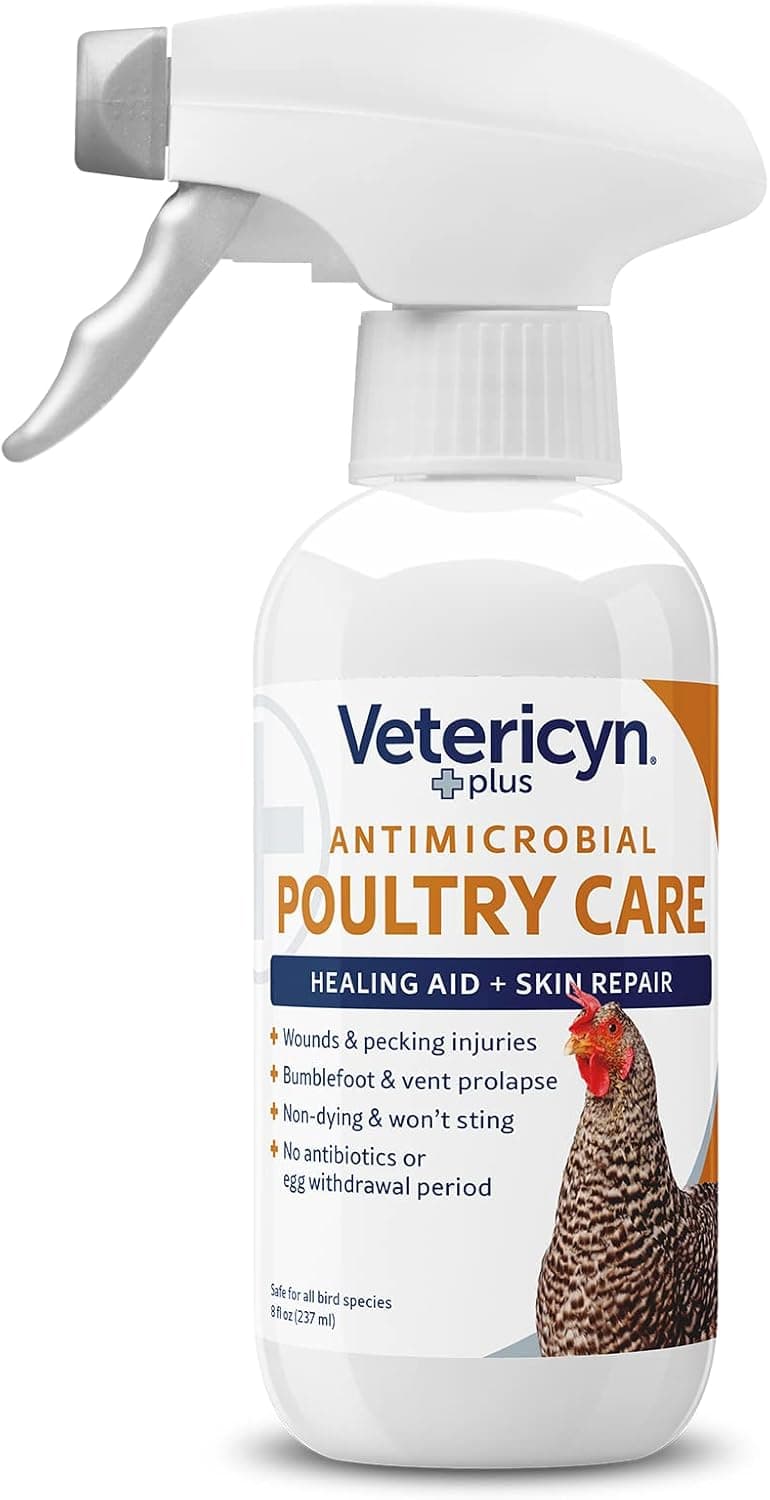
+ Treats pecking wounds, bumblefoot and vent issues in one bottle
From our guide: Best Poultry First Aid Supplies for a Coop Kit
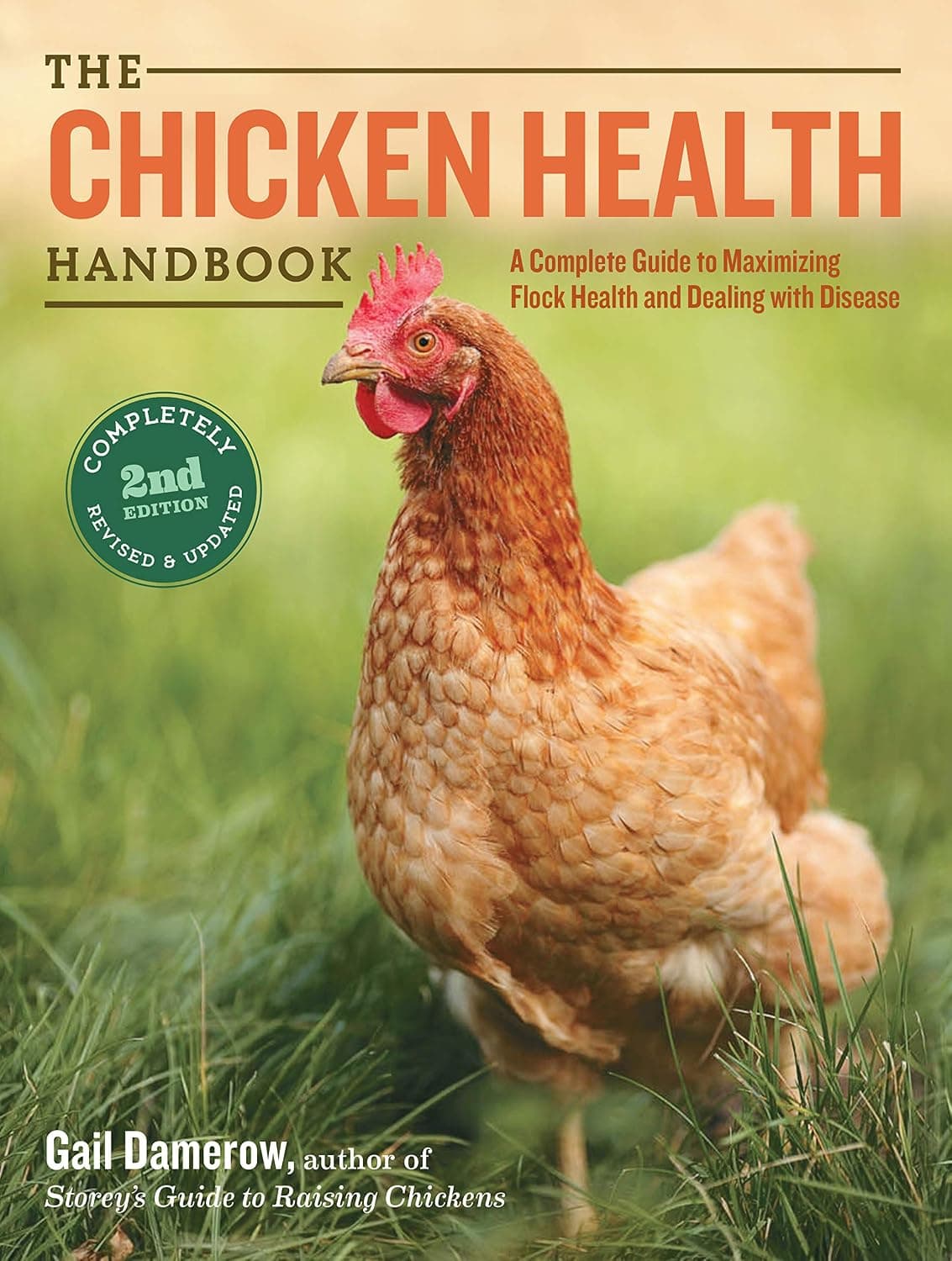
+ Focused health guide helps you spot and act on illness early
From our guide: Best Chicken Keeping Books for New and Seasoned Keepers
Popular right now
- Best Poop Trays for Under RoostsBuying guide
- How Much Space Chickens Need in the Coop and RunArticle
- Free Ranging Chickens SafelyArticle
- Composting Chicken Manure SafelyArticle
- Best Nesting Pads for Nest BoxesBuying guide
- The Deep Litter Method ExplainedArticle
Based on the last 28 days of search and visitor data.