Composting Chicken Manure Safely
Published How we research
Chicken manure is one of the best things a backyard flock produces, and it is also the thing most likely to be used incorrectly. Fresh manure is high in nitrogen, which makes it an outstanding fertiliser once composted and a reliable way to burn plants if applied raw. It can also carry pathogens, so how long you age it and where you use it matters. Composting solves both problems at once, and the process is simple once you understand the ingredients.
Products from this article
The highest-scoring picks from the buying guides this article links to. Scores are our editorial assessment, not customer ratings.
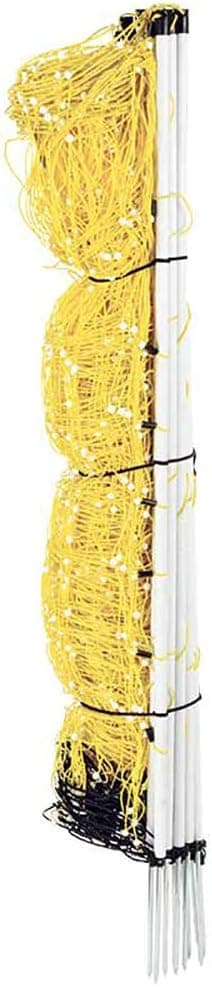
+ Extra line posts keep the net taut and more effective
From our guide: Best Electric Poultry Netting for Free-Range Flocks
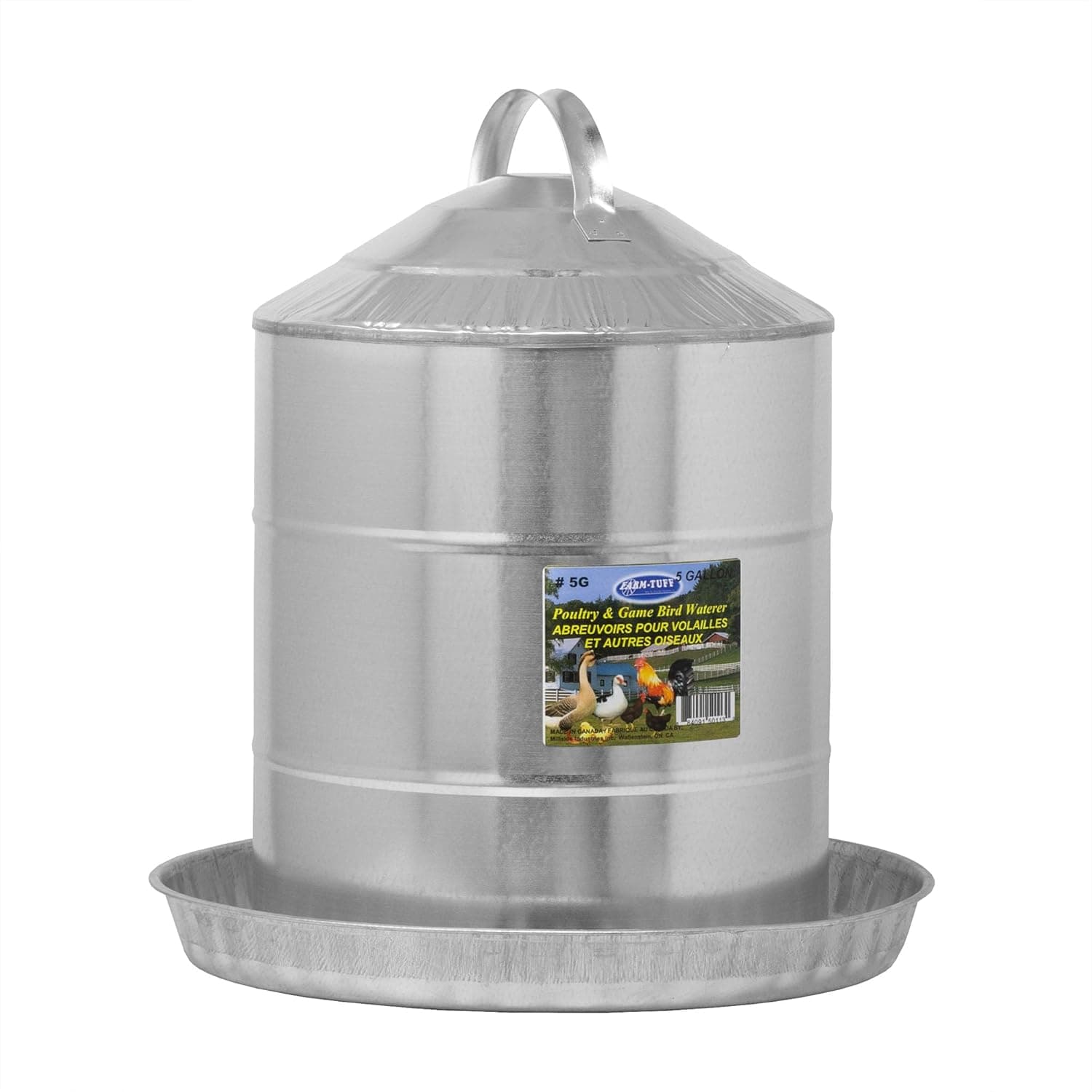
+ Cone top stops birds from perching on the waterer and fouling it
From our guide: Best Chicken Waterers
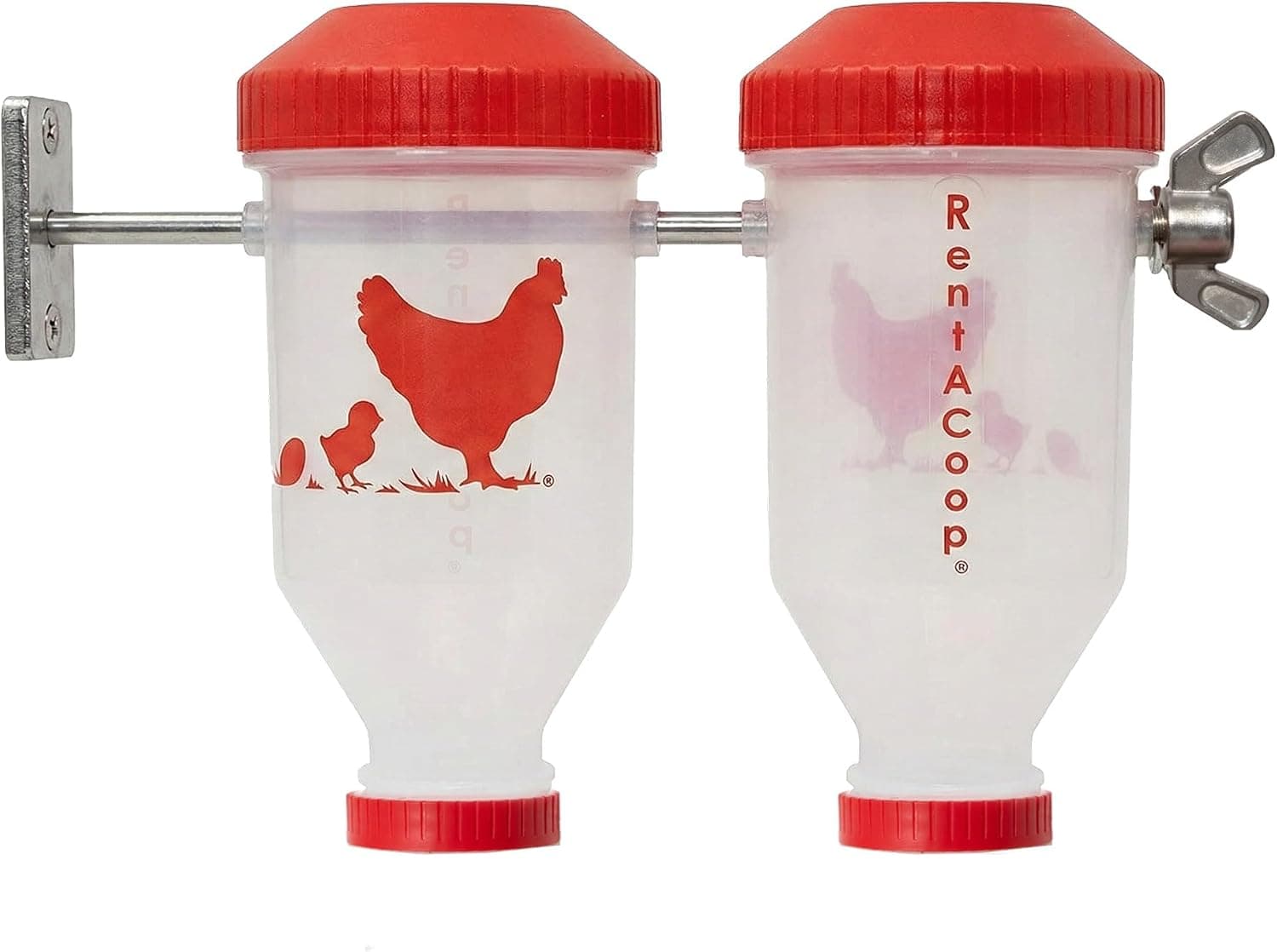
+ Top-fill design makes loading scratch or seeds quick and tidy
From our guide: Best Chicken Treat Dispensers and Boredom Feeders
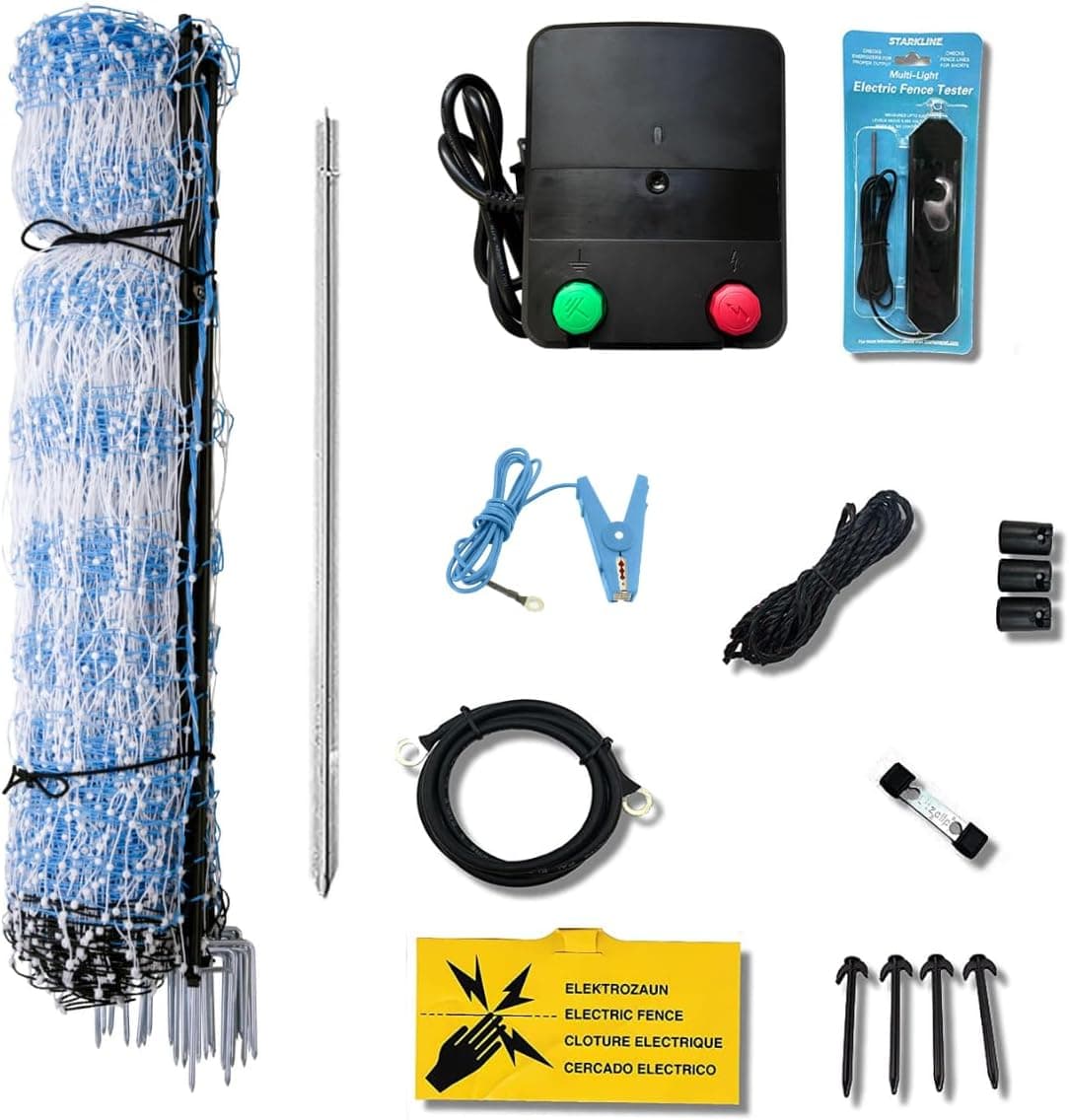
+ A/C energizer is included, so the kit is complete out of the box
From our guide: Best Electric Poultry Netting for Free-Range Flocks

Composting is microbial digestion, and the microbes need four things: carbon, nitrogen, moisture and air. Chicken droppings supply nitrogen in abundance. The bedding you clean out of the coop, whether pine shavings, straw, hemp, shredded cardboard or dried leaves, supplies the carbon. Conveniently, the mixture that comes out of a coop is usually already in a workable range, though most backyard clean-outs are nitrogen-heavy and benefit from additional dry carbon material. A common target is roughly two to three parts carbon material by volume to one part manure, adjusted by smell and behaviour rather than measured precisely.
Build the pile somewhere convenient, ideally in a contained bin or a three-sided bay, and aim for a heap at least three feet in each dimension so it can hold heat. Layer coop litter with additional browns such as autumn leaves, straw or shredded cardboard. Add kitchen scraps and garden waste if you have them. Moisten as you build until the material feels like a wrung-out sponge: damp but not dripping. Too dry and the microbes stall; too wet and the pile goes anaerobic, smells foul and stops heating.
A well-built pile heats up within a few days as microbial activity takes off. This heat is what breaks material down quickly and reduces pathogens, so keeping it going is worthwhile. Turn the pile every one to two weeks with a fork, moving the outside material to the centre, which reintroduces air and exposes unprocessed material to the hot core. Each turn typically causes a new temperature rise. Many gardeners use a compost thermometer to track this. If the pile smells of ammonia it needs more carbon and more air; if it smells sour or rotten it is too wet and needs turning and dry material.
Time is the other essential ingredient. Composting is not instant, and manure compost needs to be genuinely finished before it goes near food crops. Finished compost is dark, crumbly, cool, and smells earthy rather than of chicken. Depending on how actively you manage it, that takes anywhere from a few months in a hot, frequently turned pile to a year or more in a passive heap. Err on the side of longer. Common food safety guidance for home gardeners is to apply composted manure well in advance of harvest, and to be particularly cautious with crops eaten raw or growing in contact with soil, such as salad greens, root vegetables and strawberries. Your regional extension service publishes specific waiting periods for your area and is the right source for exact numbers.
Use finished compost as a soil amendment rather than a growing medium. Spread an inch or two and work it into beds, or use it as a mulch around established plants. It is rich, so a little goes a long way, and over-application can push excessive leafy growth at the expense of fruit. Perennials, fruit trees, ornamentals and lawns are excellent places to use compost that you are less certain about, since nothing edible is in direct contact.
A few practical precautions round it out. Wear gloves when handling raw manure and wash hands afterwards. Keep the pile away from wells, streams and ditches so runoff does not carry nutrients into water. Cover it in heavy rain to stop it waterlogging and leaching. Site it where it will not annoy neighbours. And check local regulations, since some municipalities have specific rules about storing and composting manure in residential areas.
Popular right now
- Best Egg Washers and Brushes for Cleaning Fresh EggsBuying guide
- Predator Proofing KitCollection
- Best Chicken Scratch and TreatsBuying guide
- Best Heat Lamps for Chicks (and Safer Alternatives)Buying guide
- Best Chick Starter KitsBuying guide
- Best Poop Trays for Under RoostsBuying guide
Based on the last 28 days of search and visitor data.