Free Ranging Chickens Safely
Published How we research
Free ranging is the version of chicken keeping most people picture: hens wandering a lawn, scratching under shrubs and following you around the garden. The benefits are genuine. Ranging birds get exercise, varied forage, insects, sunlight and endless mental stimulation, which shows up as better feather condition, fewer behavioural problems and richly coloured yolks. The costs are equally genuine, and predation is the main one. Most keepers end up somewhere between full ranging and full confinement.
Be clear-eyed about the risks before deciding. Hawks take birds from open ground in daylight, and a chicken in a mown lawn with no cover is an easy target. Foxes, coyotes, dogs and cats hunt at dawn, dusk and any time in between. Loose neighbourhood dogs cause a large share of backyard losses. Beyond predators, ranging hens dig up flower beds, strip vegetable seedlings, dust bathe in freshly planted soil, lay eggs in hidden nests, cross into neighbours' gardens, contact wild birds and their diseases, and occasionally find something toxic. None of these is a reason not to range, but each needs a plan.
Cover is the single most effective predator defence for ranging birds. Chickens instinctively stay near shrubs, trees, hedges and anything they can dart under, and a flock with good cover suffers far fewer aerial losses than one on open grass. If your ground is bare, create cover artificially: pallets on blocks, an old table, a sheet of plywood raised at the corners, brush piles, or shrubs planted around the range area. Keep cover distributed so birds are never far from safety.
Supervised ranging is a good compromise for most backyards. Let the flock out when you are at home and outside, and put them back in a secure run when you leave. Late afternoon ranging is popular because the birds put themselves to bed at dusk, which makes shutting them in easy, and because the window of exposure is shorter. Chickens learn a routine remarkably well, and a shaken scratch container becomes an effective recall signal within days.
Where full ranging is not practical, the middle options are excellent. Electric poultry netting creates a movable paddock that deters ground predators and keeps birds out of the vegetable patch; it needs a properly earthed energiser and vegetation kept clear of the wires. A chicken tractor, which is a floorless mobile pen, gives access to fresh grass daily while keeping birds fully enclosed, and is a good fit for small gardens. A large covered run with deep litter, stumps, perches, dust bathing areas and hanging greens provides much of the enrichment of ranging with none of the predation risk. Rotating between two or three fenced areas prevents any one patch being scratched to bare dirt.
Protect what you care about rather than trying to train chickens. Fence the vegetable garden instead of fencing the chickens out of the rest of the property. Use low wire cloches over seedlings, mulch beds with something the birds dislike scratching, and accept that a ranging flock and a pristine ornamental border are broadly incompatible. Providing a dedicated dust bathing pit gives them somewhere legitimate to dig, which reduces the damage elsewhere.
Keep some routines regardless of the setup. Count the birds every evening, because ranging losses are often only noticed at bedtime. Close the coop securely every night. Do not leave feed scattered outside overnight, since it draws rats and larger predators. Keep an eye on where hens disappear to during the day so you find hidden nests before they turn into a clutch. Check the flock for injuries after any disturbance, and if you find a bird with a wound, separate it and seek advice from a poultry veterinarian rather than treating anything significant yourself. Finally, check local rules and be considerate of neighbours; hens that visit the garden next door are the usual reason backyard chicken permissions get withdrawn.
Products from this article
The highest-scoring picks from the buying guides mentioned above. Scores are our editorial assessment, not customer ratings.
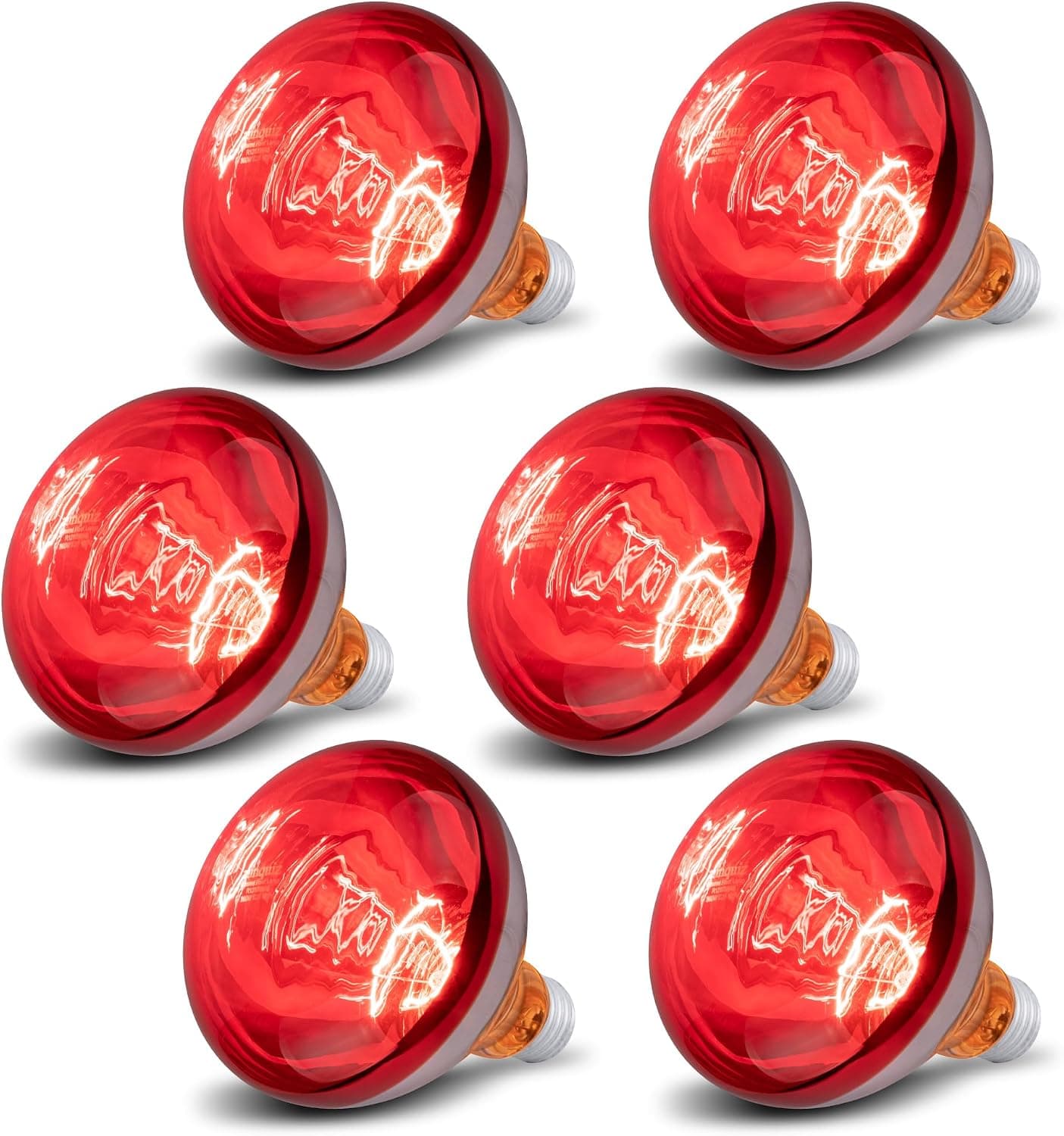
+ 6 Pack means spare bulbs are ready when one burns out mid-brood
From our guide: Best Heat Lamps for Chicks (and Safer Alternatives)
+ Spinning reflective rods create flashes that unsettle birds of prey
From our guide: Best Hawk Deterrents for Backyard Chicken Runs
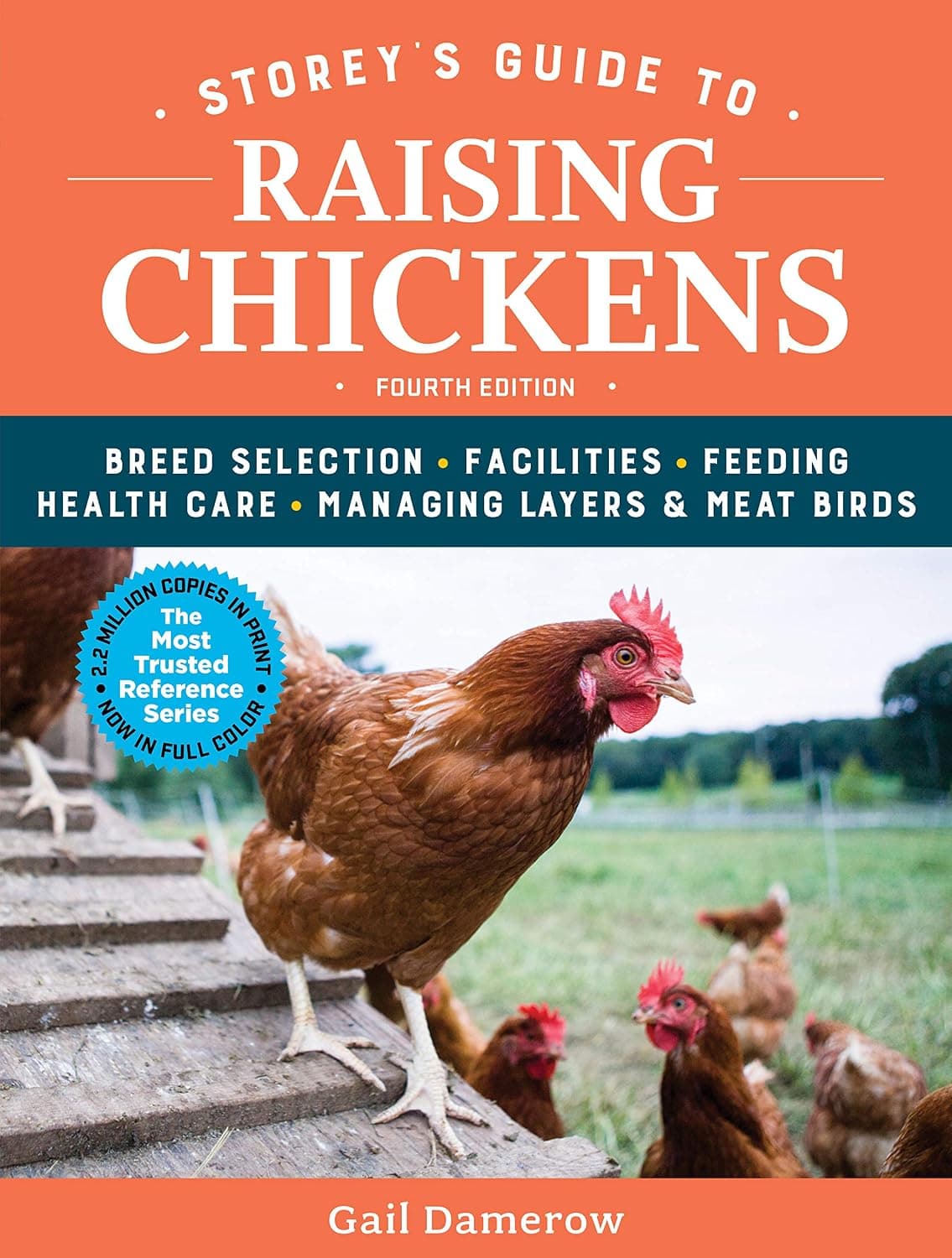
+ Covers breed selection, facilities, feeding and health care in one volume
From our guide: Best Chicken Keeping Books for New and Seasoned Keepers
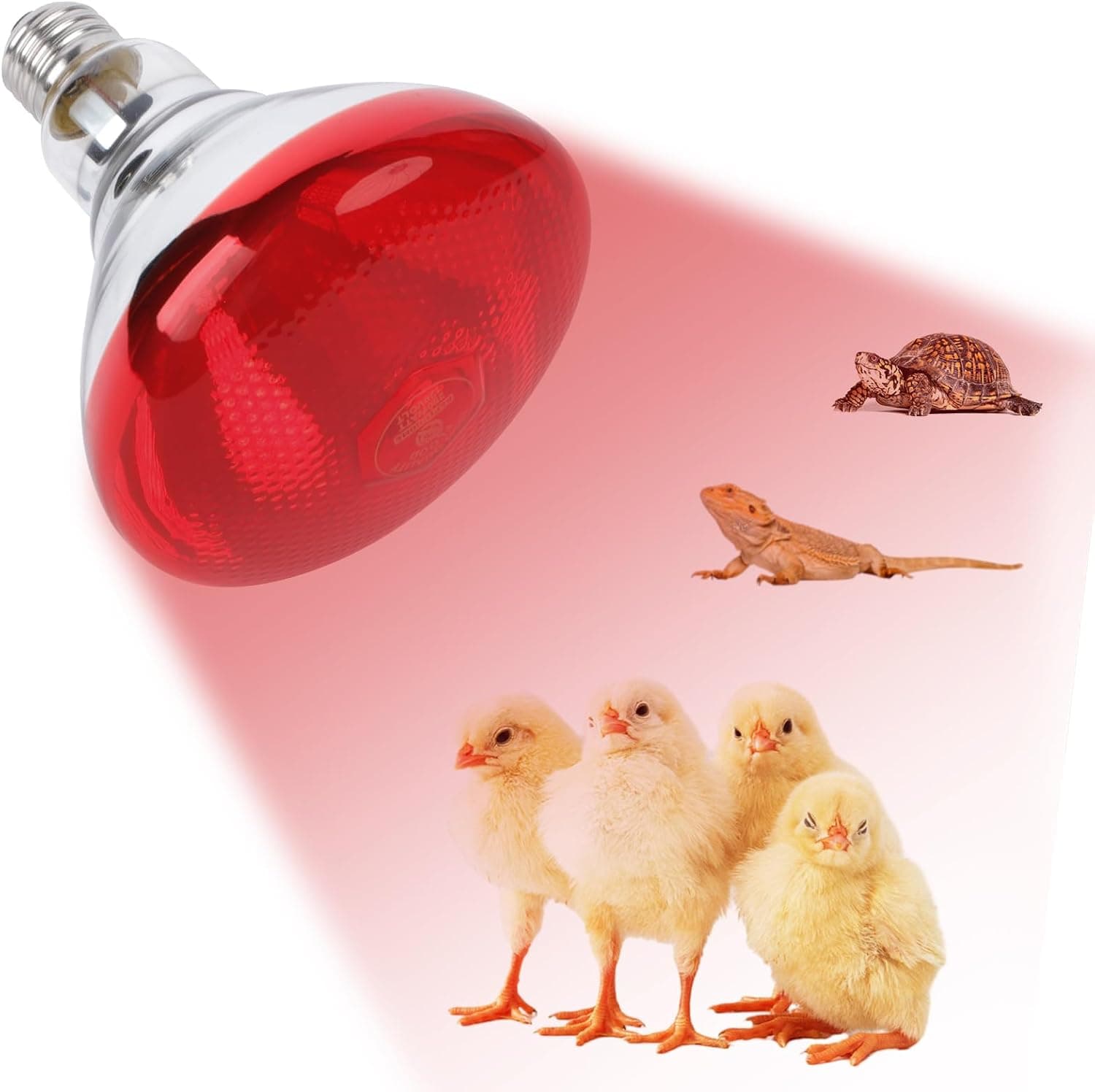
+ Par38 glass bulbs are generally tougher than thin reflector bulbs
From our guide: Best Heat Lamps for Chicks (and Safer Alternatives)

Popular right now
- Best Poop Trays for Under RoostsBuying guide
- How Much Space Chickens Need in the Coop and RunArticle
- Composting Chicken Manure SafelyArticle
- Best Nesting Pads for Nest BoxesBuying guide
- The Deep Litter Method ExplainedArticle
- Broody Hens ExplainedArticle
Based on the last 28 days of search and visitor data.