Winter Care for Backyard Chickens
Published How we research

Chickens handle winter far better than most new keepers expect. Their real enemies are damp, wind and frozen water, not cold air. A flock in a dry, well-ventilated, draft-free coop with constant access to liquid water and a complete ration will come through a hard winter in good shape, often with only a seasonal dip in laying. Most winter problems trace back to a coop that was sealed too tightly or a waterer that froze while nobody was looking.
Start with the housing. Winterising a coop does not mean sealing it. Moisture from droppings and from the birds' own breathing has to escape, and if it cannot, it condenses on surfaces, soaks the bedding and settles on combs, which is precisely how frostbite happens. Keep generous ventilation openings high on the walls, above the level of roosting birds, so warm damp air rises out. Close low windows, block gaps at perch height and add a windbreak on the prevailing weather side so no air blows directly across the birds while they sleep. If you find frost on the inside of the roof or condensation on the walls in the morning, you need more airflow, not less.
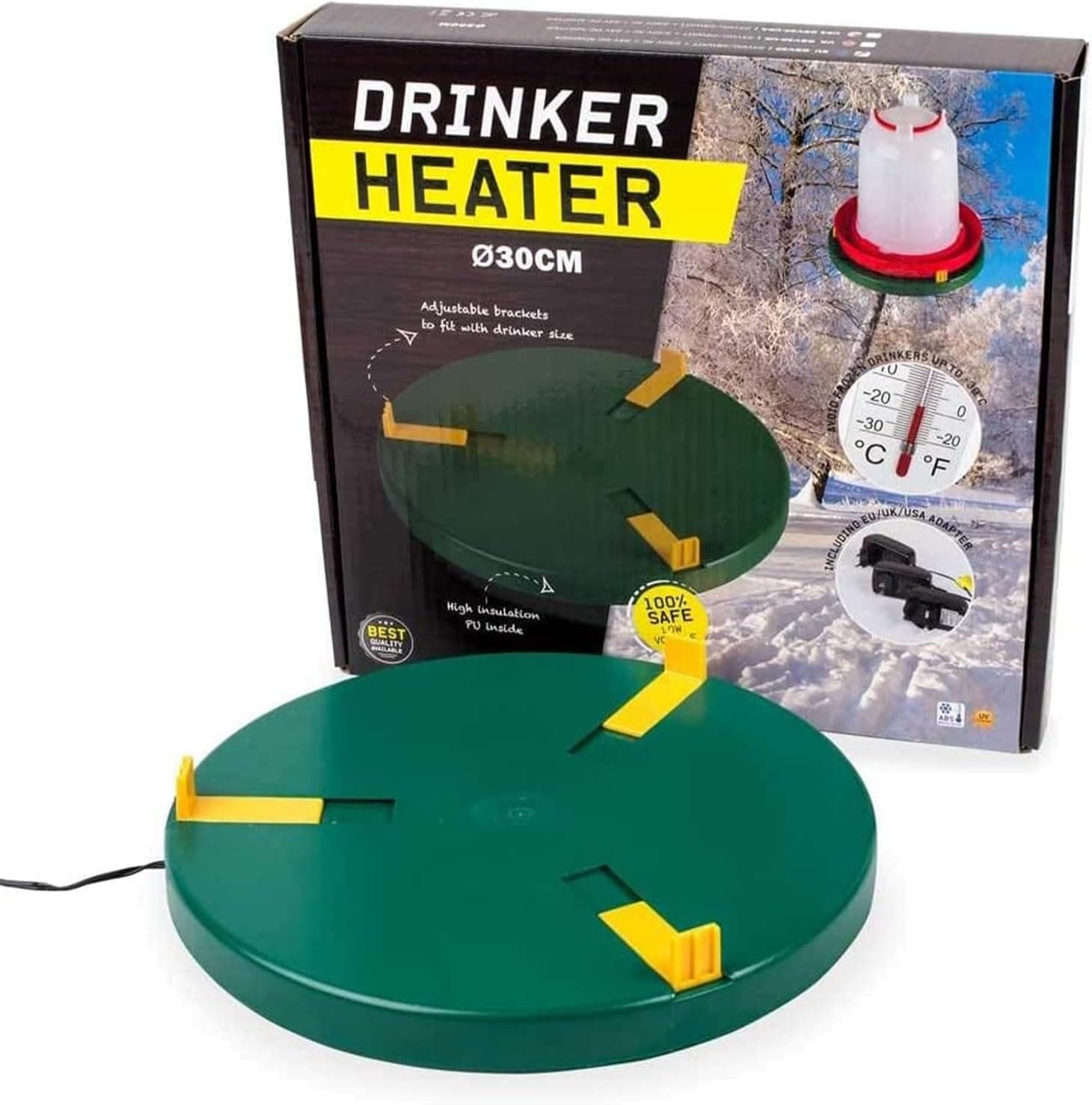
Water is the daily battle. Hens drink a lot, and a bird without liquid water for even part of a day will eat less, lose condition and stop laying. Options include heated waterer bases, submersible de-icers rated for poultry use, insulated waterer covers, black rubber bowls set in the sun, or simply swapping two containers several times a day. If you use any electrical device in a coop, use outdoor-rated cords, protect them from pecking, and check the setup regularly, because coop fires are a genuine risk. Keep the waterer positioned so splashes do not soak the bedding.
Feed needs adjusting only modestly. Birds burn more calories staying warm, so expect consumption to rise, and make sure a complete ration is always available. A handful of scratch grain in the late afternoon gives the flock something to digest overnight, which generates a little internal heat, but scratch is a treat rather than a balanced food, so keep it to a small proportion of intake. Continue offering free-choice calcium such as oyster shell for laying hens. If snow covers the ground, provide grit, since birds cannot pick up their own.
Frostbite prevention comes down to dry air, dry combs and good roosts. Use a flat perch, commonly a two-by-four with the wide side up, so hens can settle down over their toes and cover them with breast feathers. Keep bedding deep, dry and turned. Watch large single combs and wattles on roosters and Mediterranean breeds especially, and watch for wattles getting dunked in the water. If you see pale, white or blackened tissue, do not rub or attempt home treatment; contact a poultry veterinarian or your regional extension service for guidance.
Resist the urge to heat the coop. Supplemental heat stops birds acclimatising, creates a dangerous temperature shock if the power fails, and is the leading cause of coop fires. Healthy adult birds in a dry coop do not need it. The exceptions are very young birds, sick birds, or extreme conditions well outside the local norm, and even then the safest options are radiant panels designed for the purpose, mounted securely and away from bedding.
Finally, deal with boredom and daylight. Many hens refuse to walk on snow, so throwing straw or wood shavings over a cleared patch, or tarping one side of the run, gets them moving. Hang a cabbage, scatter scratch in the bedding and give them somewhere out of the wind to stand. Egg production naturally drops as daylight shortens, and that rest is good for the birds. Some keepers add artificial light on a timer to maintain output; if you do, add it in the morning rather than cutting it abruptly at night, and accept that giving hens a natural break is a perfectly reasonable choice.
Products from this article
The highest-scoring picks from the buying guides mentioned above. Scores are our editorial assessment, not customer ratings.
+ Flat-panel design avoids the fire risk of hot heat lamp bulbs
From our guide: Best Winter Coop Insulation and Cold-Weather Kit
+ 11 lbs bag fills a proper dust bath for a whole flock
From our guide: Best Dust Bath Supplies for Happy, Clean Chickens
+ 28W draw is very low, which keeps winter running costs modest
From our guide: Best Heated Chicken Waterers for Winter
+ R8 rating gives a meaningful warmth boost in cold climates
From our guide: Best Winter Coop Insulation and Cold-Weather Kit


Popular right now
- Best Poop Trays for Under RoostsBuying guide
- How Much Space Chickens Need in the Coop and RunArticle
- Free Ranging Chickens SafelyArticle
- Composting Chicken Manure SafelyArticle
- Best Nesting Pads for Nest BoxesBuying guide
- The Deep Litter Method ExplainedArticle
Based on the last 28 days of search and visitor data.