Chicken Coop Insulation 48" x 10' Double Bubble White Reflective Foil, 40 SQFT R8 Review (2026)
Updated September 20, 2026 · Research-based review
Our verdict
This reflective foil roll suits a keeper lining coop walls or a roof for extra winter warmth in a small to mid size coop, covering about 40 square feet at an R8 rating. The white reflective face brightens the interior, though hens will peck at any exposed bubble layer, so it needs to be covered rather than left bare on interior walls.
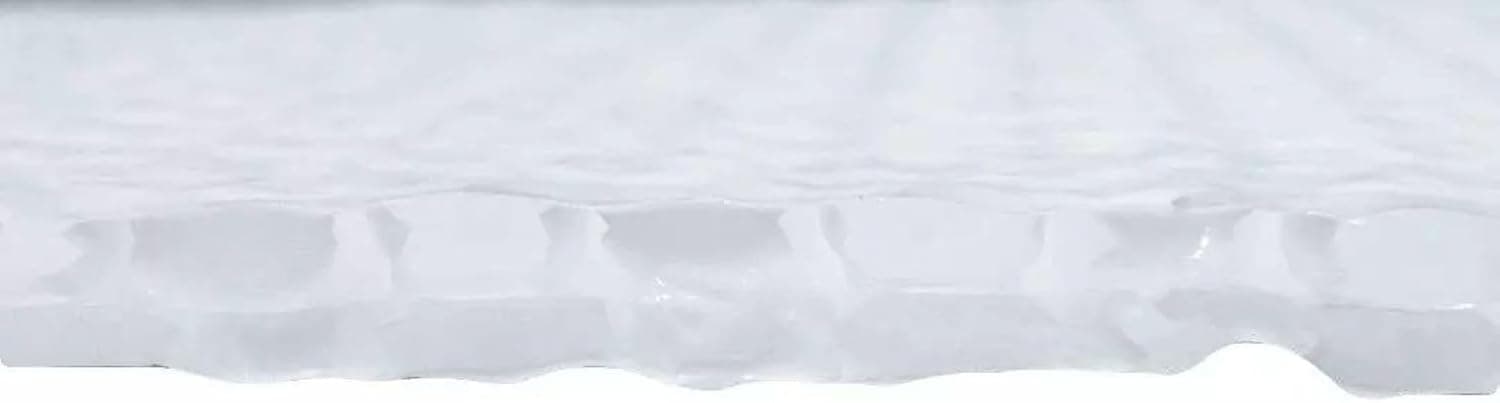
A 48 x 10 ft roll of double bubble white reflective foil insulation, 40 SQFT at R8, for lining coop walls.
Price range: $ (Budget)
What we liked
- + R8 rating gives a meaningful warmth boost in cold climates
- + White face brightens the coop interior compared with bare foil
- + Double bubble layer cuts drafts and radiant heat loss
Trade-offs
- - Hens will peck exposed bubble wrap, so cover it with boards
- - 40 SQFT covers only a small coop without buying more
Coverage and roll size
This roll measures 48 inches wide by 10 feet long, covering about 40 square feet in a single piece, enough to line the walls or ceiling of a small coop or supplement insulation in specific cold spots of a larger one. Because the roll comes in one continuous length, a builder can run it up a wall and across a ceiling section without needing to piece together several shorter cuts, which keeps seams to a minimum and reduces gaps where cold air can sneak through. Anyone insulating a coop larger than about 40 square feet of wall and ceiling area combined should plan on buying more than one roll or choosing a longer roll size to fully cover the structure without stretching a single roll too thin.
R8 rating and what it means for a coop
An R8 rating places this insulation in a useful range for a small outbuilding like a coop, meaningfully reducing heat loss through walls and roof compared with bare wood siding, though it will not match the R value of thick fiberglass batting in a house wall. For most backyard coops, especially in climates with cold but not extreme winters, this level of insulation combined with proper ventilation is enough to noticeably reduce drafts and temperature swings without trapping so much moisture that ammonia and humidity become a problem. Coops in very harsh winter climates may want to combine this product with additional strategies like a deep litter method or supplemental heat rather than relying on foil insulation alone.
Reflective foil and double bubble construction
The double bubble layer sandwiches two rows of air pockets between reflective foil facings, a design that works by reflecting radiant heat back into the coop in winter and blocking radiant heat gain in summer, in addition to the light insulating value of the trapped air itself. The listing states 96 percent reflectivity and a 0.04 emissivity rating along with a full vapor barrier, properties that help control moisture buildup inside coop walls as well as temperature. A white facing on one side, rather than plain silver foil on both sides, also brightens the interior of the coop noticeably compared with a bare wood or foil finish, which can make daily chores easier in a dim coop interior.
Installation and covering the bubble layer
Because hens are naturally curious and will peck at anything textured or reflective within reach, any exposed section of the bubble foil on the interior of a coop needs to be covered with plywood, hardboard, or another solid panel rather than left bare on walls hens can access. This adds a materials and labor step beyond simply stapling up the insulation, but it protects both the insulation from damage and the birds from ingesting foil or plastic fragments. Fastening the foil with wide-cap staples or furring strips before covering it helps keep the material taut and prevents sagging, which would otherwise reduce the trapped air layer's effectiveness over time.
Best use in a coop building project
This insulation works best as part of a planned build or retrofit where the coop walls are opened up or being built from scratch, since running it behind finished interior paneling is far easier during construction than trying to retrofit it into a fully finished coop. Keepers should measure their coop's total wall and ceiling area before buying to confirm how many rolls the project actually needs, since underestimating coverage is a common reason insulation projects end up with gaps at the edges or corners. Pairing this foil insulation with good ventilation, rather than sealing a coop completely airtight, remains important, since trapped humidity from birds themselves can cause more problems in a coop than any amount of missing insulation.
Frequently asked questions
How much area does one roll cover?
Each roll covers about 40 square feet, enough for a small coop's walls or a section of a larger one.
Is R8 enough insulation for a chicken coop?
R8 is a useful level for a backyard coop and noticeably reduces drafts and temperature swings, though very cold climates may need it paired with additional heat or deep litter bedding.
Do hens peck at the exposed foil?
Yes, hens will peck at any exposed bubble insulation, so interior sections need to be covered with plywood or another solid panel.
Does this insulation help in summer too?
Yes, the reflective foil blocks radiant heat gain in summer as well as retaining warmth in winter, based on its stated reflectivity and emissivity ratings.
Prices change often, so check the current price and availability on Amazon.
Check price on AmazonChicken Coop Nest may earn a commission from the link above.