Sand vs Shavings
Published How we research
Bedding is one of those choices where keepers hold strong opinions and both sides are partly right. Sand and pine shavings work in different ways, suit different climates and demand different routines. Rather than looking for a single best answer, it is more useful to understand what each material actually does and match it to your coop, your weather and how much time you want to spend.
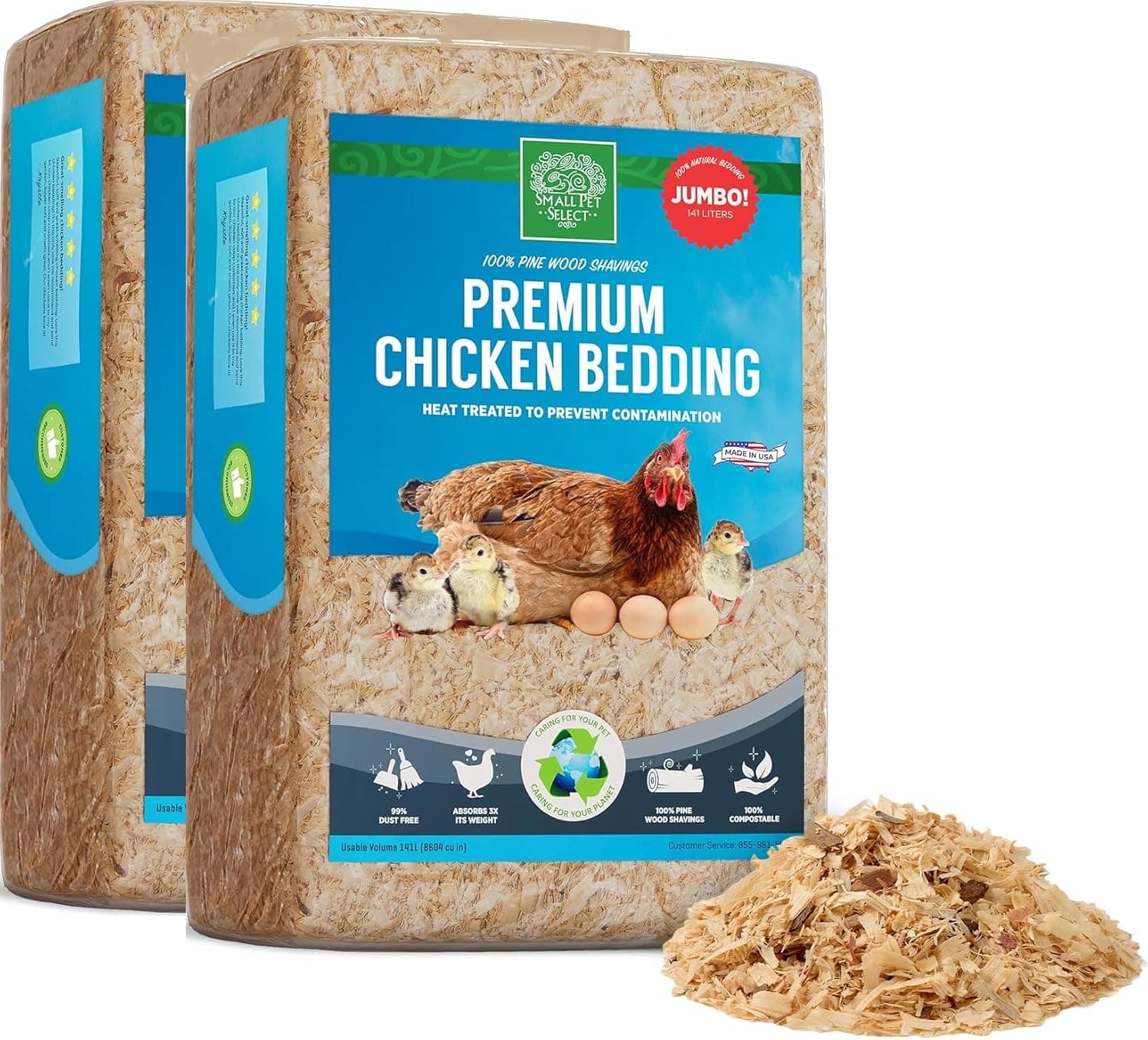
Pine shavings are the default for good reason. Large-flake kiln-dried pine is highly absorbent, light to carry, cheap, widely available and soft underfoot. It works with the deep litter method, so it can compost in place and produce garden material. It insulates the floor, which is useful in cold climates. The downsides are that it needs regular topping up, it holds moisture until it is saturated and then goes sour quickly, and it can be dusty, particularly the fine-flake grades. Avoid cedar shavings entirely, since the aromatic oils are irritating to poultry airways, and choose large flake over fine for less dust.
Sand takes the opposite approach: instead of absorbing moisture, it drains and dries. Droppings sit on the surface, dry out and can be sifted off daily with a scoop or a modified rake, much like a cat litter tray. Keepers who like sand praise how quickly it cleans, how little it smells when maintained, how it doubles as a dust bathing medium and how it discourages some parasites by staying dry. It works particularly well in hot, dry climates and in covered runs.
Sand has real caveats though. It only works if you use the right kind. Fine play sand is too dusty and packs into a cement-like layer; what you want is coarse washed construction or river sand with mixed particle sizes so it drains. It is extremely heavy, which matters for raised coops and for anyone moving it by bucket. It offers no insulation and gets very cold in winter, and in a damp climate it can hold moisture and freeze into a solid block. It also has to be sifted regularly, because sand that is not cleaned simply concentrates manure. And it does not compost, so you cannot use it in a deep litter system.
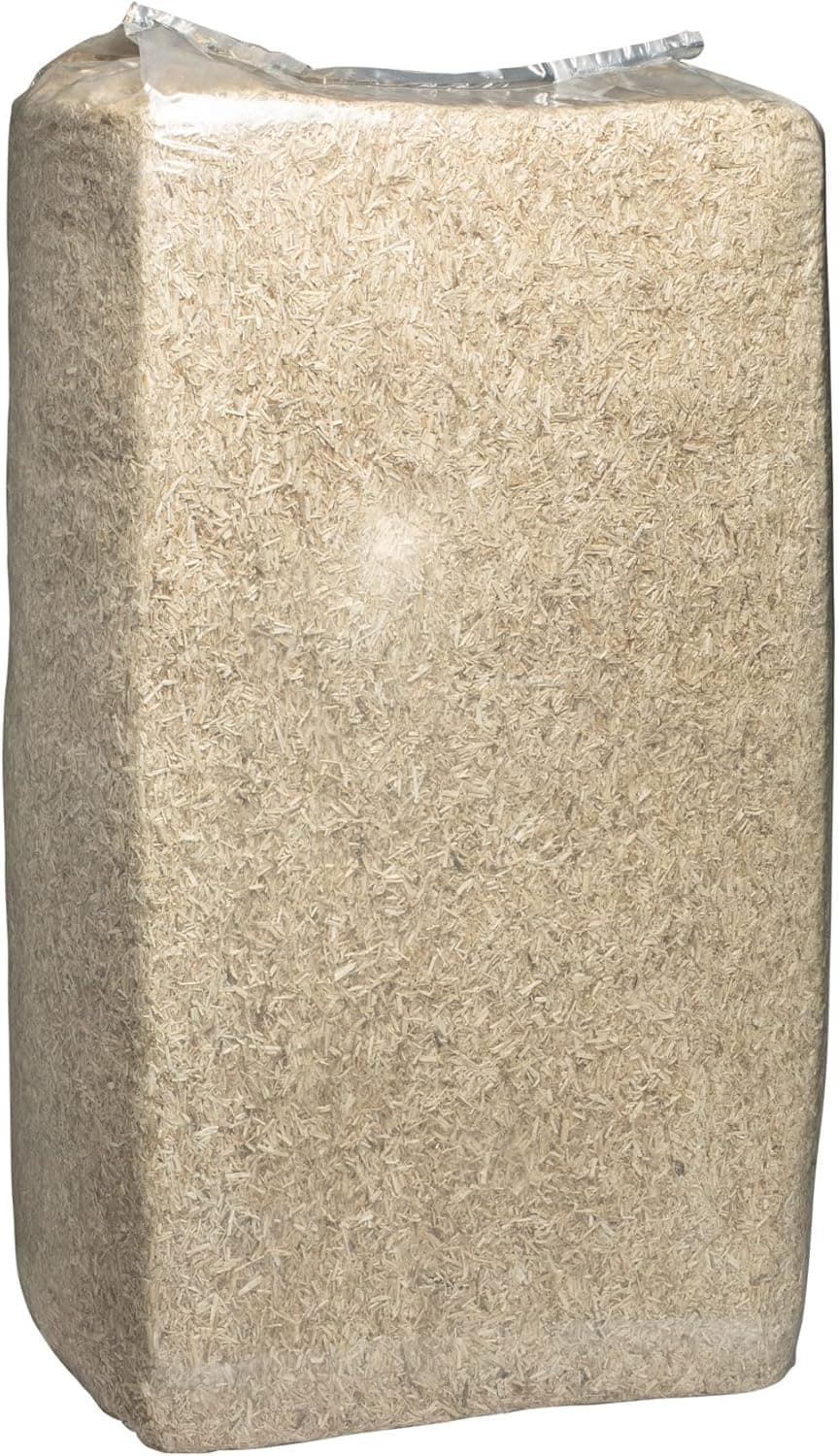
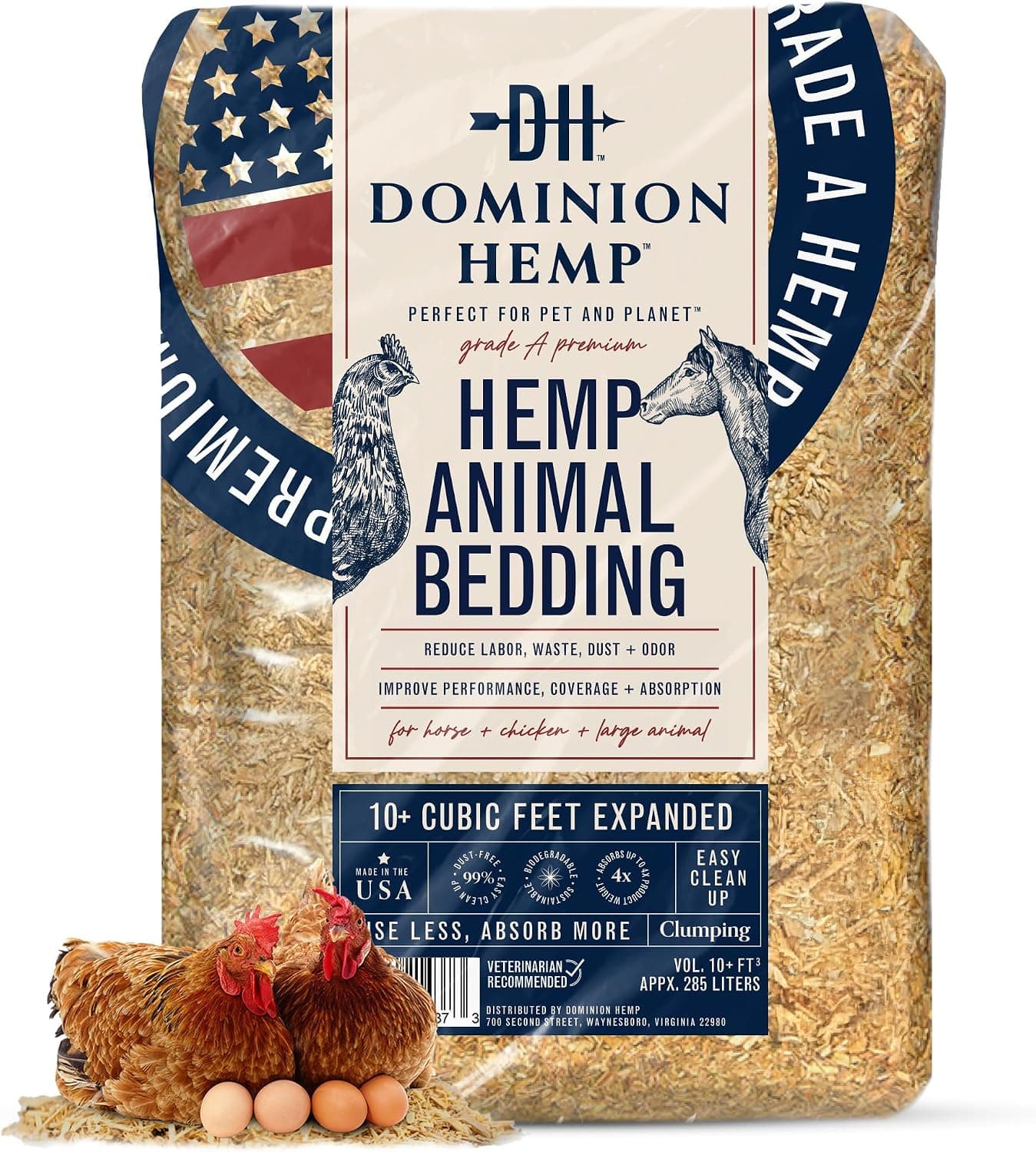
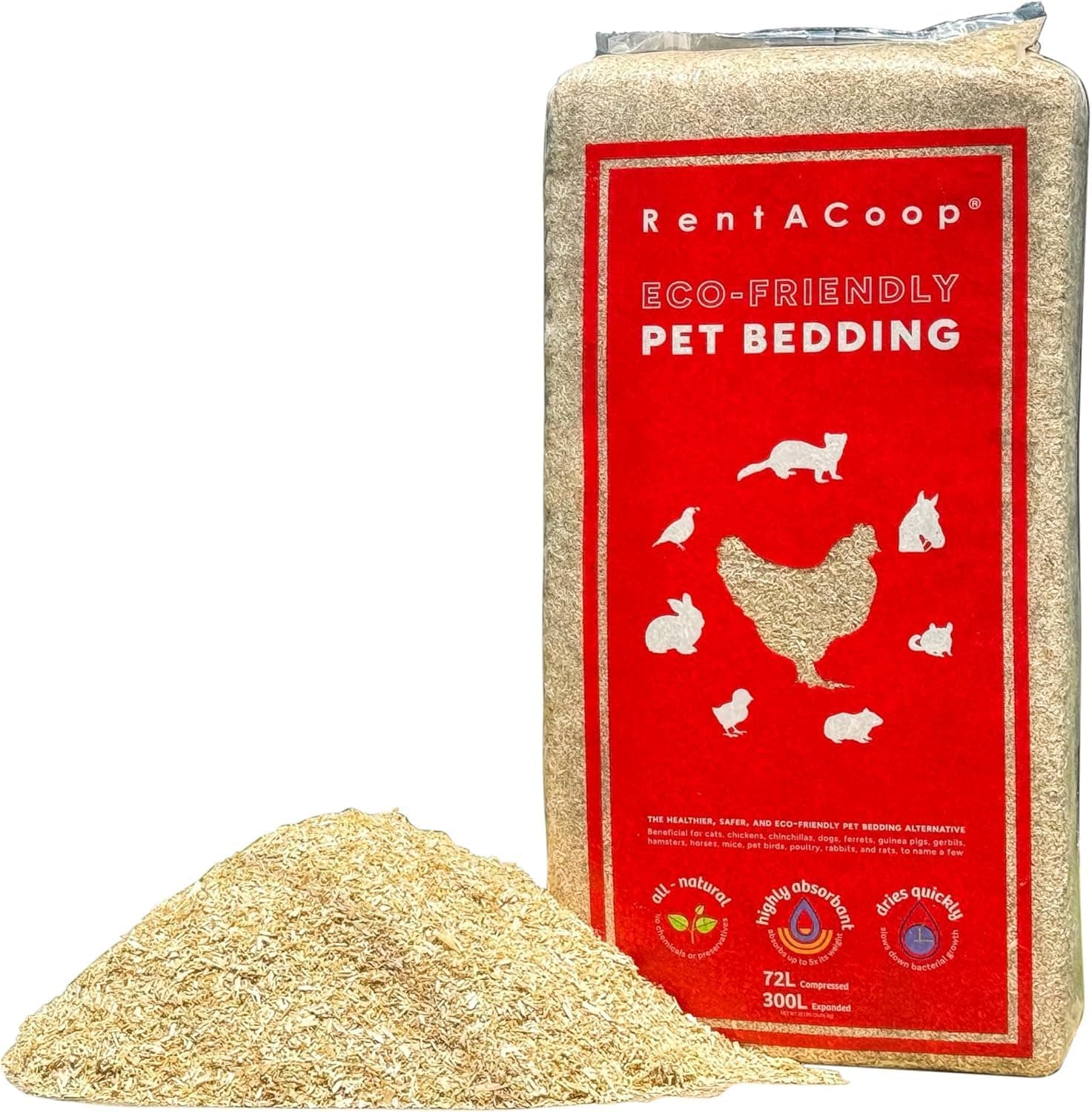
Other materials fill particular niches. Chopped straw is warm and cheap where it is locally available, but it is less absorbent than shavings and mats down, so it needs frequent changing; whole straw is worse than chopped. Hay should be avoided, as it moulds readily. Hemp bedding is highly absorbent, very low dust and long-lasting, which makes it excellent for birds with respiratory sensitivity, but it costs considerably more. Shredded paper or cardboard is cheap and available but breaks down into a soggy mat fast. Dried leaves are free in autumn and make a good additive to a deep litter bed rather than a standalone bedding.
Whatever you use, a few rules hold across all of them. Keep the water source out of the bedding, because a leaking waterer ruins any system. Ventilate high so exhaled moisture leaves the building. Clean under the roosts most often, since that is where most of the manure lands; a droppings board scraped each morning cuts your bedding workload dramatically no matter what is on the floor. Watch dust levels, because chronic dust irritates both bird and human airways. And judge by result rather than theory: bedding that is dry, loose and smells earthy is working, and bedding that is damp, packed or sharp with ammonia is not.
Many experienced keepers end up mixing approaches, using coarse sand in a covered run where drainage matters, shavings or hemp in the coop where absorbency and warmth matter, and straw as an extra winter layer over frozen ground. There is no prize for consistency. Choose per space, watch the litter, and adjust with the seasons.
Products from this article
The highest-scoring picks from the buying guides mentioned above. Scores are our editorial assessment, not customer ratings.
+ 282L total gives plenty of shavings for a coop refresh
From our guide: Best Coop Bedding for Chickens
+ Hemp bedding is a low-dust alternative to pine shavings
From our guide: Best Hemp Bedding for Chicken Coops
+ Brooder-friendly bedding suits newly hatched chicks as stated
From our guide: Best Brooder Bedding for Chicks
+ Super absorbent hemp keeps the coop floor drier between cleanouts
From our guide: Best Coop Bedding for Chickens
Popular right now
- Best Poop Trays for Under RoostsBuying guide
- How Much Space Chickens Need in the Coop and RunArticle
- Free Ranging Chickens SafelyArticle
- Composting Chicken Manure SafelyArticle
- Best Nesting Pads for Nest BoxesBuying guide
- The Deep Litter Method ExplainedArticle
Based on the last 28 days of search and visitor data.