RentACoop Premium Hemp Bedding (300 L) x 1 Pack - U.S. Grown - for Chicken Coop, Nesting Boxes, Rabbits, Hamsters, Small Pets, Horses Review (2026)
Updated September 14, 2026 · Research-based review
Our verdict
RentACoop's 300 liter hemp bag suits keepers who want one bedding for the coop floor, nest boxes, and small pet enclosures with strong moisture and odor control. The main strength is soft, absorbent fiber that supports deep litter use, and the trade-off is a premium price compared with standard pine or straw bedding.
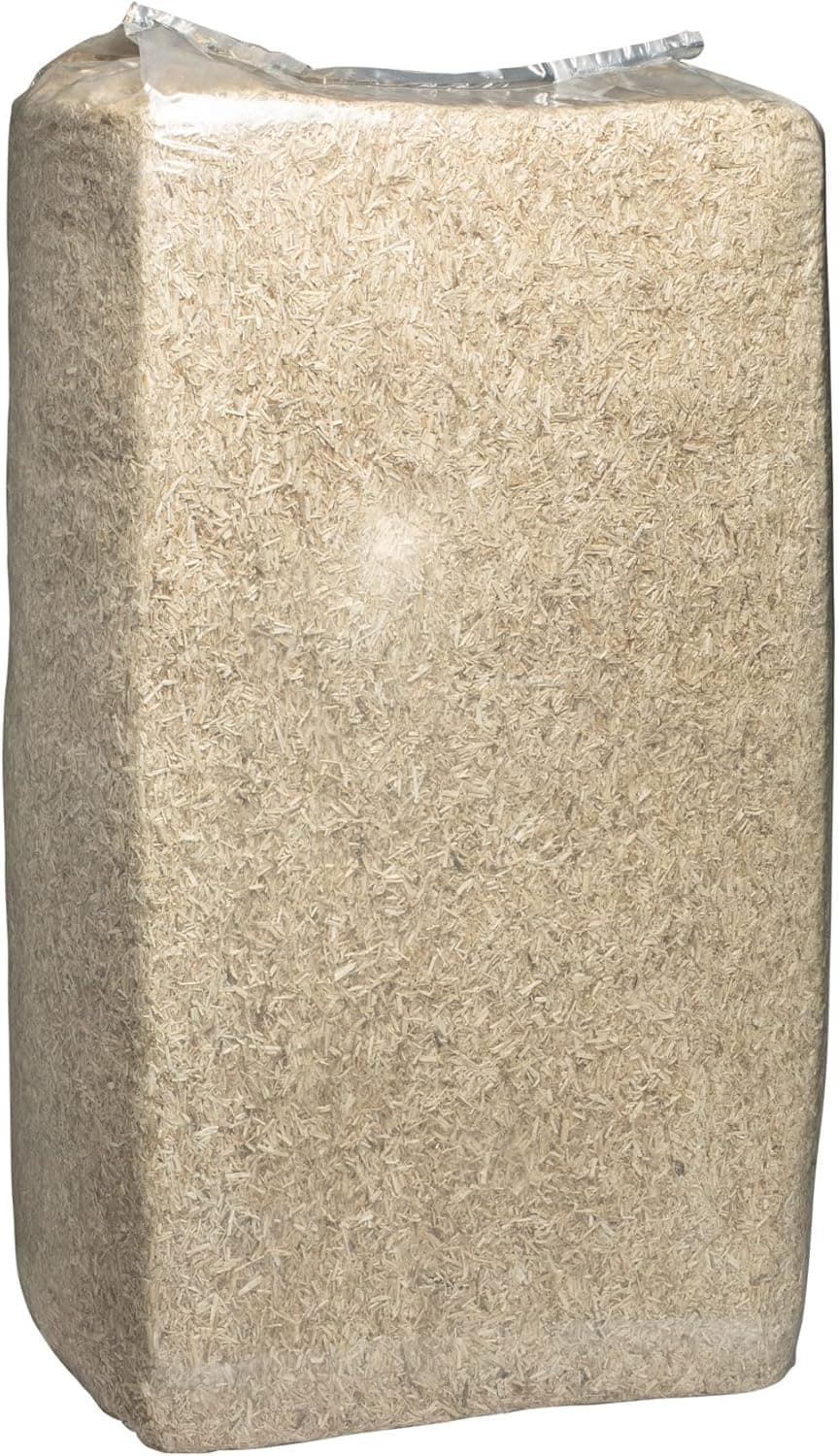
RentACoop Premium hemp bedding, 300 L, U.S. grown, for chicken coops and nesting boxes as well as small pets and horses.
Price range: $ (Budget)
What we liked
- + Hemp bedding is a low-dust alternative to pine shavings
- + 300 L pack covers coops, nest boxes and brooders in one purchase
- + Premium grade hemp absorbs moisture and helps control ammonia smell
Trade-offs
- - Single pack may not last long with a large flock and deep litter
- - Premium pricing is higher than standard pine or straw bedding
Who this hemp bedding is built for
This bag targets keepers who want a single bedding that works across the coop floor, nest boxes, and a brooder, rather than juggling different products for each area. The soft, rounded hemp fibers are marketed as gentle on chick feet as well as on rabbits, guinea pigs, and other small pets, so a household with a mixed set of animals can use one bag across several enclosures. At 300 liters, or roughly 10.6 cubic feet once expanded, the bag is sized to bed a standard coop of moderate size, making it a good fit for a small to mid-size backyard flock rather than a large commercial operation. Keepers who practice the deep litter method, where bedding builds up over time rather than being fully replaced often, are a strong match for this product.
What the hemp fiber and packaging deliver
The bedding is made from natural hemp fiber with no synthetic chemicals or added fragrance, sourced and grown without pesticides. Hemp fiber is prized in coop bedding for its high absorbency and its ability to help control ammonia odor, since it soaks up moisture more effectively than typical wood shavings. The compressed bag expands significantly once opened, covering roughly 60 square feet at a two inch depth, which is enough for a standard coop floor or a run of nest boxes with some left over for topping off later. Because it is fully biodegradable and compostable, spent bedding can go straight into a compost pile rather than the trash, which matters to keepers already composting coop waste.
Living with it day to day
Getting the bag open and fluffing the compressed hemp out to its full volume is the first step, after which it spreads easily across a coop floor or into nest boxes. Many keepers who use the deep litter method report needing to fully clean out the coop only a few times a year, relying instead on spot cleaning and light top-ups to keep the bedding fresh, since the fiber continues absorbing moisture and controlling odor as it builds up. For chick brooders, the same soft fiber texture that suits adult birds also works well underfoot for young chicks, though as with most loose bedding it is worth watching very young chicks closely in the first days to be sure they are not pecking at bedding instead of feed. Spot cleaning with a standard scoop is straightforward, similar to cleaning a stall bedded with hemp or straw.
How it compares with other hemp and odor control options
This bag ranks first of seven in our hemp bedding guide and first of twelve in our coop odor control guide, both with our score of 8.6 out of 10, putting it ahead of a similarly sized Dominion Hemp bag on this list and comparable Carolina Coops hemp bedding. Against those rivals, the differences are mostly in sourcing and fiber texture rather than performance, since all three lean on the same basic hemp hurd absorbency advantage over wood shavings. Compared with zeolite-based odor refreshers or coop sand, hemp bedding does more of the moisture-absorbing work itself rather than needing to be paired with a separate bedding layer, which is convenient but also why it costs more per bag than basic pine shavings or straw. Keepers on a tight bedding budget who do not mind more frequent full cleanouts may find standard pine shavings a cheaper starting point.
Bottom line and who should size differently
For a keeper who wants one soft, absorbent bedding that handles coop floors, nest boxes, and small pet enclosures while supporting the deep litter method, this 300 liter bag earns our score of 9 out of 10 for build and materials and is a strong choice. Anyone running a large flock with heavy deep litter use may find a single pack does not last long and should budget for multiple bags or a larger bulk option. Keepers who are simply trying to minimize bedding cost, and are comfortable cleaning out the coop more often, will likely do better with standard pine shavings or straw rather than paying the premium that comes with hemp fiber.
Frequently asked questions
How much area does one 300 liter bag of hemp bedding cover?
The manufacturer states it covers about 60 square feet at a two inch depth once the compressed bag is fully expanded.
Can this bedding be used with the deep litter method?
Yes, its high absorbency and odor control make it well suited to deep litter use, with some keepers reporting only a few full cleanouts per year.
Is this hemp bedding safe for small pets other than chickens?
It is marketed for use with rabbits, guinea pigs, hamsters, and horses in addition to chickens, thanks to its soft, low dust fiber.
Can used hemp bedding be composted?
Yes, it is sold as fully biodegradable and compostable once it has been removed from the coop.
Prices change often, so check the current price and availability on Amazon.
Check price on AmazonChicken Coop Nest may earn a commission from the link above.