Egg Quality and Shell Problems
Published How we research
Eggs are a daily report on your flock. Shell quality, shape, colour consistency and the appearance of the contents all reflect the hen's nutrition, hydration, age, stress level and health. Most oddities are harmless one-offs, particularly in young pullets who are still calibrating the system, but a persistent pattern in the same bird is worth taking seriously.
Start with the basics of how a shell is made. It takes roughly a day for an egg to travel through the hen's reproductive tract, with the shell laid down in the shell gland over the final many hours, largely overnight. That shell is mostly calcium carbonate, and the hen draws the calcium partly from her diet and partly from reserves in her own bones. This explains why calcium supply, feed intake in the evening and anything that disrupts the overnight period all show up directly in shell quality.
Thin, soft or shell-less eggs are the most common complaint. In an established layer, the first thing to check is calcium: is she on a complete layer ration, and is free-choice oyster shell available in a separate container so each hen can take what she needs? Do not mix calcium into the feed, because birds that are not laying should not be forced to consume it. Vitamin D deficiency, heat stress, dehydration, age and disturbance during the night can all thin shells too. In hot weather, panting alters blood chemistry in ways that reduce shell deposition, which is why thin shells cluster in heat waves. Occasional soft eggs from a brand new pullet or from an old hen are usually just the system starting up or winding down.
Surface texture tells its own story. Chalky or sandy deposits, calcium speckling and rough patches usually reflect an excess or uneven distribution of calcium or a minor timing hiccup. Wrinkled or corrugated shells, sometimes called body-checked eggs, often follow a stress event, a rough patch in the shell gland, or in some cases infection. A single wrinkled egg means little; repeated wrinkled or misshapen eggs from the same hen over weeks suggest something in her reproductive tract needs professional evaluation.
Size and shape variation is mostly normal. Very small eggs with no yolk, sometimes called fairy or wind eggs, happen when a scrap of tissue triggers the shell gland without a yolk present, and are common in new layers. Double-yolked eggs occur when two yolks release close together, most often in young high-producing hens, and they can be oversized enough to be uncomfortable for the bird. Egg colour fades over a laying cycle in dark-egg breeds such as Marans, which is normal, and a sudden loss of colour in a brown-egg layer can accompany stress or illness.
What is inside matters too. A watery white that spreads across the pan usually indicates an older egg, though it can accompany heat or illness. Blood spots and meat spots are harmless bits of tissue, not fertilisation, and are safe to remove. Yolk colour depends almost entirely on diet, with greens and forage producing deeper orange yolks; it says nothing about nutritional adequacy on its own. A genuinely foul smell, an unusual colour or a green or cloudy white means the egg should go in the bin.
Handling and storage affect quality after collection. Collect eggs at least daily so they stay clean, unbroken and cool. Eggs come with a natural protective coating called the bloom, so brush off dirt dry where possible rather than washing; if you must wash, use warm water rather than cold, since cold water can draw material into the pores, and refrigerate washed eggs. Follow your local food safety guidance on storage. Persistent problems deserve a proper opinion. A hen who repeatedly lays shell-less eggs, strains without producing, walks with a penguin-like stance, has a swollen abdomen or seems unwell is a case for a poultry veterinarian or your extension service. Reproductive conditions in hens are common, sometimes serious, and not something to diagnose or medicate at home.
Products from this article
The highest-scoring picks from the buying guides mentioned above. Scores are our editorial assessment, not customer ratings.
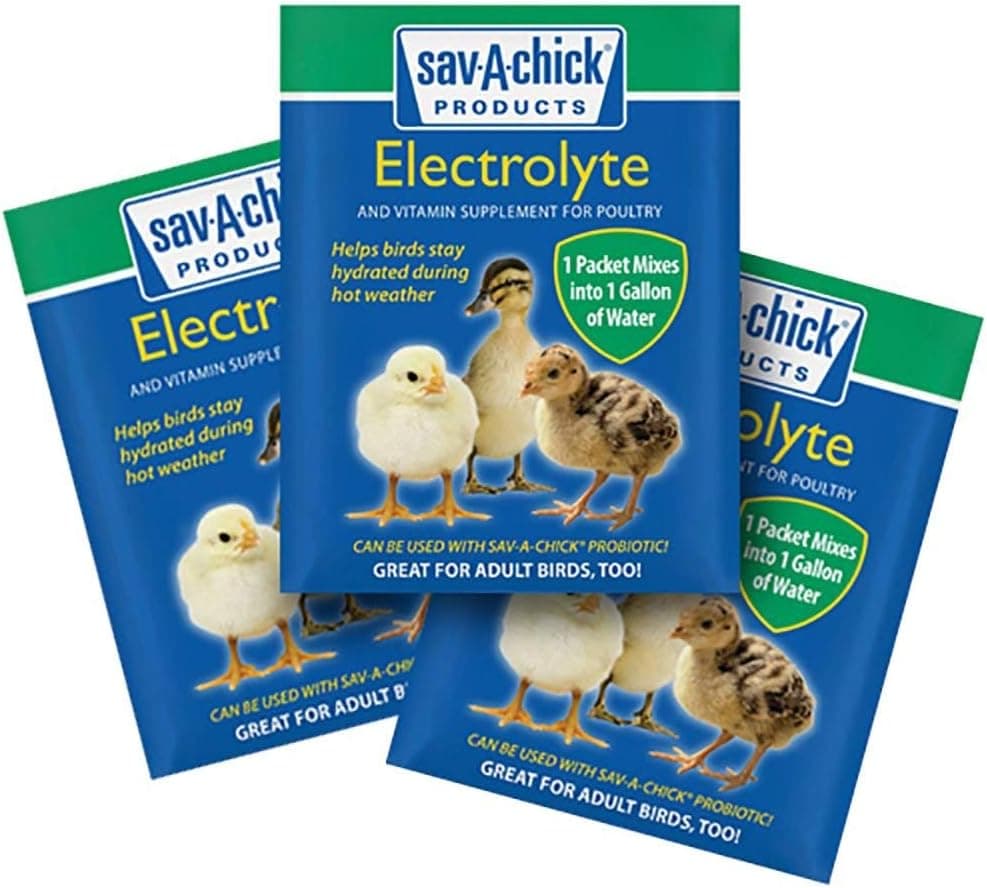
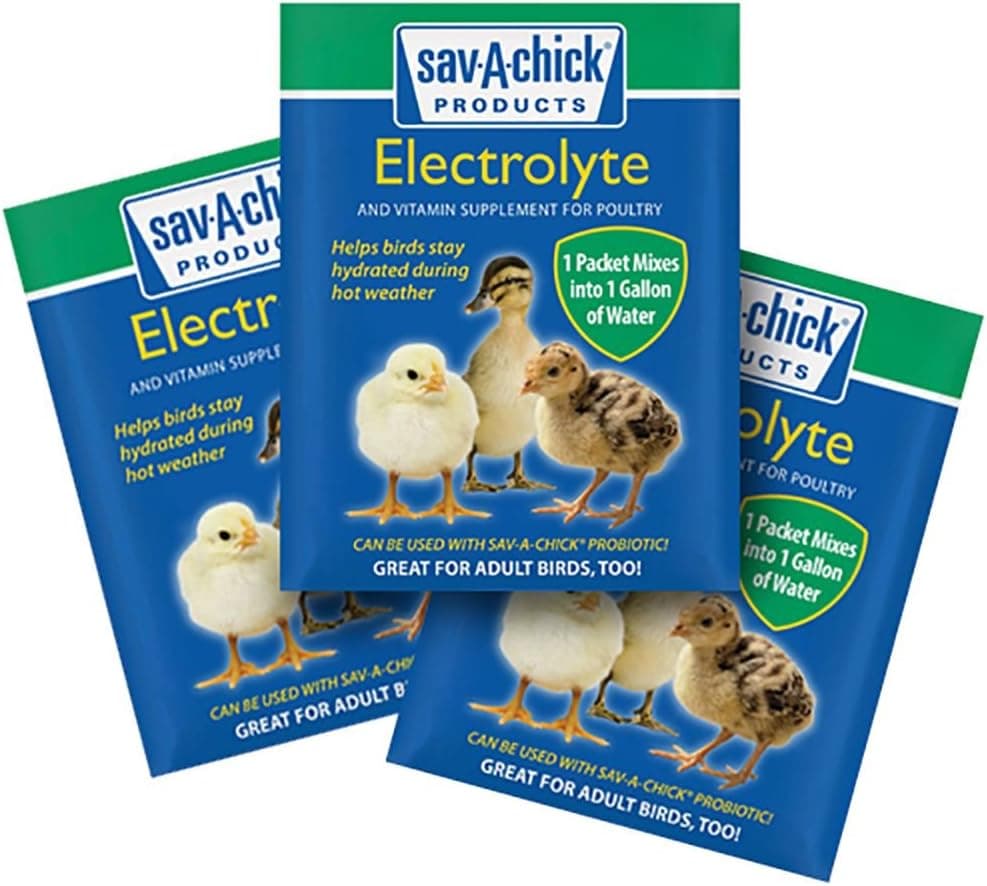
+ 9 Pack keeps enough doses on hand for a whole summer of heat waves
From our guide: Best Electrolytes and Vitamin Supplements for Chickens
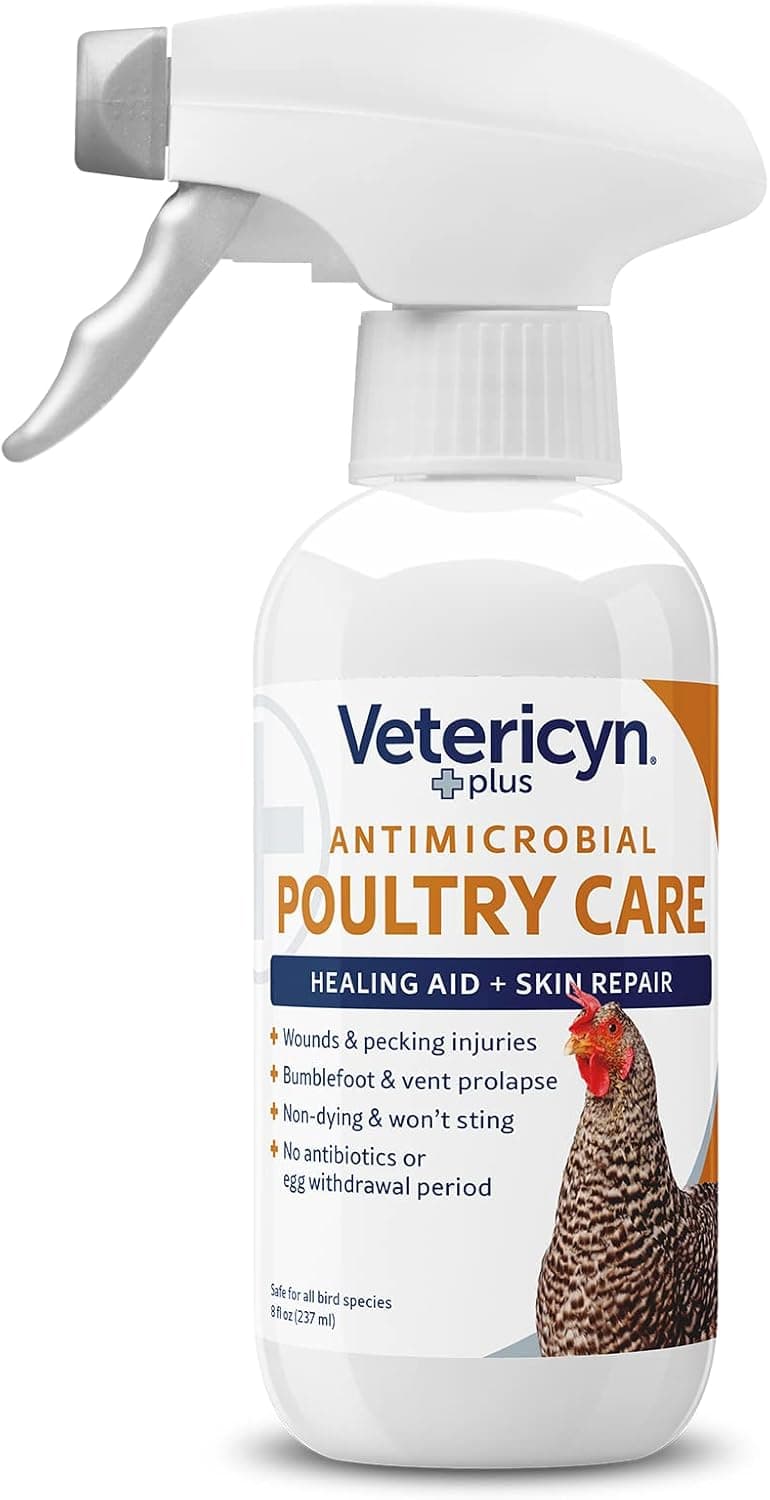
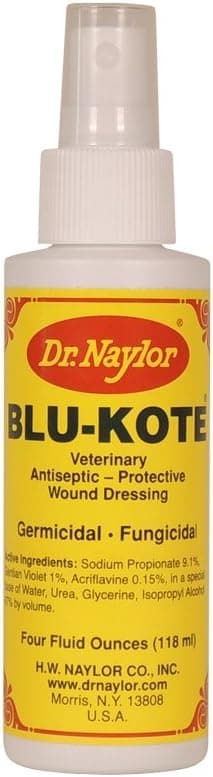
+ Treats pecking wounds, bumblefoot and vent issues in one bottle
From our guide: Best Flock Health Supplies
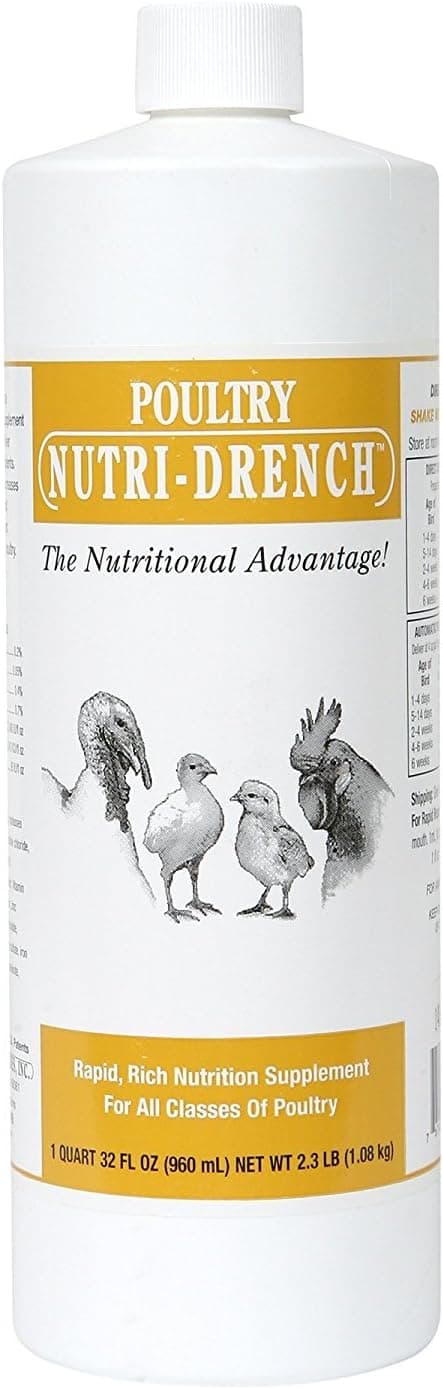
+ Can be given directly by mouth to birds too weak to drink
From our guide: Best Electrolytes and Vitamin Supplements for Chickens
+ Blue dye masks red wounds, which helps stop other hens pecking
From our guide: Best Poultry First Aid Supplies for a Coop Kit
Popular right now
- Best Poop Trays for Under RoostsBuying guide
- How Much Space Chickens Need in the Coop and RunArticle
- Free Ranging Chickens SafelyArticle
- Composting Chicken Manure SafelyArticle
- Best Nesting Pads for Nest BoxesBuying guide
- The Deep Litter Method ExplainedArticle
Based on the last 28 days of search and visitor data.