Choosing Chicken Breeds for Cold Climates
Published How we research

Chickens are far better equipped for cold than most people assume. A healthy adult hen wears a dense layer of down under her feathers and can tuck her head and feet into it, so ambient cold is rarely the problem. What causes winter losses and injuries is the combination of moisture, wind and exposed extremities. Breed choice is one lever for managing that, and housing is the other; neither works well without the other.
The single most useful trait is comb type. Large upright single combs are thin, poorly insulated and full of blood vessels, which makes them the first tissue to freeze. Breeds with small combs handle hard winters much better. Rose combs, pea combs, cushion combs and walnut combs all sit low and compact against the head. Wyandottes, Buckeyes, Chanteclers, Dominiques, Ameraucanas and rose-comb Leghorns all benefit from this. Wattles matter for the same reason, and a bird with small tight wattles is less likely to dip them in the waterer and end up with frozen tissue.
Body mass and feathering come next. Larger, heavier breeds hold heat better simply because they have less surface area relative to their volume, and dense loose feathering traps more air. Orpingtons, Brahmas, Cochins, Australorps, Plymouth Rocks, Sussex and Wyandottes are all popular in cold regions for this reason. Brahmas and Cochins also have feathered legs, which helps against cold but becomes a liability in wet or muddy conditions because caked mud and ice on foot feathering can cause problems. If your winters are wet as well as cold, clean-legged breeds are usually the better bet.
A few breeds were developed specifically for harsh climates and are worth seeking out. The Chantecler was bred in Canada with a tiny cushion comb and minimal wattles. The Buckeye has a pea comb and an active foraging temperament. Icelandic and other landrace chickens are hardy and thrifty. Dominiques and Rhode Island Reds have long histories in cold northern farms. On the other end, avoid or shelter carefully the lightly feathered Mediterranean breeds with big floppy combs, the crested breeds whose head feathers get wet and freeze, and anything very small-bodied.
Genetics only get you part of the way. The coop matters more. Dry air is the priority, which means high ventilation above the roost to let moist air escape, without any draft blowing across the birds at perch level. A sealed coop is a frostbitten coop, because the moisture the birds exhale condenses and settles on combs and bedding. Use a flat roost bar so hens can sit down over their toes rather than gripping a narrow round pole. Keep bedding deep, dry and turned. Keep the waterer where it cannot splash into the litter, and check it several times a day in freezing weather so the flock always has liquid water; dehydration in winter is common and it directly suppresses laying.
Management details add up. Clear a wind-sheltered area outside so birds will actually go out, since many hens refuse to walk on snow. A layer of straw over snow, or a tarp on the windward side of the run, gets them moving. Feed a complete ration and expect consumption to rise in cold weather, since the birds burn calories to stay warm. A modest scratch grain treat in the late afternoon gives them something to digest overnight. Avoid supplemental heat if you can, because it stops birds acclimatising and creates a serious fire risk; if you must use it, choose a fixture designed for the purpose and secure it thoroughly.
Finally, watch the birds. Pale or blackened comb tips, a hen that stops eating, laboured breathing or a bird standing alone and hunched all warrant attention. Frostbite and respiratory illness are for a poultry veterinarian or your regional extension service to assess and treat rather than for home remedies.
Products from this article
The highest-scoring picks from the buying guides mentioned above. Scores are our editorial assessment, not customer ratings.
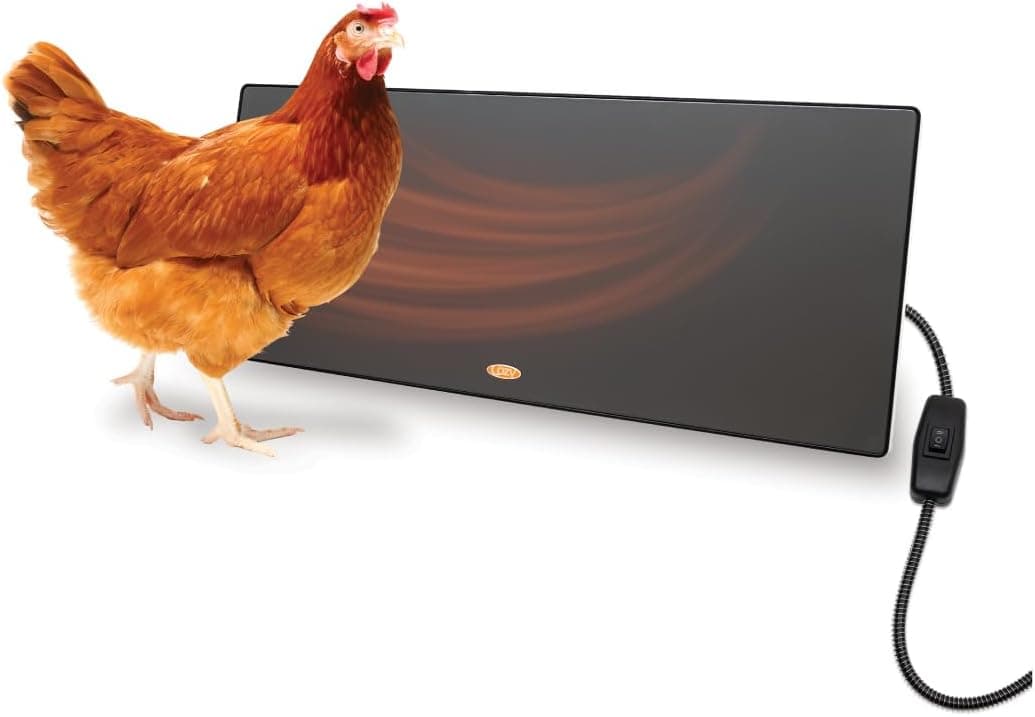
+ Flat-panel design avoids the fire risk of hot heat lamp bulbs
From our guide: Best Winter Coop Insulation and Cold-Weather Kit
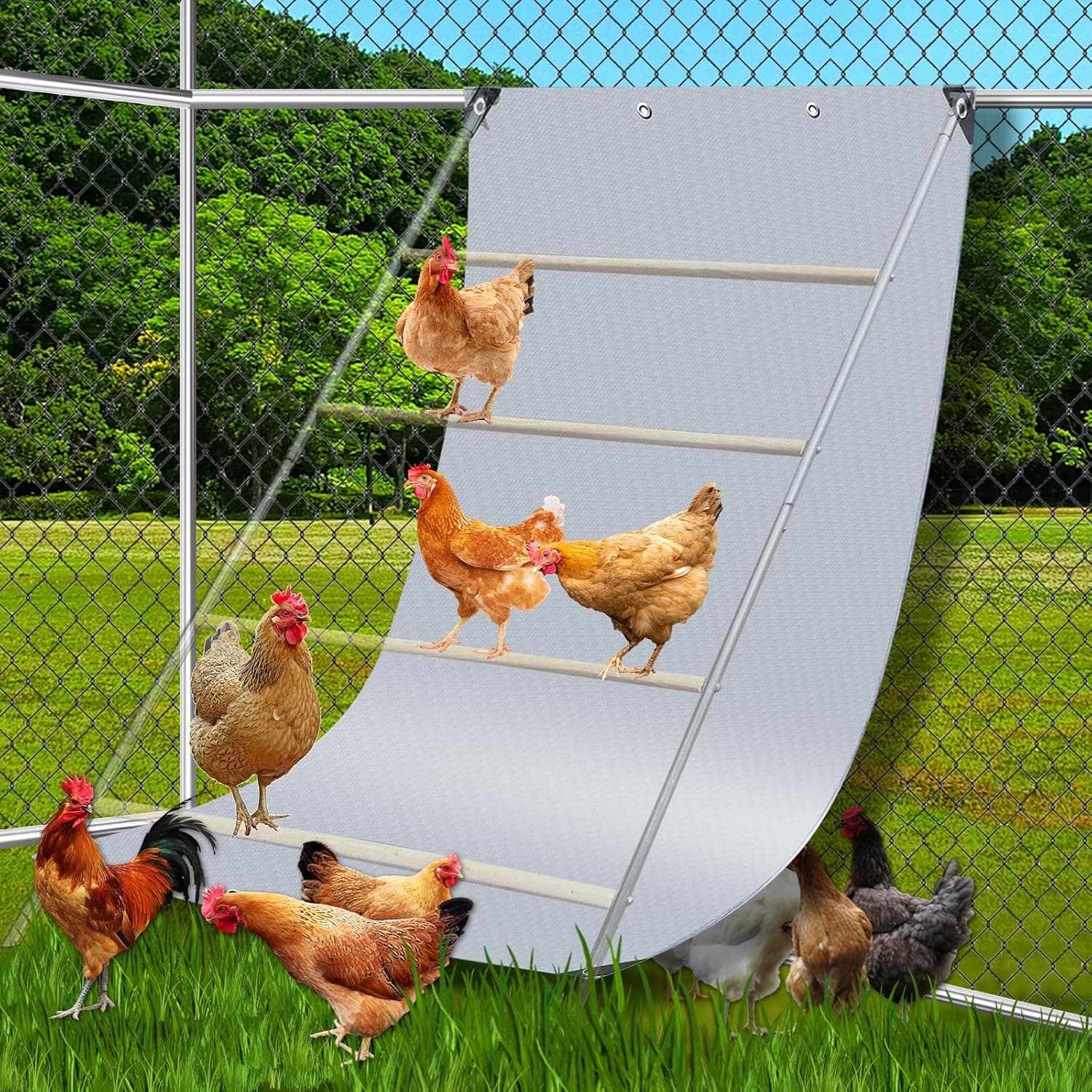
+ Hangs under the roost so overnight droppings stay off the bedding
From our guide: Best Poop Trays for Under Roosts
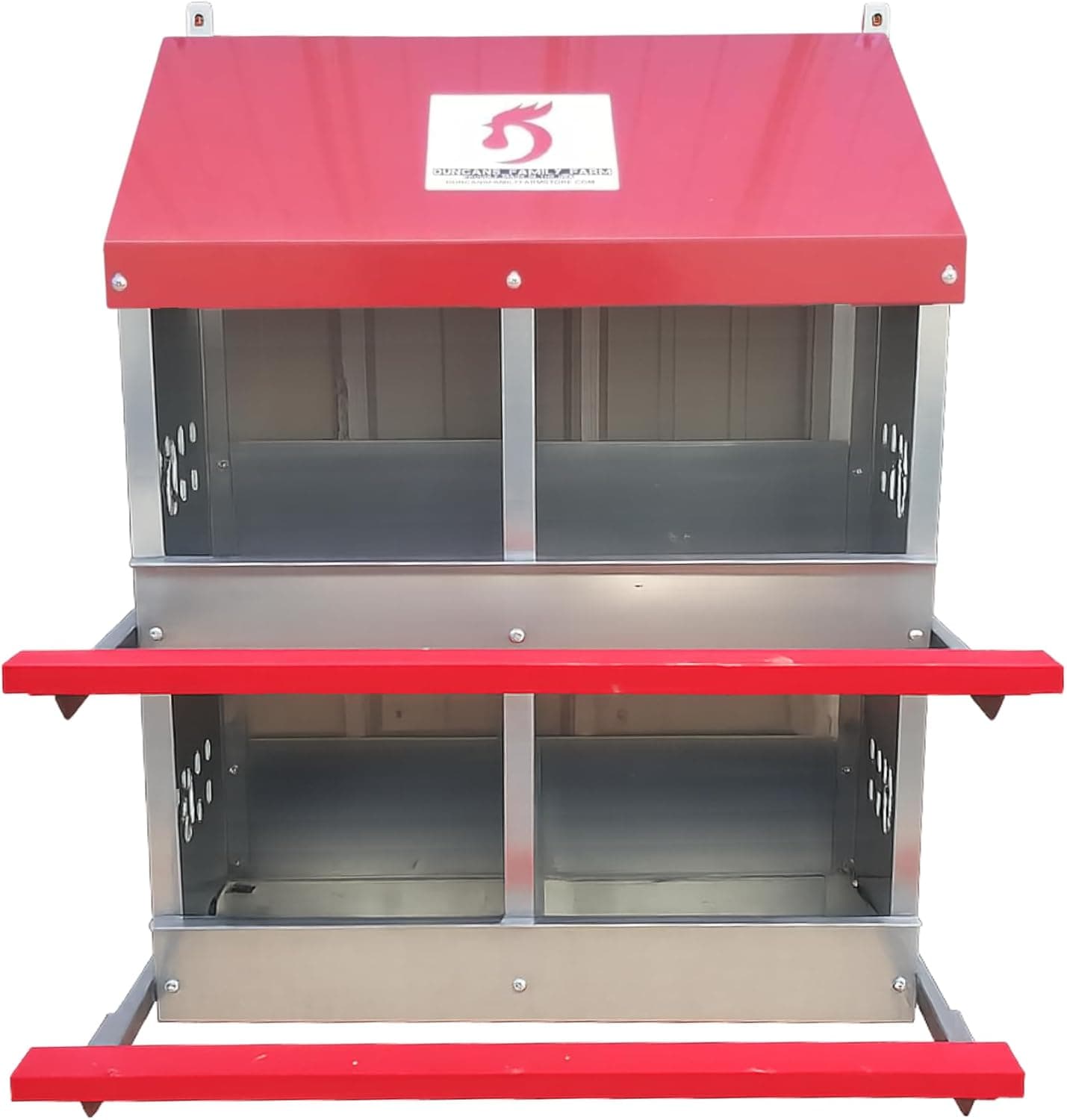
+ American made galvanized steel lasts for many seasons of use
From our guide: Best Nesting Boxes for Chickens
+ R8 rating gives a meaningful warmth boost in cold climates
From our guide: Best Winter Coop Insulation and Cold-Weather Kit
Popular right now
- Best Poop Trays for Under RoostsBuying guide
- How Much Space Chickens Need in the Coop and RunArticle
- Free Ranging Chickens SafelyArticle
- Composting Chicken Manure SafelyArticle
- Best Nesting Pads for Nest BoxesBuying guide
- The Deep Litter Method ExplainedArticle
Based on the last 28 days of search and visitor data.