Chicken Math and Flock Size Planning
Published How we research

Chicken math is the running joke among keepers that no flock ever stays the size it started. You order six chicks, the hatchery adds an extra, a friend rehomes two, a broody hatches five, and by year two you have fifteen birds in a coop built for six. The joke is affectionate but the consequences are real: overcrowding causes feather picking, bullying, damp bedding, ammonia and disease. Planning for the flock you will have, rather than the flock you are ordering, is the single most useful piece of foresight in the hobby.
Start with eggs, since that is usually the reason for the flock. A hen in her first laying year and good conditions produces somewhere in the region of four to six eggs a week during the laying season, less in winter, and nothing at all during a molt or while broody. Averaged across a full year, allowing for seasonal dips, three or four hens comfortably supply a household that eats a dozen eggs a week, and six hens usually produce a surplus. Remember that production declines each year, so a flock sized exactly to your needs today will fall short in two years unless you add birds or accept fewer eggs.
Space is the hard constraint. Standard guidance is roughly three to four square feet of coop floor per standard hen plus eight to ten square feet each in the run, more for heavy breeds and for flocks that are confined much of the time. Add eight to twelve inches of roost bar per bird and one nest box per three to four hens. Do the arithmetic for your actual structure before you buy birds. The most common mistake in backyard keeping is buying a coop advertised for a certain number of chickens without checking the numbers, since those ratings are frequently optimistic.
Build in headroom deliberately. A good rule is to build or buy housing for at least double the number of birds you plan to start with. The cost difference at construction time is modest, while the cost of rebuilding later is not. Extra room also makes everything easier day to day: bedding stays drier, air stays fresher, birds bicker less, and you have somewhere to isolate a sick or injured hen without improvising.
Think in terms of a flock over time rather than a single purchase. Hens live for years past their productive peak, and most keepers are unwilling to cull. A common approach is staggered additions: add a small group of pullets every year or two so laying birds and retirees overlap, which keeps egg supply steady and spreads integration work into manageable chunks. Decide in advance, honestly, what you will do with hens who stop laying and with any cockerels that turn up in a straight-run batch, because both are guaranteed to happen eventually.
Budget and time deserve a line too. The recurring costs are feed, bedding, and occasional veterinary care, and they scale directly with bird numbers. Time does not scale as sharply, since a fifteen-bird flock takes only a little longer to service daily than a six-bird flock, but cleaning, integration and health monitoring all get bigger. Also consider your local limits: many municipalities cap the number of hens, ban roosters or impose setback requirements, and a flock that has quietly doubled is exactly the situation that draws a complaint.
The practical antidote to chicken math is simply to make the decision consciously. Before adding birds, count the current flock, measure the coop and run, work out the space per bird you would end up with, and check it against the guidelines. If the answer is tight, expand the housing first and buy the birds afterwards. Keepers who do this in that order tend to enjoy their flocks for years; those who do it the other way round usually spend a season managing feather picking and wet litter before reaching the same conclusion.
Products from this article
The highest-scoring picks from the buying guides mentioned above. Scores are our editorial assessment, not customer ratings.
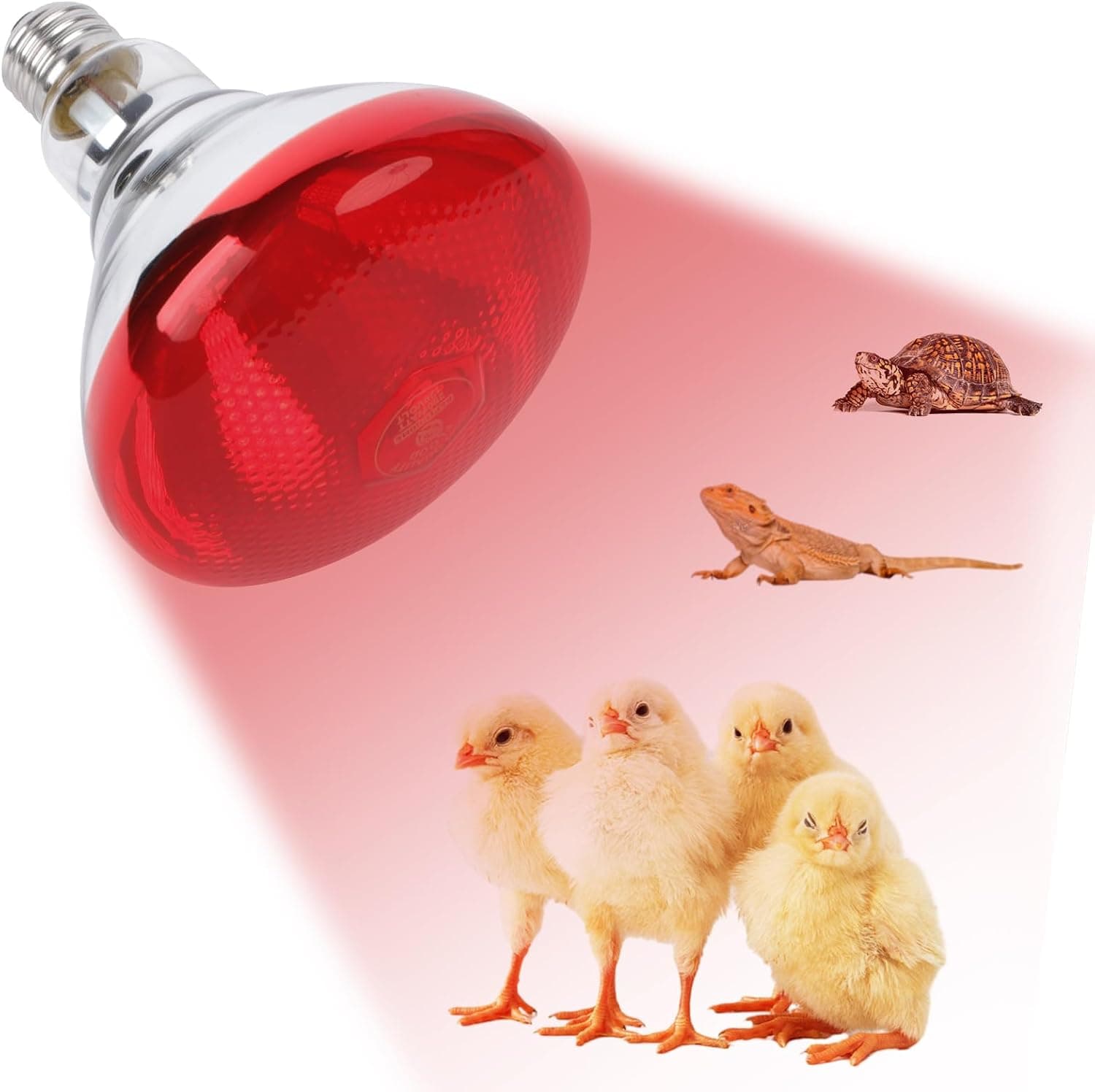
+ 6 Pack means spare bulbs are ready when one burns out mid-brood
From our guide: Best Heat Lamps for Chicks (and Safer Alternatives)
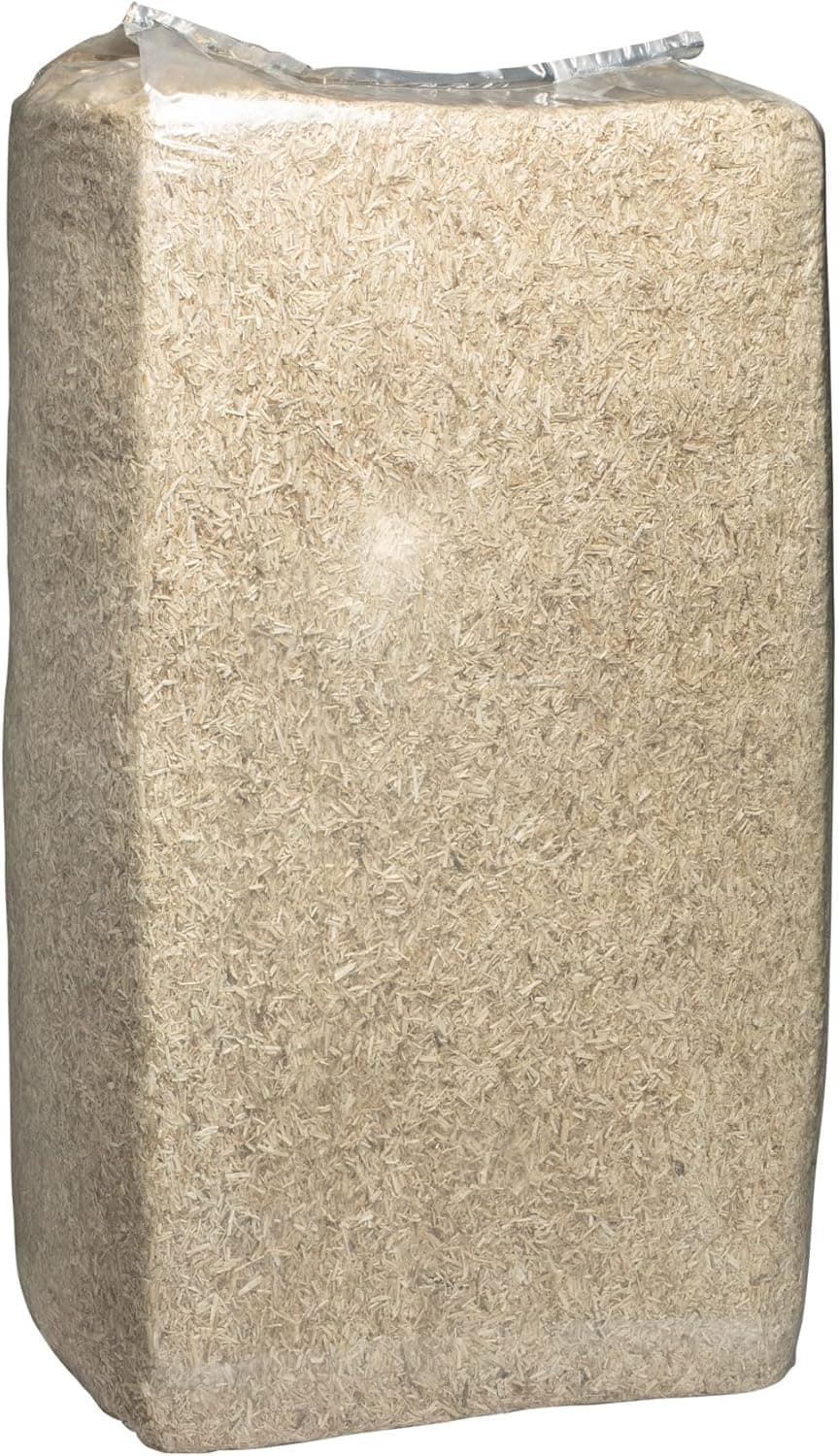
+ Hemp bedding is a low-dust alternative to pine shavings
From our guide: Best Hemp Bedding for Chicken Coops
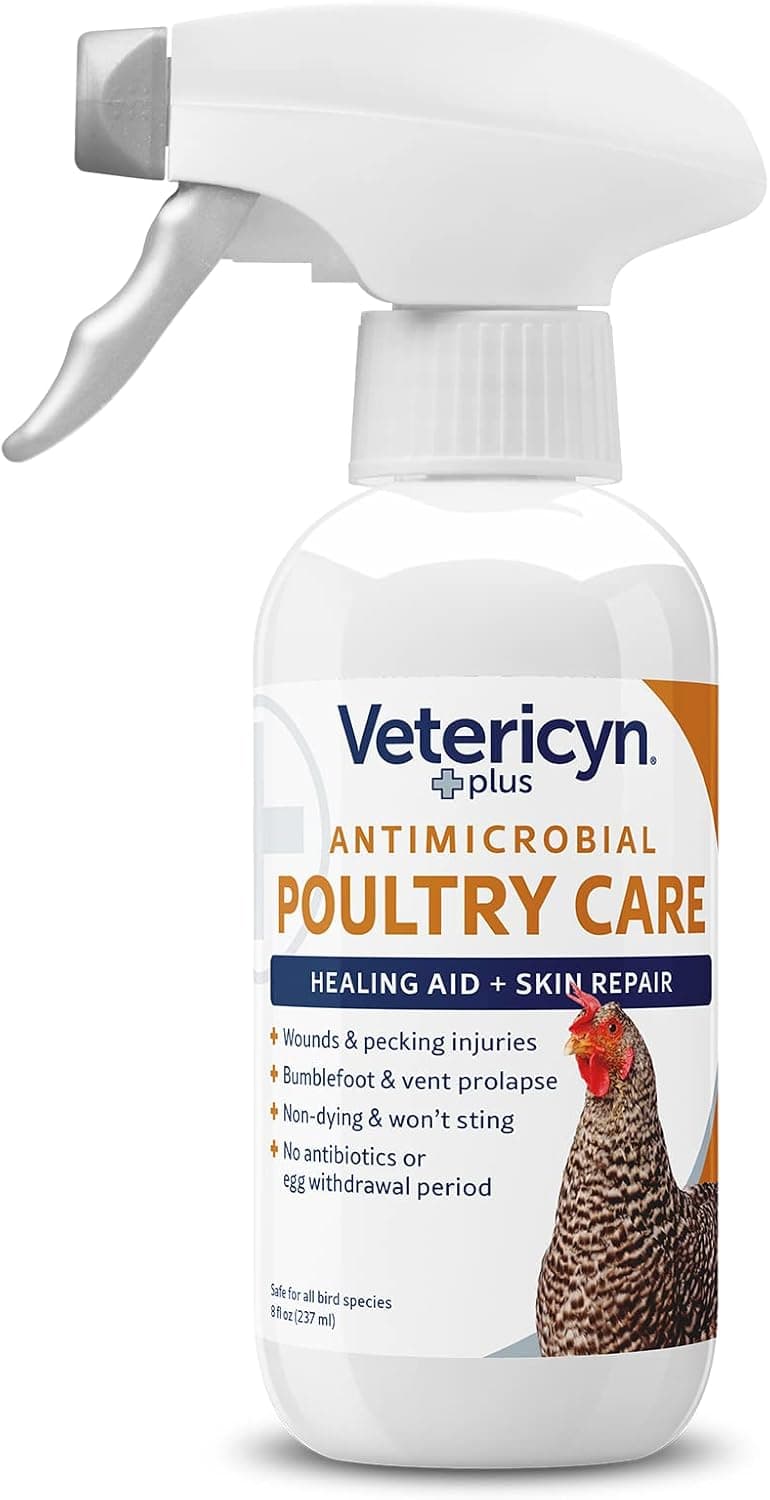
+ Treats pecking wounds, bumblefoot and vent issues in one bottle
From our guide: Best Flock Health Supplies
+ Par38 glass bulbs are generally tougher than thin reflector bulbs
From our guide: Best Heat Lamps for Chicks (and Safer Alternatives)
Popular right now
- Best Poop Trays for Under RoostsBuying guide
- How Much Space Chickens Need in the Coop and RunArticle
- Free Ranging Chickens SafelyArticle
- Composting Chicken Manure SafelyArticle
- Best Nesting Pads for Nest BoxesBuying guide
- The Deep Litter Method ExplainedArticle
Based on the last 28 days of search and visitor data.