Why Hens Stop Laying
Published How we research
A sudden drop in egg production is one of the most common worries in backyard chicken keeping, and it is usually explained by something entirely normal. Working through the possibilities in order, from most to least likely, saves a lot of anxiety and points you at the real cause faster than guessing. Keeping a simple weekly egg count makes the pattern obvious much sooner than memory does.
Daylight is the first thing to consider. Laying is triggered by light hitting photoreceptors in the hen's brain, and production naturally falls as days shorten in autumn and winter. Most hens need roughly fourteen hours of light to lay consistently. This is not a problem to fix so much as a season to expect, and many keepers deliberately let their flock rest over winter. If you choose to supplement with artificial light on a timer, add the extra hours in the early morning so the birds are not plunged into sudden darkness at night.
Moulting is the next likely explanation, and it usually overlaps with the short days. Once a year, typically in autumn, hens shed and regrow their feathers. Feathers are largely protein, and regrowing a full coat is expensive, so laying stops or nearly stops for anywhere from a few weeks to a couple of months. A moulting hen looks ragged, drops feathers everywhere and may be reluctant to be handled because new pin feathers are tender. Supporting her with a higher protein ration during the moult helps her get through it faster.
Age is a slower version of the same story. Pullets typically begin laying between eighteen and twenty-four weeks. Production peaks in the first laying year, then declines by a noticeable margin each subsequent year. A four or five year old hen laying a couple of eggs a week is behaving normally. Commercial hybrids tend to fall off sooner than heritage breeds because they were bred to produce intensively early. If your flock is uniformly ageing, the decline is simply arithmetic.
Broodiness stops an individual hen cold. A broody sits in the nest box almost permanently, puffs up and growls when you approach, plucks her breast feathers and leaves the nest only briefly. She will not lay while broody, and the state can persist for weeks. Some breeds, notably Silkies, Cochins and Orpingtons, go broody readily. If you do not want chicks, the usual approach is to break the broodiness by removing her from the nest repeatedly and housing her somewhere cool, airy and nest-free for a few days.
Stress and management issues cover a wide range of causes. A predator scare, a dog in the garden, a move to a new coop, extreme heat, integration of new birds, overcrowding, bullying or a change in feed can all suppress laying for days or weeks. Nutrition matters too: hens need a complete layer ration with adequate protein and free-choice calcium such as oyster shell, and a diet diluted by too many treats or scratch grain will reduce production. Water is the most overlooked input of all, and even a short period without liquid water knocks laying back noticeably.
Before concluding that a hen has stopped, make sure she is not laying somewhere you have not found. Free-ranging hens are enthusiastic about hidden nests under shrubs, behind sheds and in tall grass. Egg eating by the hens themselves, or theft by rats, snakes, crows, dogs or other animals, also masquerades as a production drop. Confine the flock to the run for a couple of days and see whether the eggs reappear. Finally, illness and parasites can suppress laying, and they usually come with other signs: weight loss, pale combs, lethargy, diarrhoea, laboured breathing, or a hen sitting hunched and separate from the flock. Internal or external parasite loads and reproductive disorders are real possibilities. These are matters for a poultry veterinarian or your regional agricultural extension service to diagnose, rather than for guesswork or over-the-counter medication chosen at random.
Products from this article
The highest-scoring picks from the buying guides mentioned above. Scores are our editorial assessment, not customer ratings.
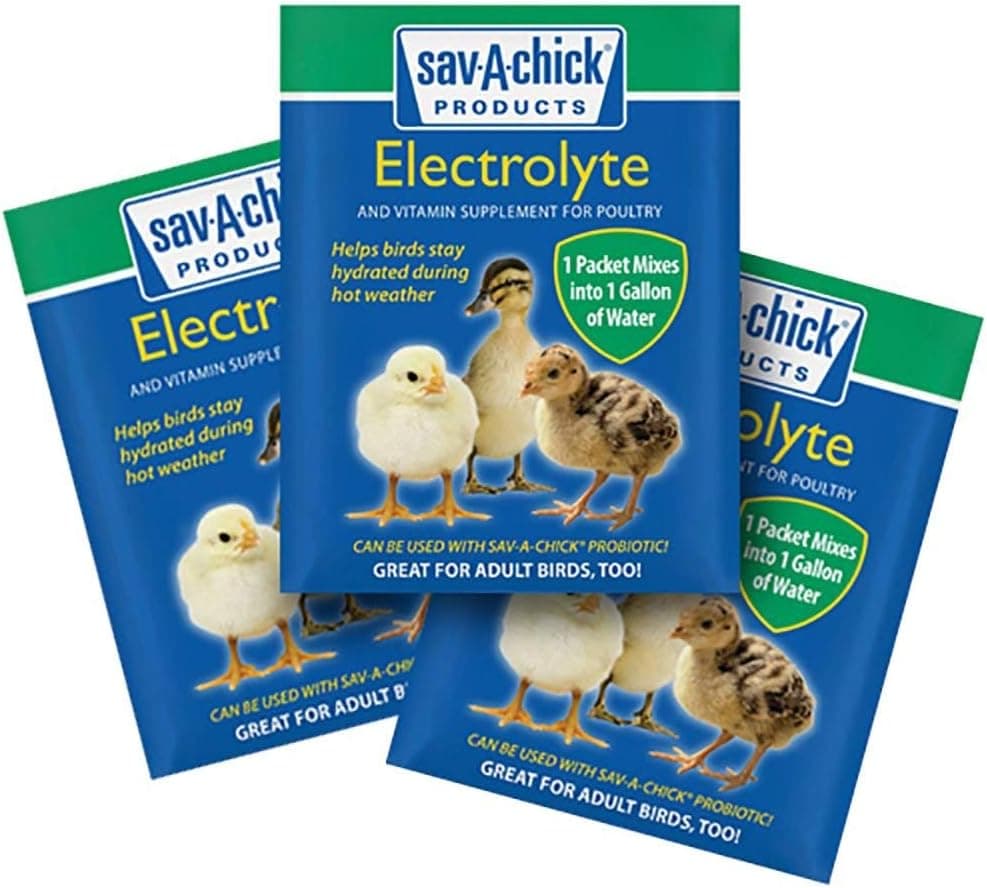
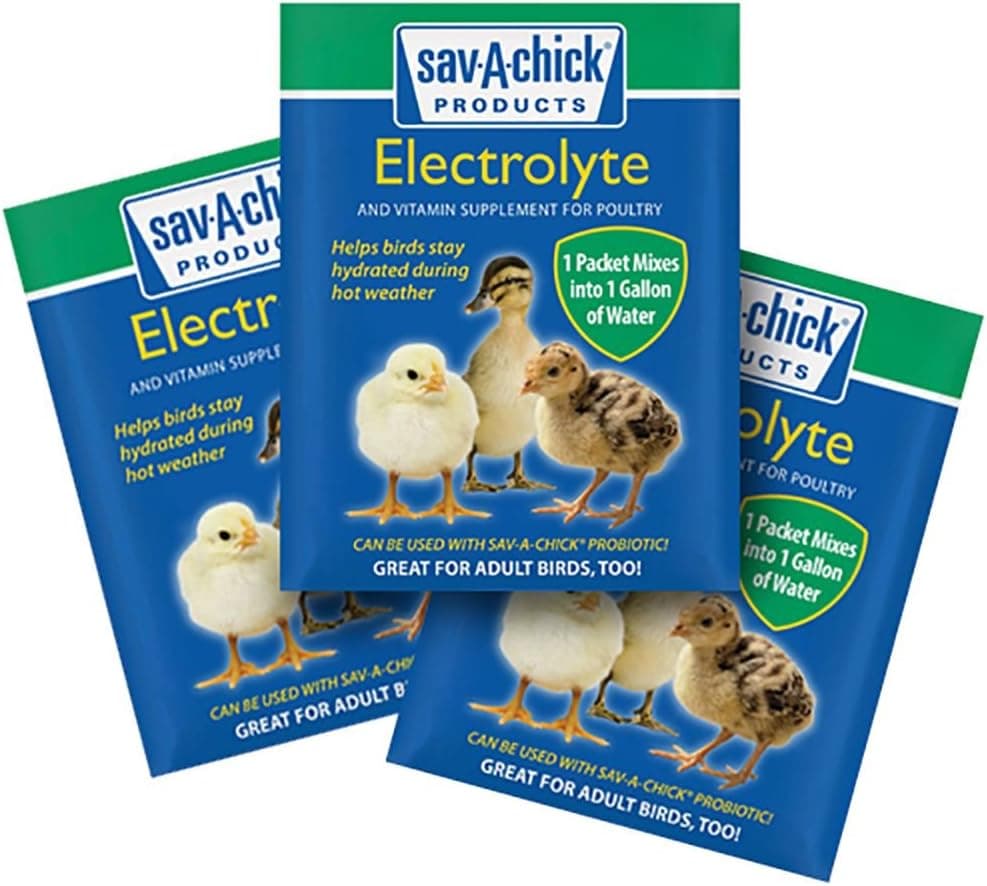
+ 9 Pack keeps enough doses on hand for a whole summer of heat waves
From our guide: Best Electrolytes and Vitamin Supplements for Chickens
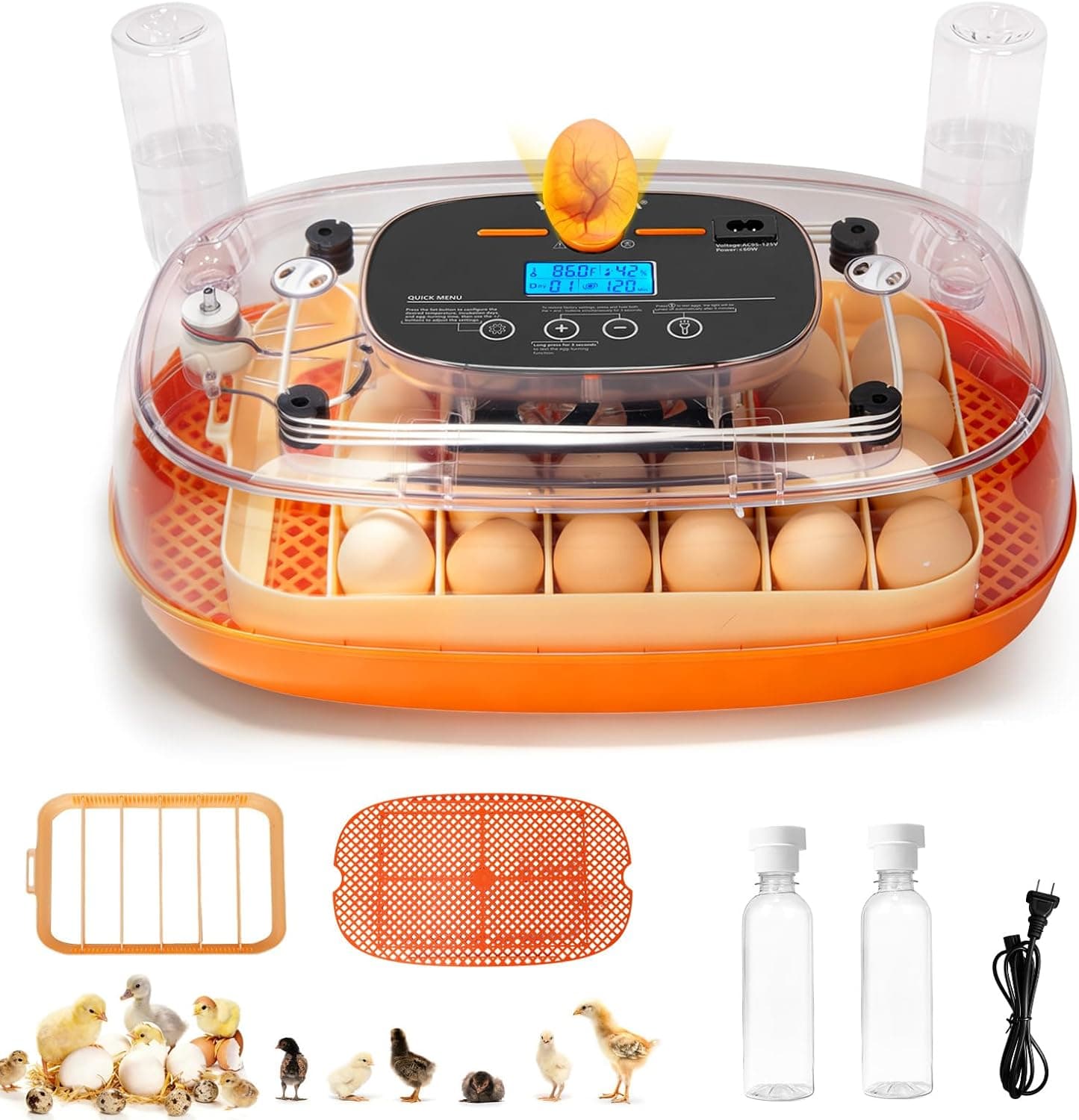
+ 24 Egg capacity suits keepers building a flock from a single hatch
From our guide: Best Egg Incubators for Home Hatching
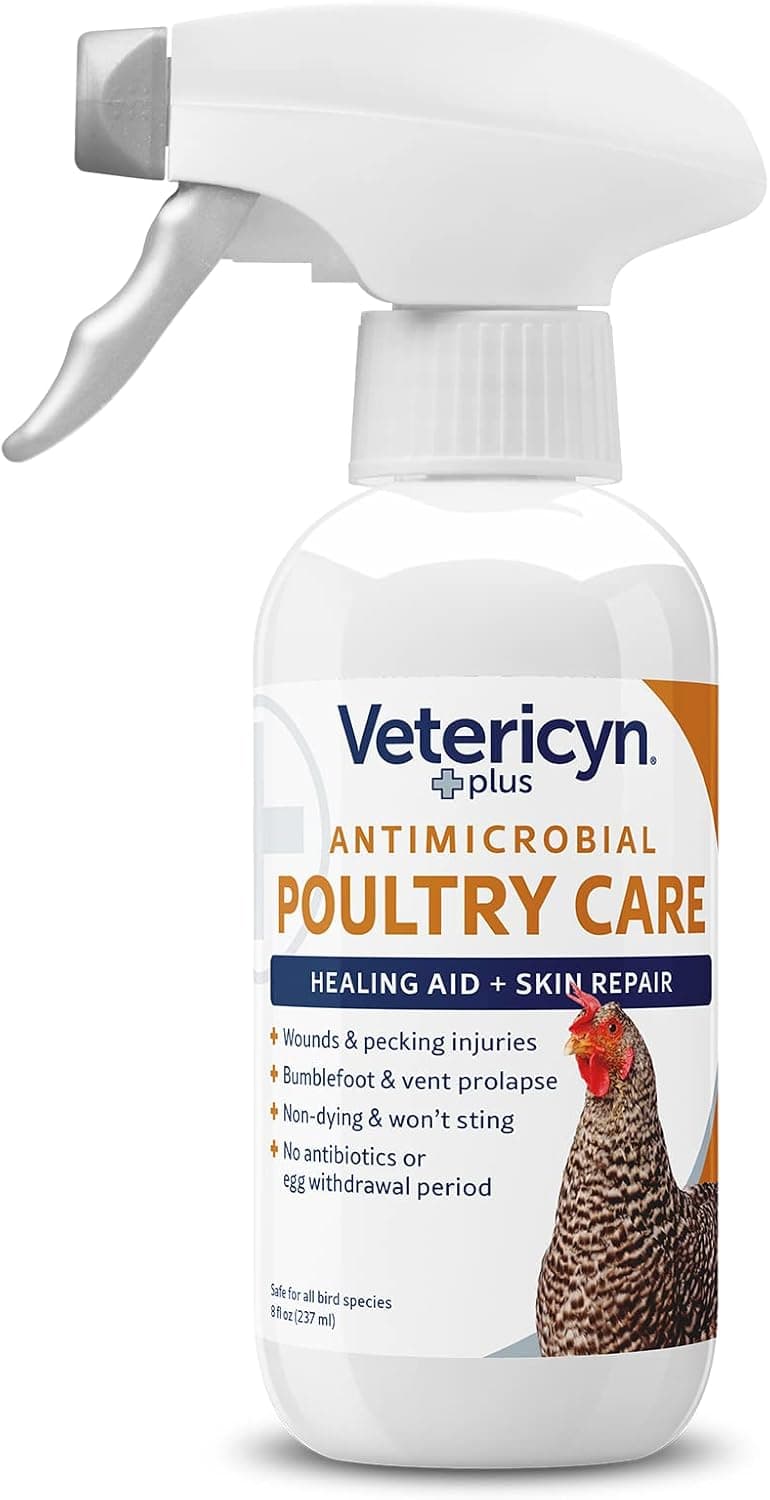
+ Treats pecking wounds, bumblefoot and vent issues in one bottle
From our guide: Best Flock Health Supplies
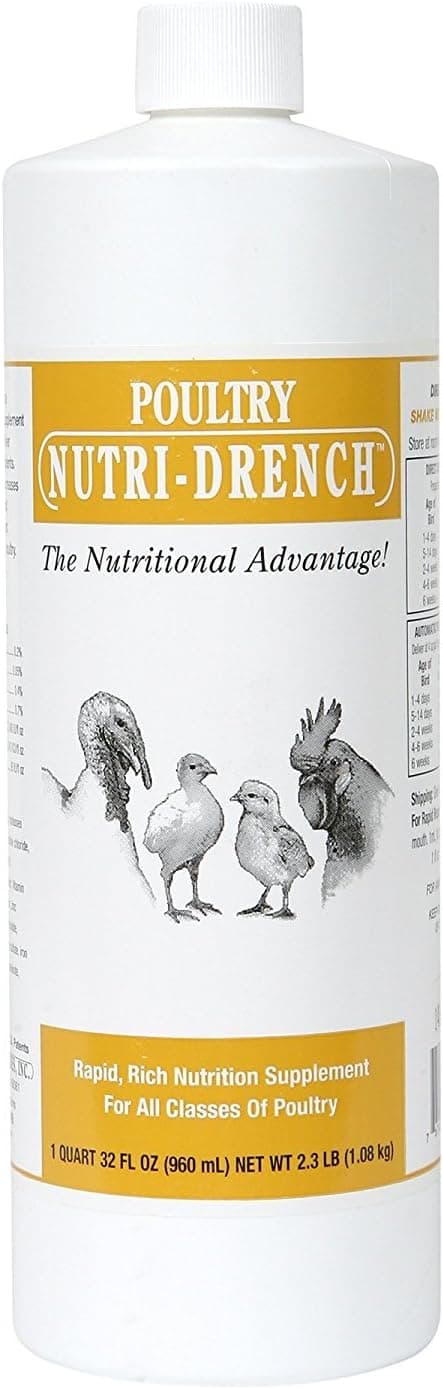
+ Can be given directly by mouth to birds too weak to drink
From our guide: Best Electrolytes and Vitamin Supplements for Chickens
Popular right now
- Best Poop Trays for Under RoostsBuying guide
- How Much Space Chickens Need in the Coop and RunArticle
- Free Ranging Chickens SafelyArticle
- Composting Chicken Manure SafelyArticle
- Best Nesting Pads for Nest BoxesBuying guide
- The Deep Litter Method ExplainedArticle
Based on the last 28 days of search and visitor data.