How to Deal With Rats Around Your Chicken Coop
Published How we research
Rats are drawn to chicken coops by easy food, water and shelter, and once they find a reliable source they breed quickly. They eat feed and eggs, can spread disease, chew through wood and may attack young chicks. Rat problems often increase in autumn as colder weather pushes rodents toward sheltered buildings. Removing food sources and making the coop physically rat-proof is far more effective than relying on traps alone.
Signs rats are visiting
Common signs include tunnels or burrows near the coop, droppings around feeders, gnawed wood or feed bags, disappearing eggs and a noticeable increase in feed use. Rats are mostly nocturnal, so you may not see them during the day even when numbers are high.
Scattered feed and runs of flattened grass along walls are also clues. A simple motion-activated camera pointed at the feeder overnight quickly confirms whether rats are the problem.
Remove easy food
Open feeders left out overnight and spilled feed on the ground are the biggest rat attractions. Use treadle feeders or no-waste feeders that reduce spills, and consider bringing feeders inside a secure space at night.
Collect eggs frequently and avoid throwing large piles of scraps into the run. Clean up leftover treats before dusk so nothing remains for rodents to find.
Store feed securely
Rats chew through paper and plastic feed bags easily. Store feed in metal bins with tight-fitting lids, and keep them off the ground where possible.
Keep storage areas clean and sweep up spilled grain promptly. A single torn bag can feed rats for weeks.
Rodent-proof the coop and run
Rats can squeeze through surprisingly small gaps. Replace chicken wire with hardware cloth on vents and openings, since chicken wire keeps chickens in but does not keep rodents out.
Install a buried or apron-style barrier of hardware cloth around the perimeter to stop digging. Seal gaps in walls and floors and repair holes promptly.
Remove shelter nearby
Woodpiles, overgrown vegetation and clutter around the coop provide hiding places. Clear these areas and keep grass trimmed.
Raise coops off the ground or use solid floors to prevent nesting underneath. Store equipment neatly away from the coop.
Use traps safely
If rats are already established, snap traps placed in covered stations inaccessible to chickens can reduce populations. Check traps daily.
Avoid poisons around chickens and pets, since poisoned rodents can be eaten by other animals. Consider professional pest control for severe infestations.
Products from this article
The highest-scoring picks from the buying guides mentioned above. Scores are our editorial assessment, not customer ratings.
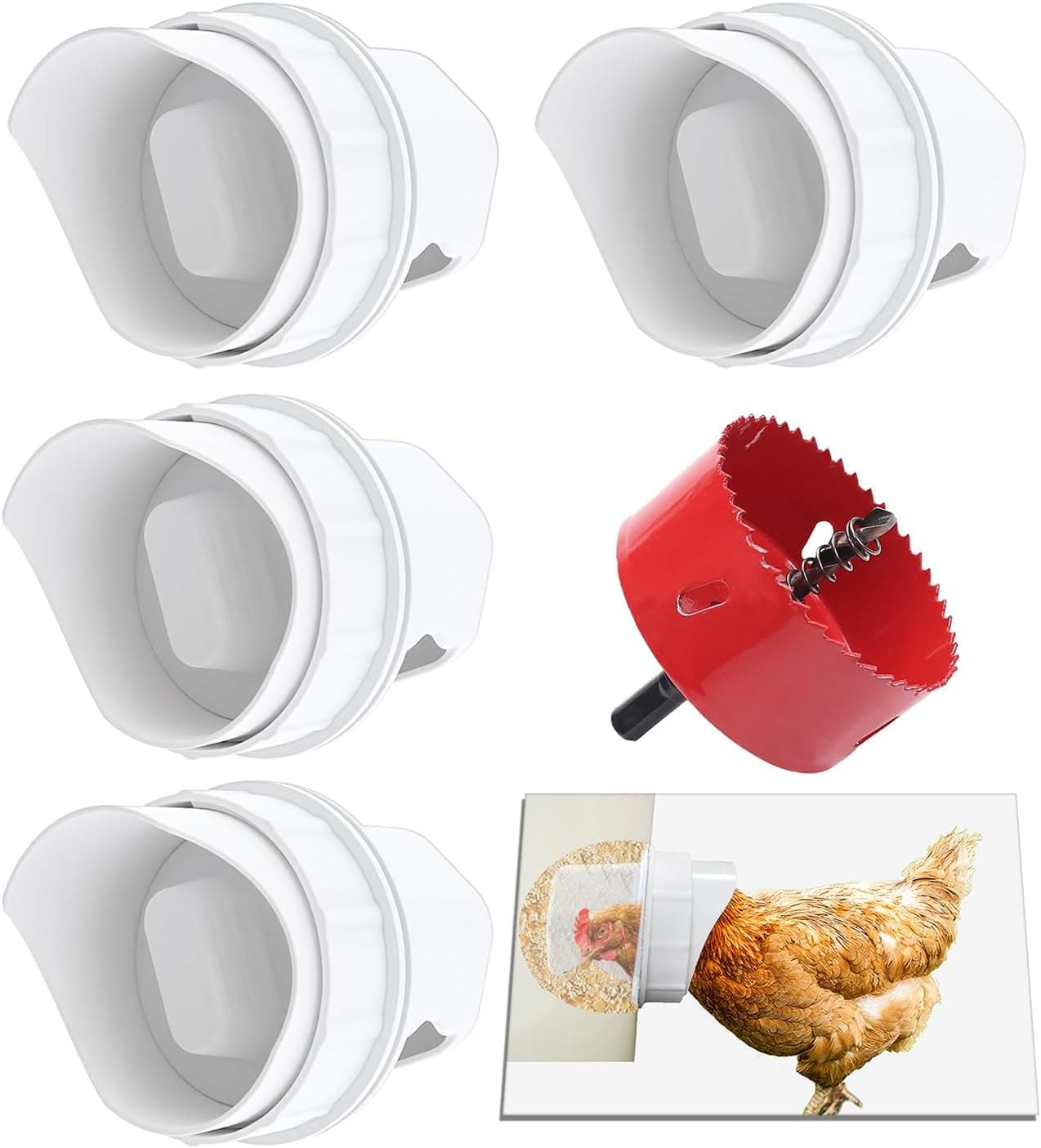
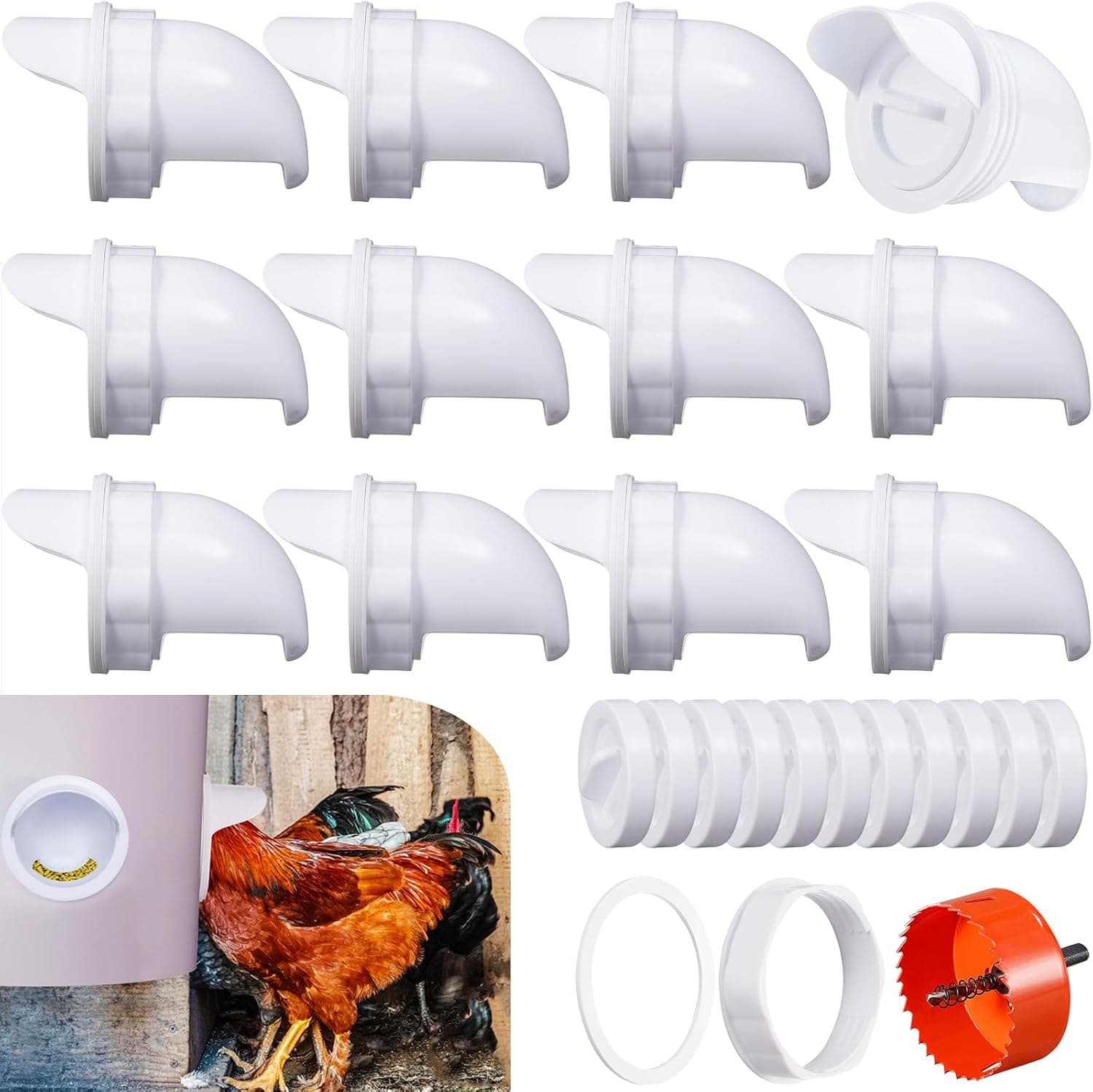
+ Included 3.15" hole saw matches the cup size, so the ports seat snugly
From our guide: Best No-Waste Chicken Feeders
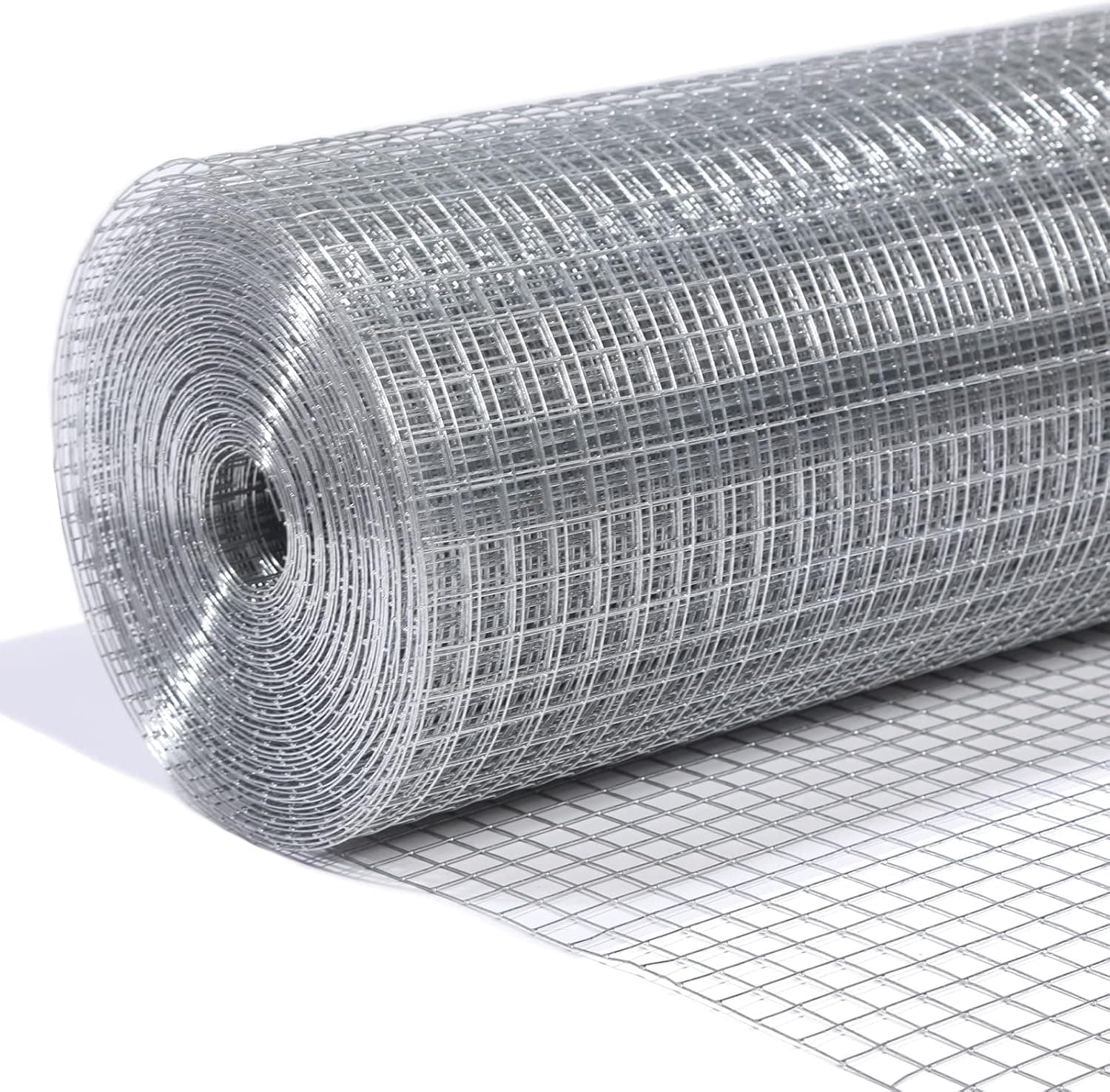
+ 19 Gauge wire is sturdy enough to stop raccoon hands and claws
From our guide: Best Hardware Cloth for Chicken Coops and Runs
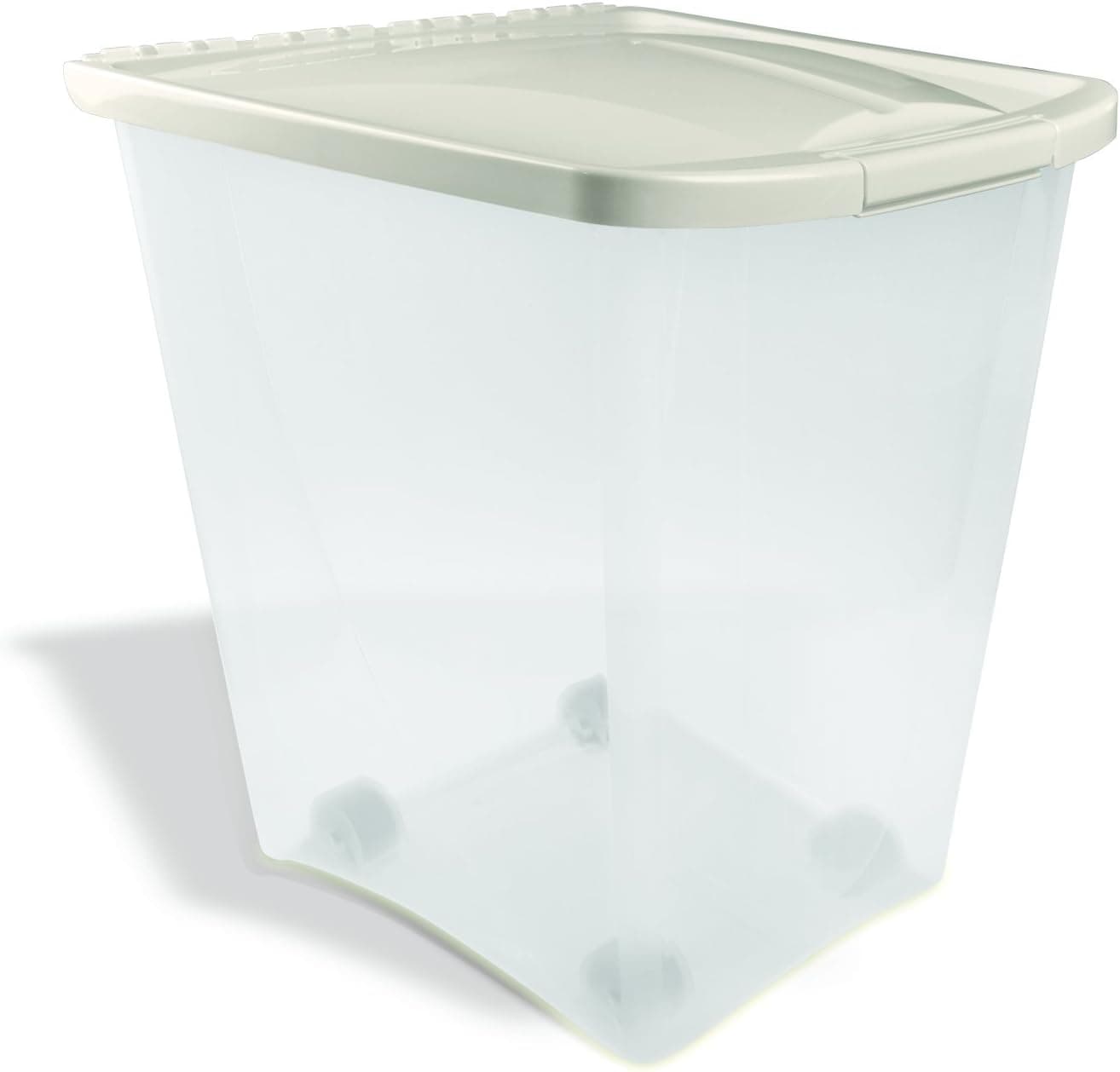
+ Wheels let you move a full bin without lifting heavy feed
From our guide: Best Rodent-Proof Feed Storage for Chicken Keepers
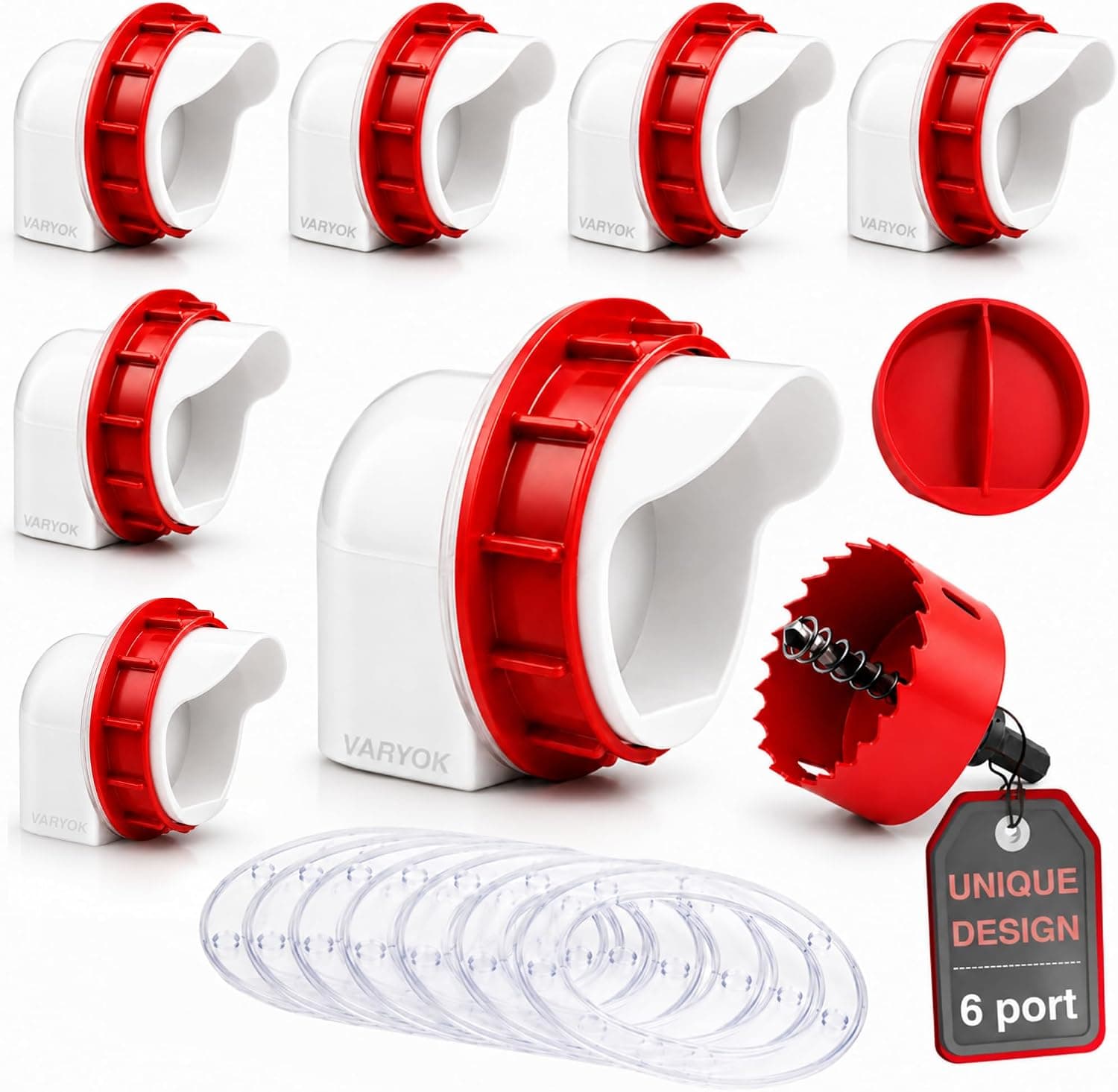
+ 12 ports let a big flock eat at the same time from one barrel
From our guide: Best No-Waste Chicken Feeders
Popular right now
- Best Poop Trays for Under RoostsBuying guide
- How Much Space Chickens Need in the Coop and RunArticle
- Free Ranging Chickens SafelyArticle
- Composting Chicken Manure SafelyArticle
- Best Nesting Pads for Nest BoxesBuying guide
- The Deep Litter Method ExplainedArticle
Based on the last 28 days of search and visitor data.