How to Stop Chickens Sleeping in Nest Boxes
Published How we research
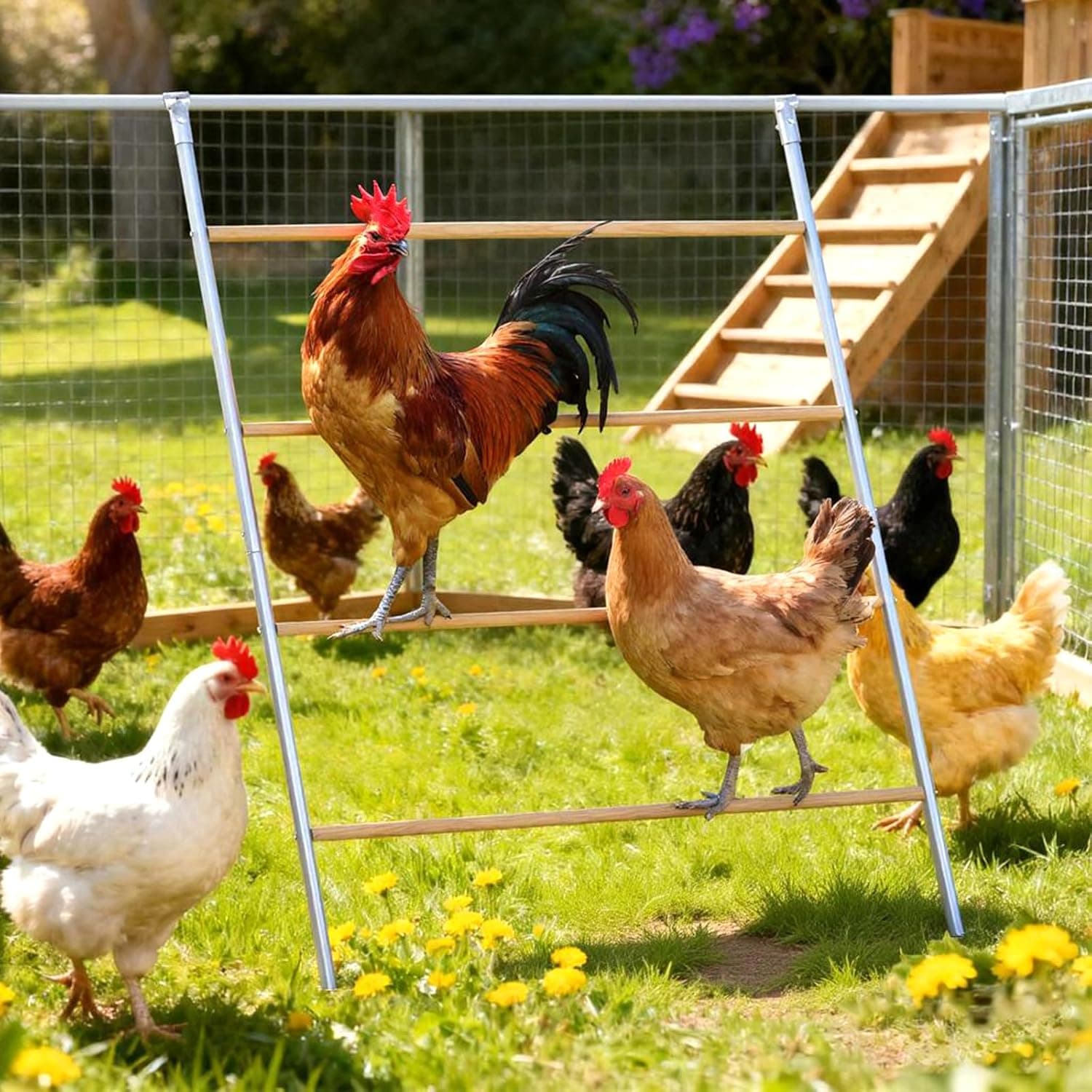
Nest boxes should be used for laying eggs, but some hens insist on sleeping in them at night. Because chickens produce a large share of their droppings overnight, sleeping in nest boxes leads to dirty bedding, stained eggs and more cleaning. Hens usually choose nest boxes because roosts are uncomfortable, too crowded or lower than the boxes. Adjusting the coop setup and gently retraining the flock solves most cases.
Why hens sleep in nest boxes
Chickens instinctively seek the highest safe spot to sleep. If nest boxes are mounted higher than the roosting bars, hens will often choose the boxes instead.
Crowded roosts, bullying by dominant hens, new pullets that have not learned to roost and broody hens settling into nests can also lead to nest box sleeping.
Make roosts higher than nest boxes
Roosting bars should be higher than the nest boxes so chickens prefer them at night. Raise the roosts or lower the boxes if necessary.
Place roosts away from nest boxes so droppings do not fall into them. A poop tray or board under roosts makes cleaning easier.
Provide enough roost space
Crowded roosts force lower-ranking hens to find other sleeping spots. Provide enough roosting space for every bird, with extra space for larger breeds.
Use wide, comfortable roosting bars rather than narrow dowels. Many keepers use wooden boards with the wide side up so chickens can cover their feet in cold weather.
Train hens to roost
After dark, gently lift hens out of nest boxes and place them on the roost. Repeat for several nights until they learn the routine.
Young pullets may need extra help learning to roost. Lower practice roosts in the brooder or run can build the habit early.
Block boxes temporarily
Close nest boxes in the evening after the last eggs are laid and reopen them early in the morning. This prevents sleeping in boxes while training.
Remember to open boxes before hens start laying, or they may lay on the floor. Automatic coop doors and timers can help with routines.
Keep boxes clean
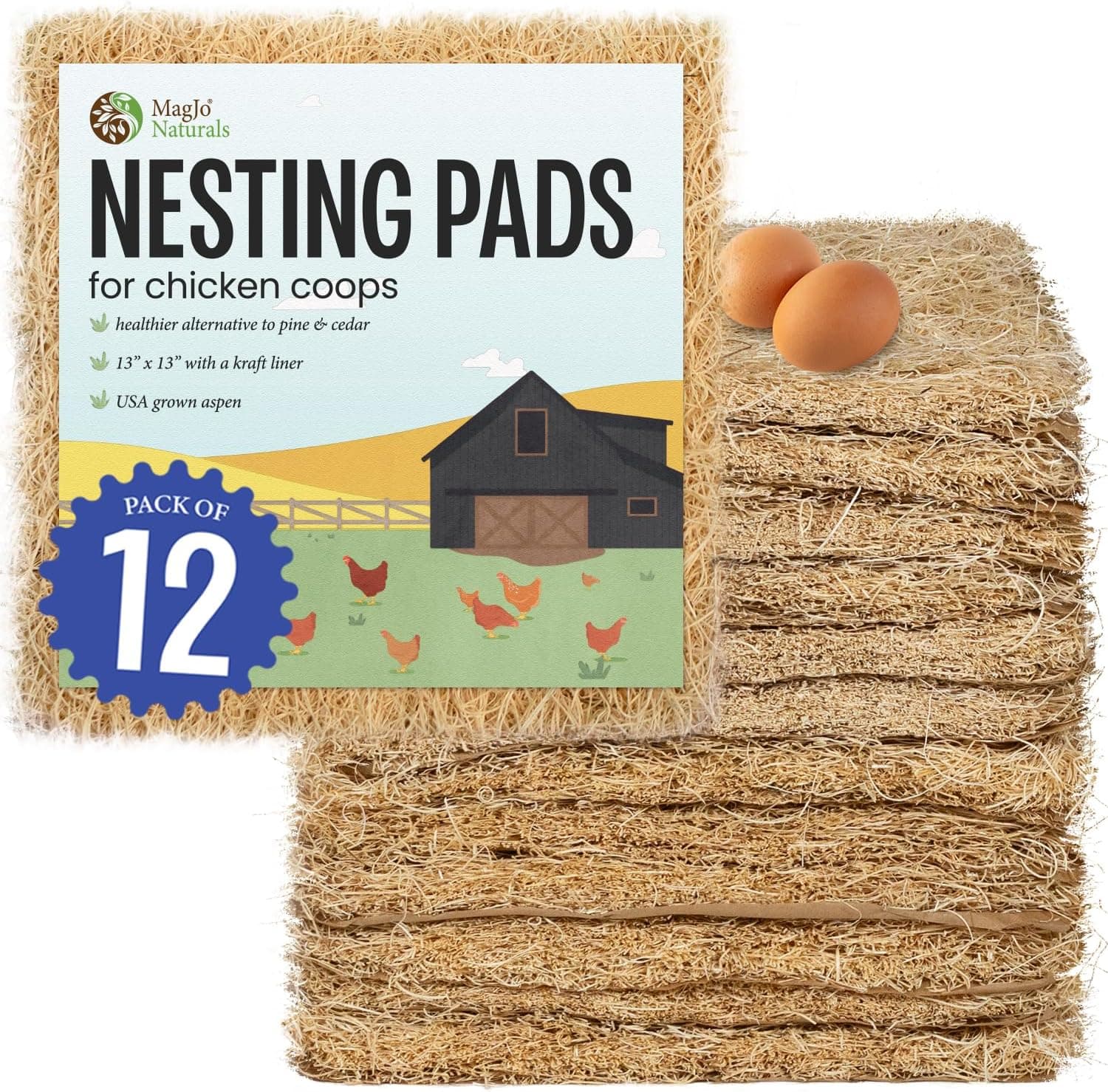
Replace soiled bedding promptly and use washable nesting pads. Clean boxes help encourage laying in the right place.
Collect eggs frequently to keep them clean. Dirty eggs can be dry cleaned with a brush, following food safety guidance.
Check for mites on the roosts
Sometimes hens abandon perfectly good roosts because red mites are living in the cracks of the bars and biting them at night. Chickens that suddenly refuse a roost they used happily for months are worth investigating before assuming it is a training problem.
Check roost ends and joints with a flashlight after dark, or wipe a white paper towel along the underside and look for red or grey smears. Treat the coop and birds if you find mites, and consider replacing old, cracked roosting bars with smooth new ones that are easier to clean.
Products from this article
The highest-scoring picks from the buying guides mentioned above. Scores are our editorial assessment, not customer ratings.
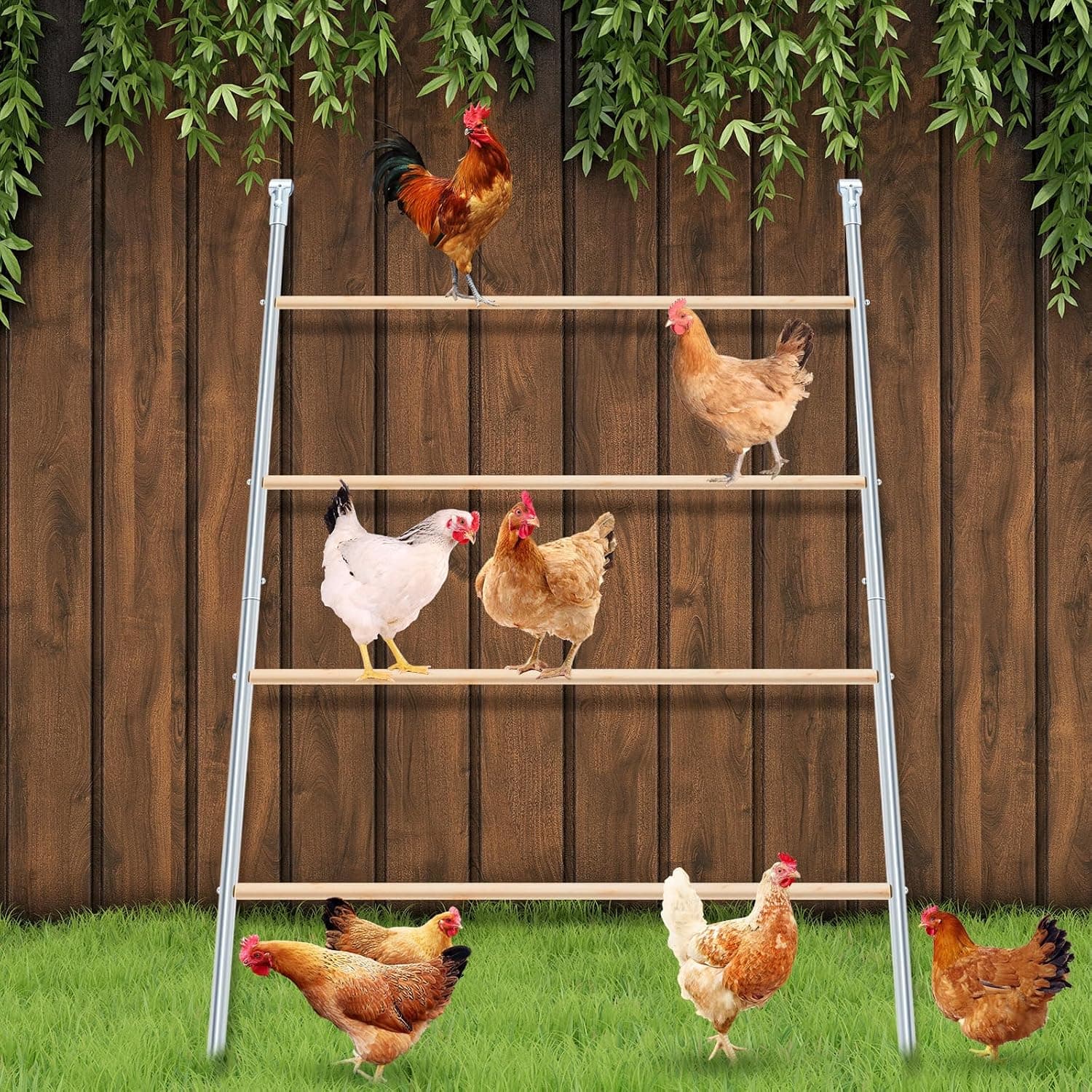
+ Ladder layout lets hens settle into their own pecking order height
From our guide: Best Roosting Bars and Chicken Perches
+ 12 Pack gives more changes per order than common pad bundles
From our guide: Best Nesting Pads for Nest Boxes
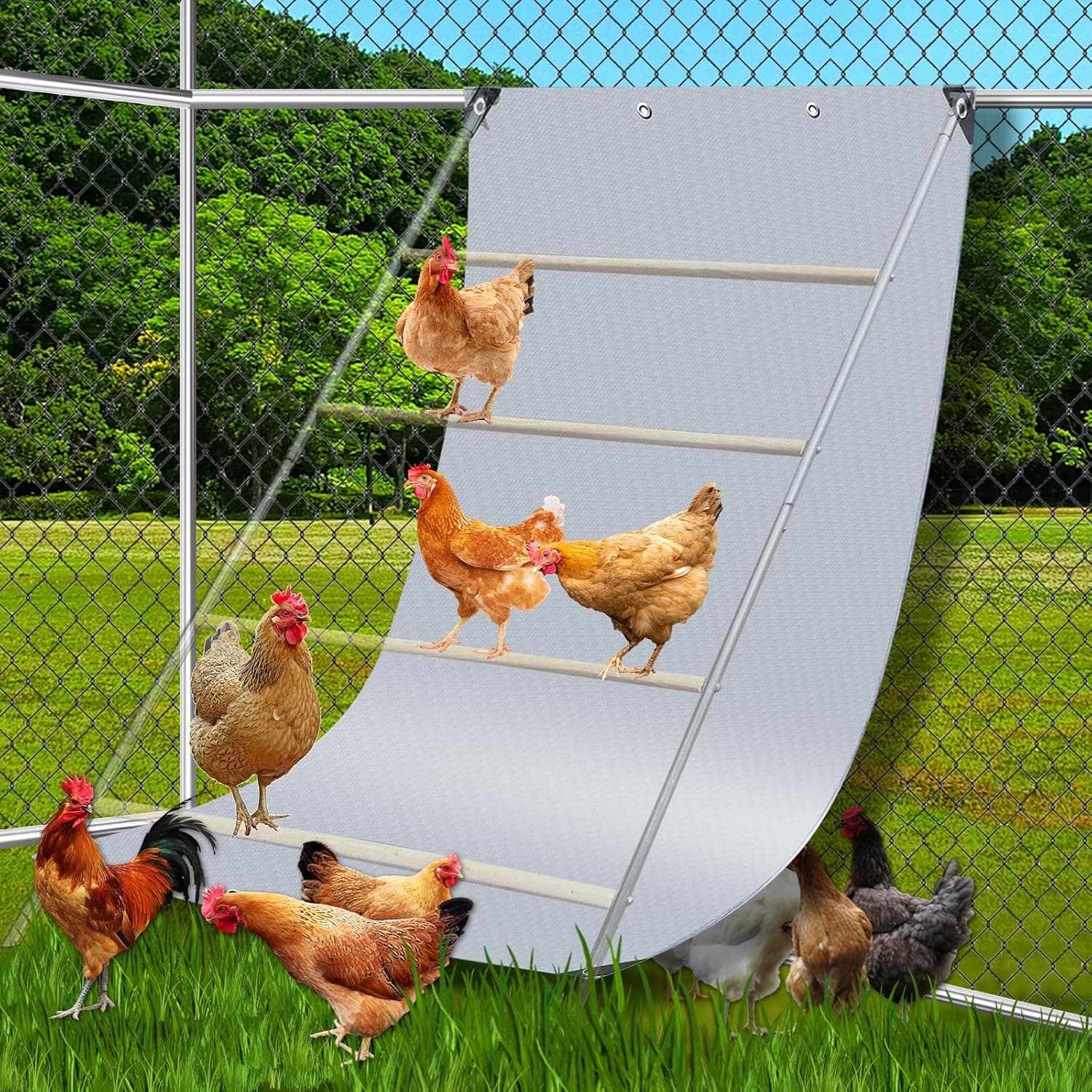
+ Hangs under the roost so overnight droppings stay off the bedding
From our guide: Best Poop Trays for Under Roosts
+ 55 Inch length gives several hens roosting room side by side
From our guide: Best Roosting Bars and Chicken Perches
Popular right now
- Best Poop Trays for Under RoostsBuying guide
- How Much Space Chickens Need in the Coop and RunArticle
- Free Ranging Chickens SafelyArticle
- Composting Chicken Manure SafelyArticle
- Best Nesting Pads for Nest BoxesBuying guide
- The Deep Litter Method ExplainedArticle
Based on the last 28 days of search and visitor data.