How to Deep Clean and Prepare Your Chicken Coop in Autumn
Published How we research
Autumn is one of the best times of year to give a chicken coop a thorough clean. The weather is usually still mild enough for bedding and surfaces to dry, mites and lice built up over summer can be dealt with, and repairs can be finished before freezing weather and long nights arrive. A clean, dry, well-sealed coop helps hens stay healthier through winter, when they spend much more time inside.
Remove all bedding and droppings
Choose a dry day and move the flock into the run or a secure area. Remove all old bedding, nesting material and droppings from the coop floor, roosts and nest boxes, and compost them if you use a composting system for chicken manure.
Wear gloves and a dust mask while cleaning, since dried droppings and dusty bedding can irritate lungs. If you use the deep litter method, decide whether to refresh it fully now or top it up for winter, depending on how dry and healthy the litter looks.
Scrub and dry surfaces
Scrape stuck-on droppings from roosts, poop boards and floors, then scrub with hot water and a poultry-safe coop cleaner. Pay attention to corners, cracks and the underside of roosts where mites hide.
Rinse and leave doors and windows open so the coop dries completely before adding fresh bedding. Damp bedding in winter leads to ammonia build-up and respiratory problems.
Check for mites and lice
Inspect roosts at night with a flashlight for red mites, and check chickens under wings and around the vent for lice and mites. Autumn infestations can grow quickly once birds are confined more in winter.
Treat birds and coop according to product instructions, repeating treatments as needed to break the life cycle. Provide a dry dust bath area inside the run for winter.
Repair and predator-proof
Predators become bolder as food becomes scarce in autumn and winter. Walk around the coop and run checking for holes, loose boards, damaged hardware cloth and weak latches.
Fix gaps, reinforce doors and check that aprons or buried barriers remain intact. Test automatic doors and replace batteries.
Prepare ventilation and insulation
Good ventilation remains essential in winter to remove moisture. Clear vents of dust and cobwebs and make sure they are positioned above the chickens' heads to avoid drafts.
Add insulation or wind protection on exposed sides if your climate is very cold, while keeping vents open.
Set up winter water and bedding
Check heated waterers and extension cords for damage before freezing temperatures arrive. Place waterers on stable surfaces.
Add fresh, dry bedding and nest box material. Stock extra bedding and feed so you are prepared for storms.
Products from this article
The highest-scoring picks from the buying guides mentioned above. Scores are our editorial assessment, not customer ratings.
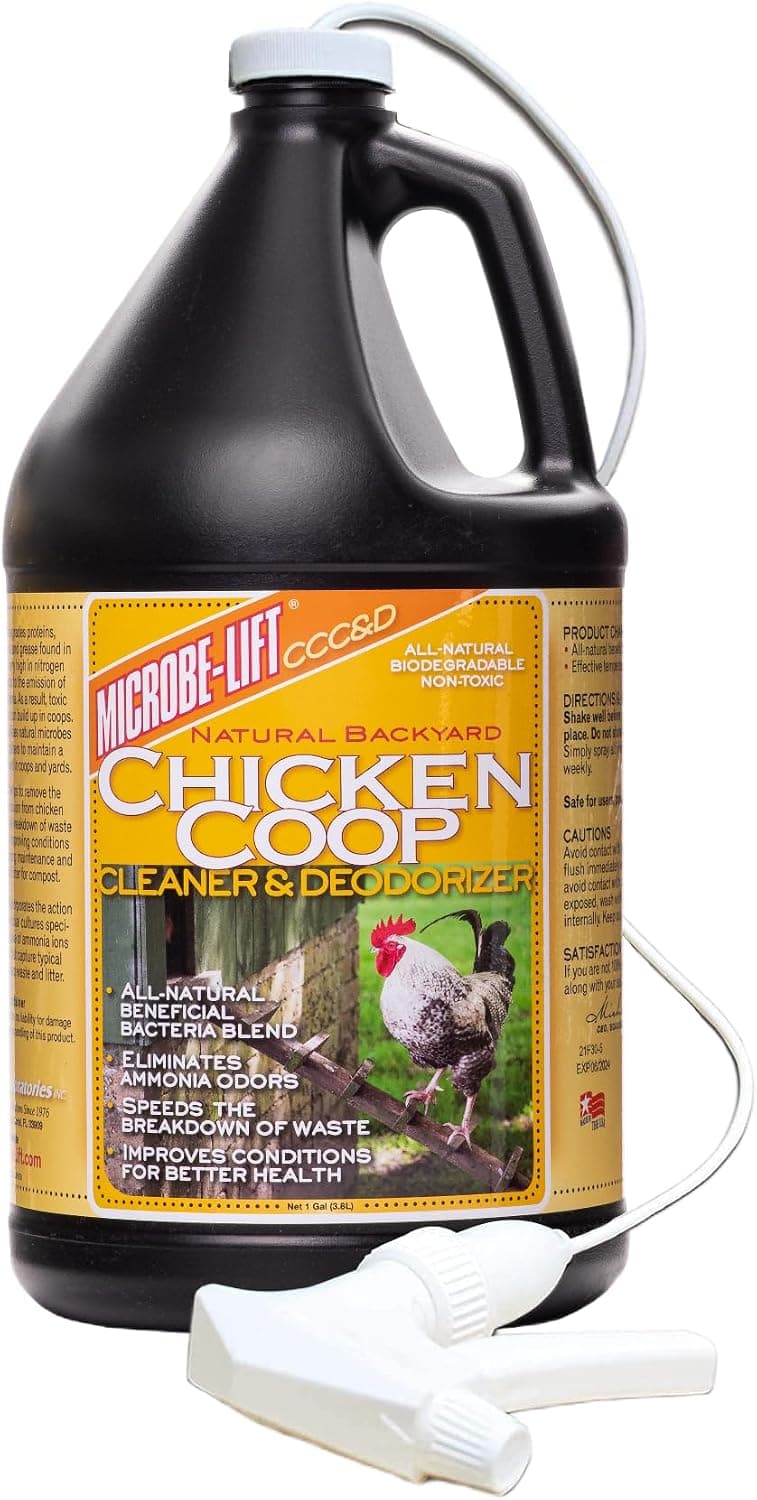
+ 1 Gallon size treats a coop many times before running out
From our guide: Best Coop Cleaners and Disinfectants for Chicken Housing
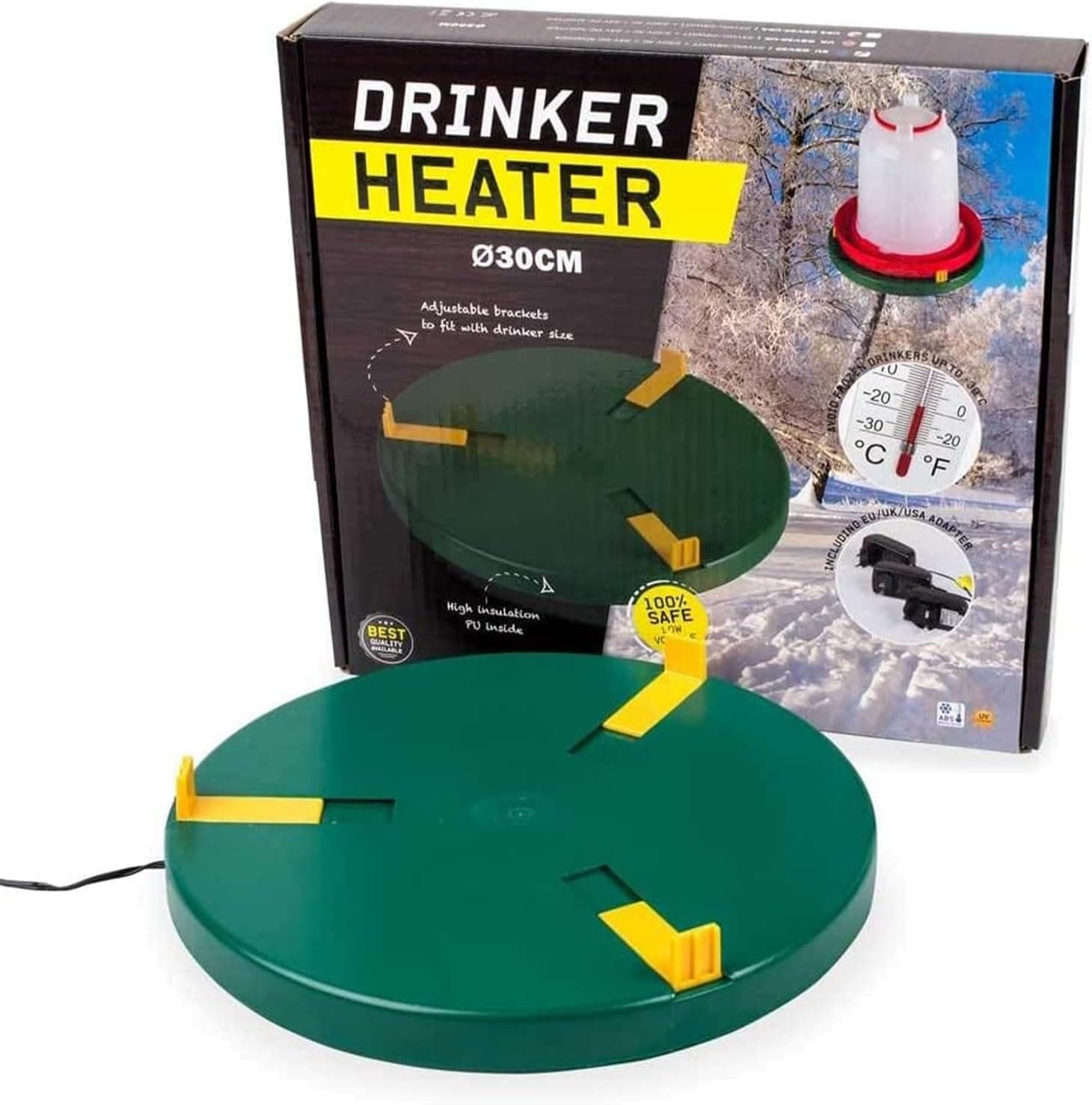
+ 28W draw is very low, which keeps winter running costs modest
From our guide: Best Heated Chicken Waterers for Winter
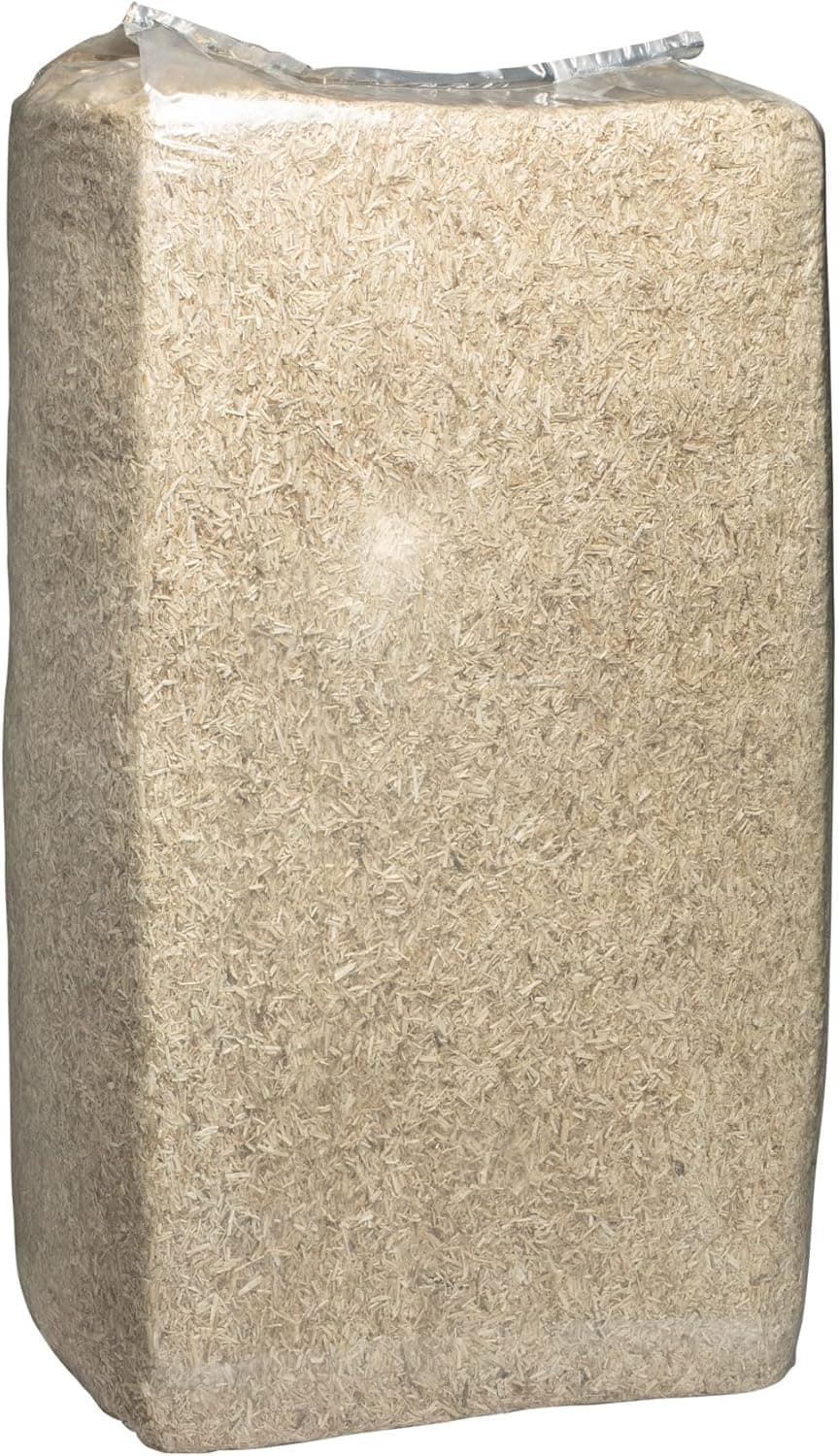
+ Hemp bedding is a low-dust alternative to pine shavings
From our guide: Best Hemp Bedding for Chicken Coops
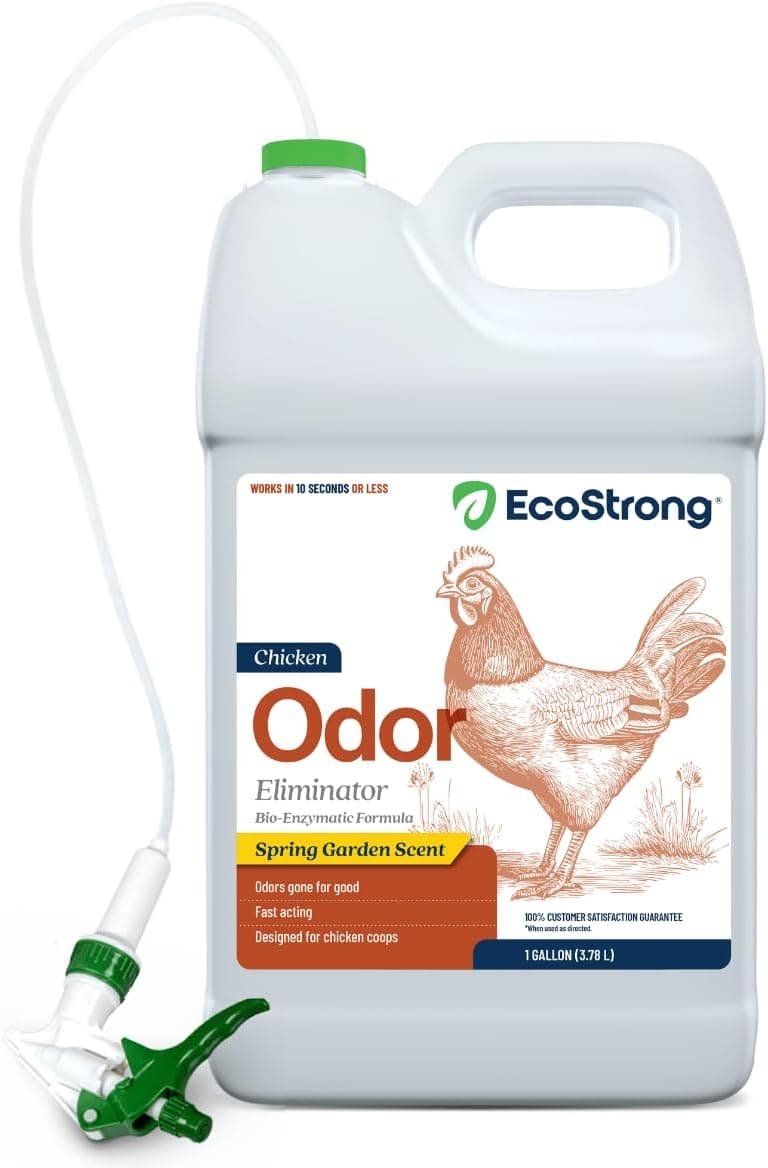
+ 128 oz jug lowers the cost per use versus the small bottle
From our guide: Best Coop Cleaners and Disinfectants for Chicken Housing
Popular right now
- Best Poop Trays for Under RoostsBuying guide
- How Much Space Chickens Need in the Coop and RunArticle
- Free Ranging Chickens SafelyArticle
- Composting Chicken Manure SafelyArticle
- Best Nesting Pads for Nest BoxesBuying guide
- The Deep Litter Method ExplainedArticle
Based on the last 28 days of search and visitor data.