Coop Ventilation Without Drafts
Published How we research
Ventilation is the part of coop design that new keepers most often get backwards. The instinct in cold weather is to seal every gap and keep the birds warm, but a sealed coop traps moisture and ammonia, and both are far more dangerous to chickens than cold air. Hens wear a down jacket they never take off. What they cannot cope with is breathing damp, fouled air all night, or waking up with wet feathers that have lost their insulating loft.
The moisture comes from three places: droppings, which are mostly water, the waterer, and the birds themselves, who release a surprising amount of water vapour through respiration. In a closed coop that vapour condenses on the walls and ceiling, soaks the bedding and keeps the litter permanently damp. Damp litter then feeds ammonia production, which irritates the lining of the respiratory tract and makes birds vulnerable to infection. It also sets up the wet-plus-cold combination that causes frostbite on combs and wattles. If you can smell ammonia at chicken height, the coop needs more air, drier bedding, or both.
The solution is the distinction between ventilation and draft. Ventilation is a steady, gentle exchange of air that carries moisture and gases out of the building. A draft is moving air that blows directly across a bird while it roosts. The design trick is simple: put the openings high, above the level of the birds' heads when they are on the roost. Warm, moist air rises and exits through those high openings, drawing fresh air in through lower gaps, while the birds sit in a calm pocket of still air below.
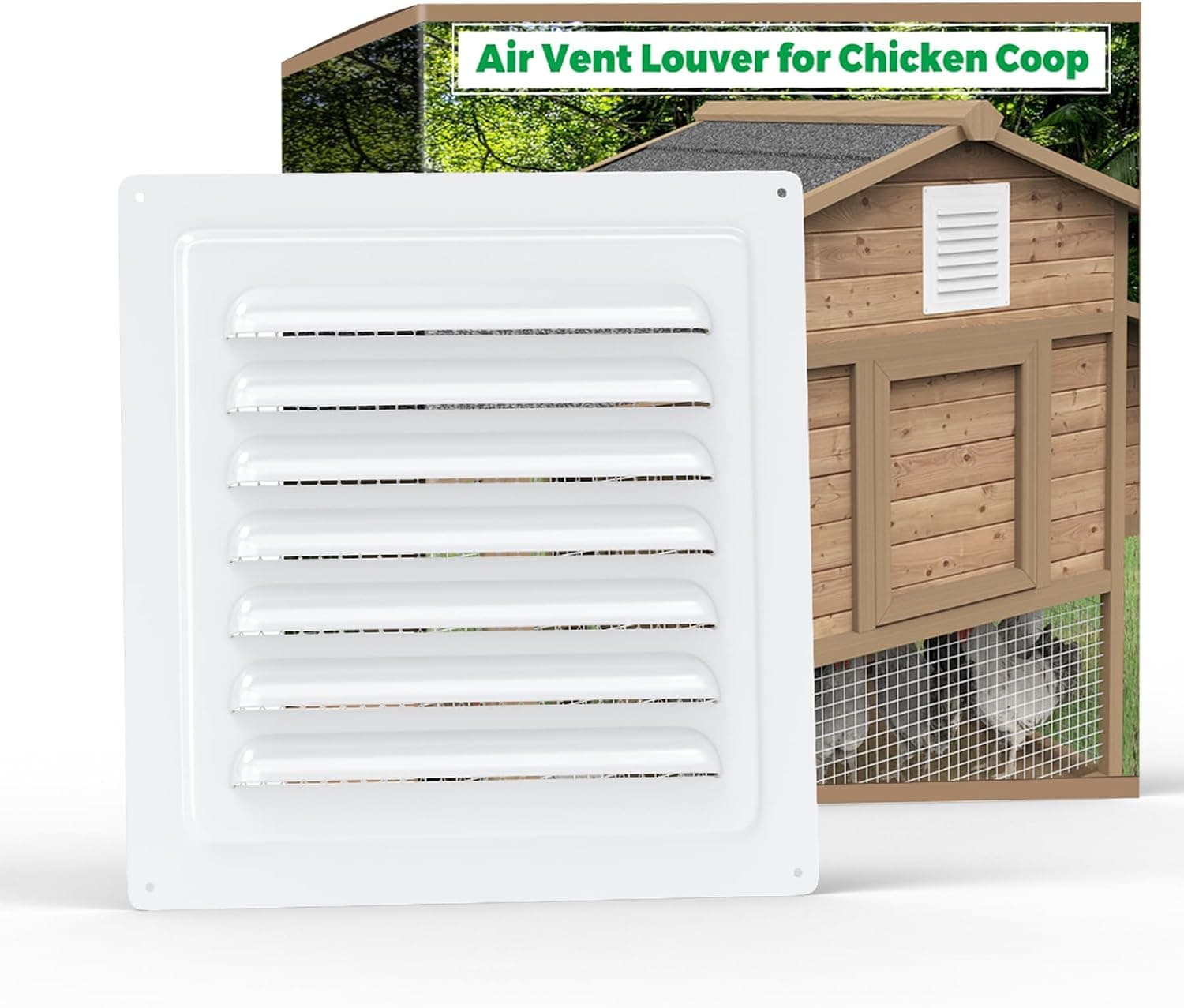
In practice this usually means vents along the top of the walls under the eaves, ideally on more than one side so air can cross. Gable vents, a ridge vent, or a section of soffit left open and covered with hardware cloth all work. Many keepers aim for roughly one square foot of permanent open vent per bird in warm climates, reducing the effective opening in winter by closing vents on the windward side only. Cover every opening with half-inch hardware cloth stapled or screwed firmly in place, never with chicken wire, because ventilation openings are exactly where raccoons and weasels look for a way in.
Windows and pop doors are for summer airflow, not for winter ventilation. In hot weather you want as much cross breeze as the birds will tolerate, and opening a low window or propping the pop door open helps enormously. In cold weather those same low openings put moving air directly on the roost, so close them and rely on the high vents. If you find yourself needing to shut the high vents to keep the coop tolerable, the coop is probably too small for the number of birds in it, or the bedding is too wet.
Good ventilation works together with good litter management. Keep the waterer outside the coop or in the run where spills do not soak the bedding. Use an absorbent bedding layer deep enough to handle the droppings, turn or top it regularly, and clean under the roosts where the overnight manure concentrates. A droppings board under the perch, scraped every morning, removes a large fraction of the moisture load before it ever reaches the litter.
A quick test tells you how you are doing. Go into the coop early in the morning before opening it, and pay attention. The air should feel fresh and smell of bedding and birds, not sharp or sour. There should be no condensation on the ceiling and no frost on the underside of the roof in winter. Bedding under the roost should be crumbly, not packed and wet. If any of those checks fail, add high vents before you add anything else.
Products from this article
The highest-scoring picks from the buying guides mentioned above. Scores are our editorial assessment, not customer ratings.
+ 2 pack lets you create cross ventilation on opposite walls
From our guide: Best Coop Windows and Vents
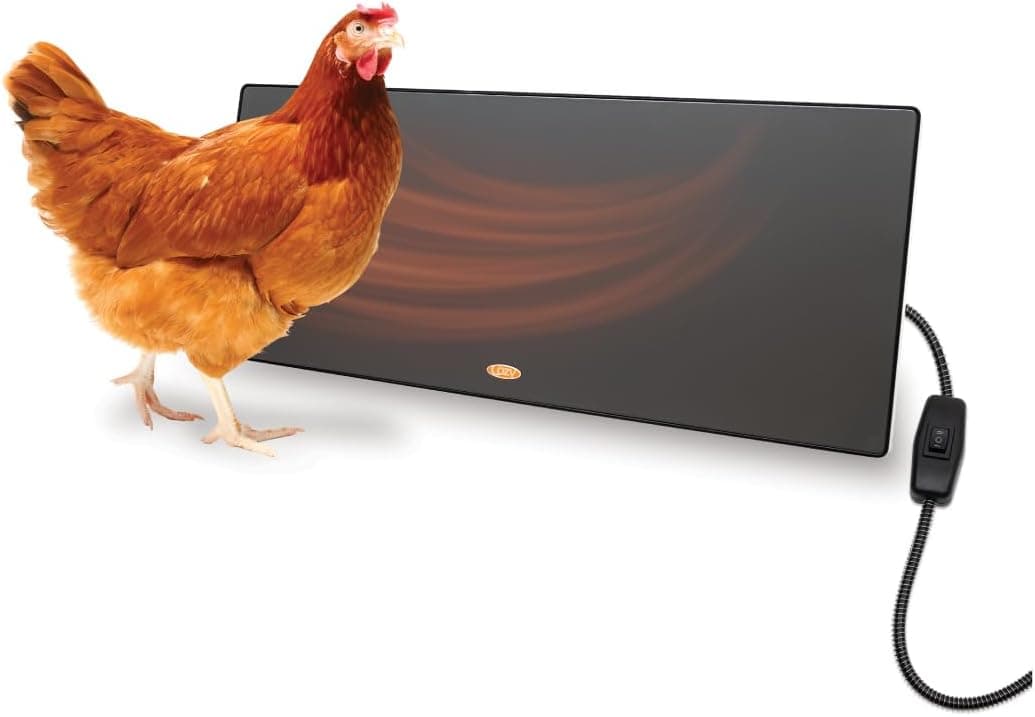
+ Flat-panel design avoids the fire risk of hot heat lamp bulbs
From our guide: Best Winter Coop Insulation and Cold-Weather Kit
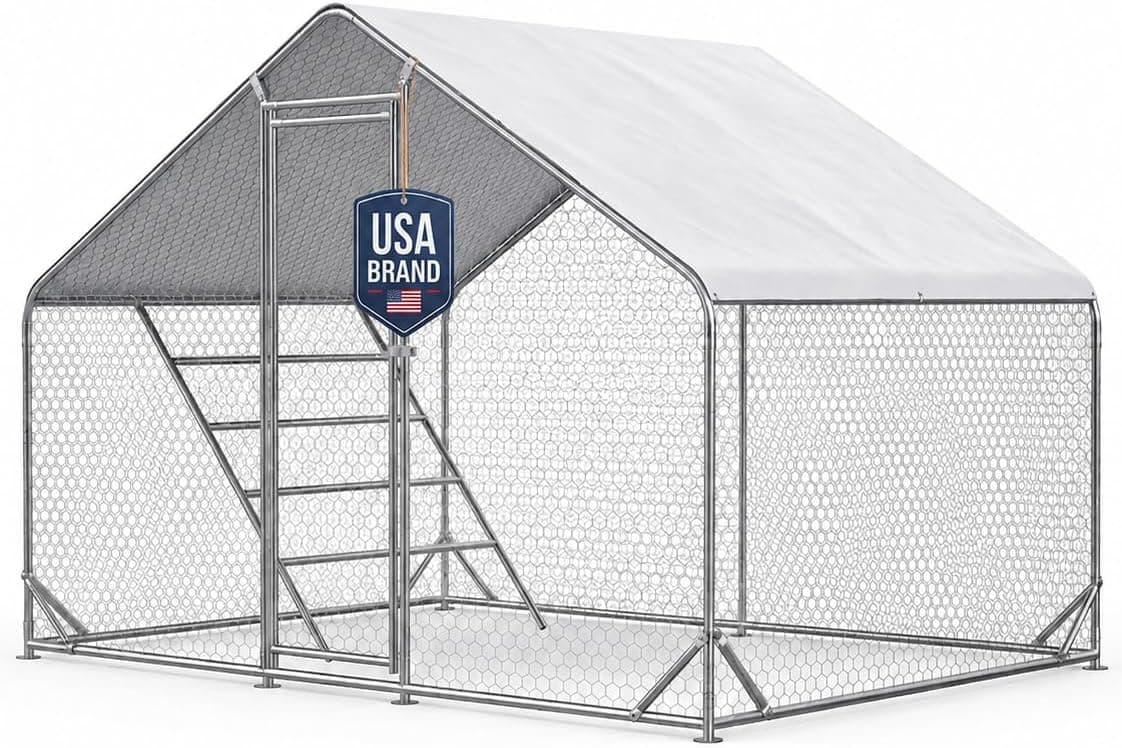
+ Walk-in height lets you stand inside to clean, feed and collect eggs
From our guide: Best Walk-In Chicken Coops
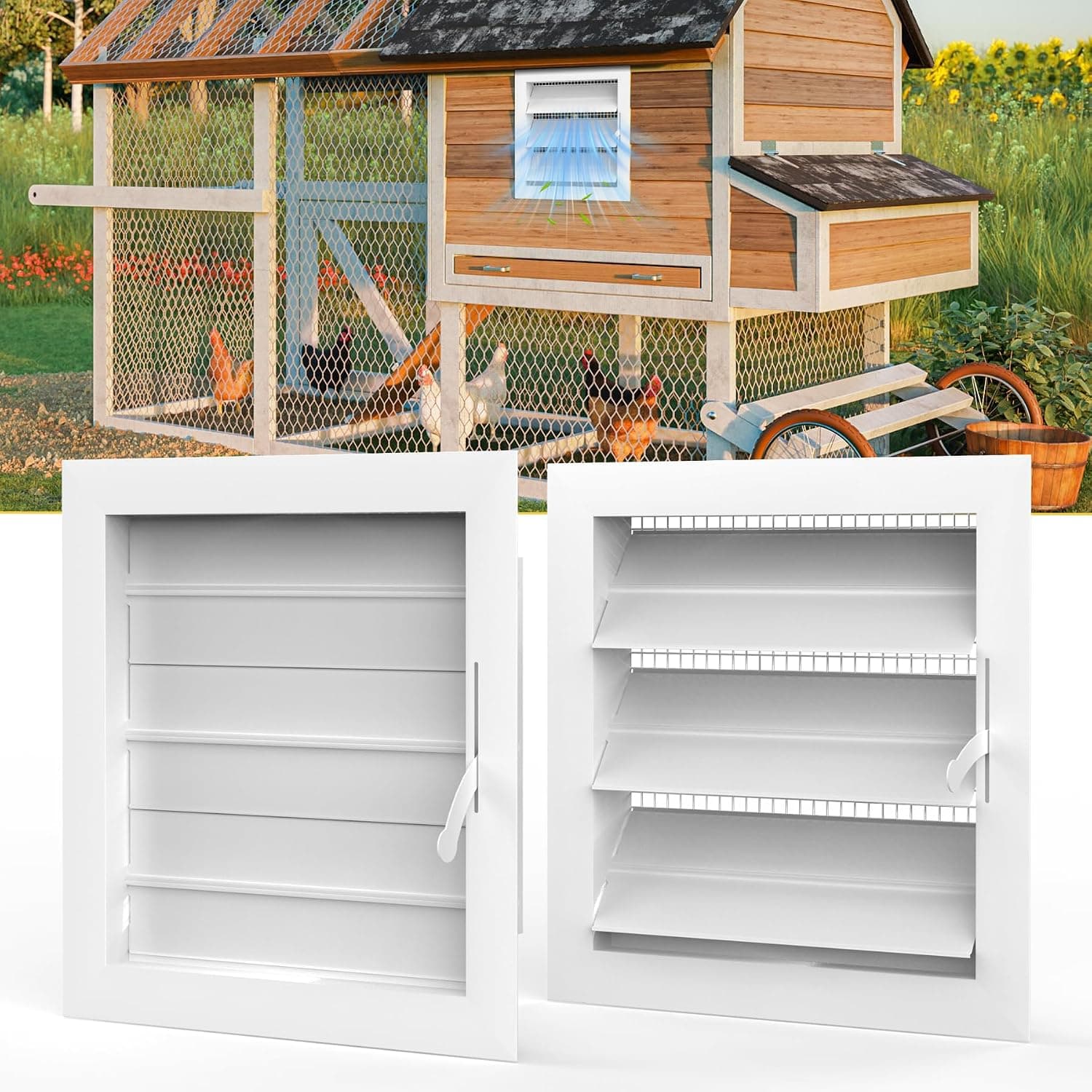
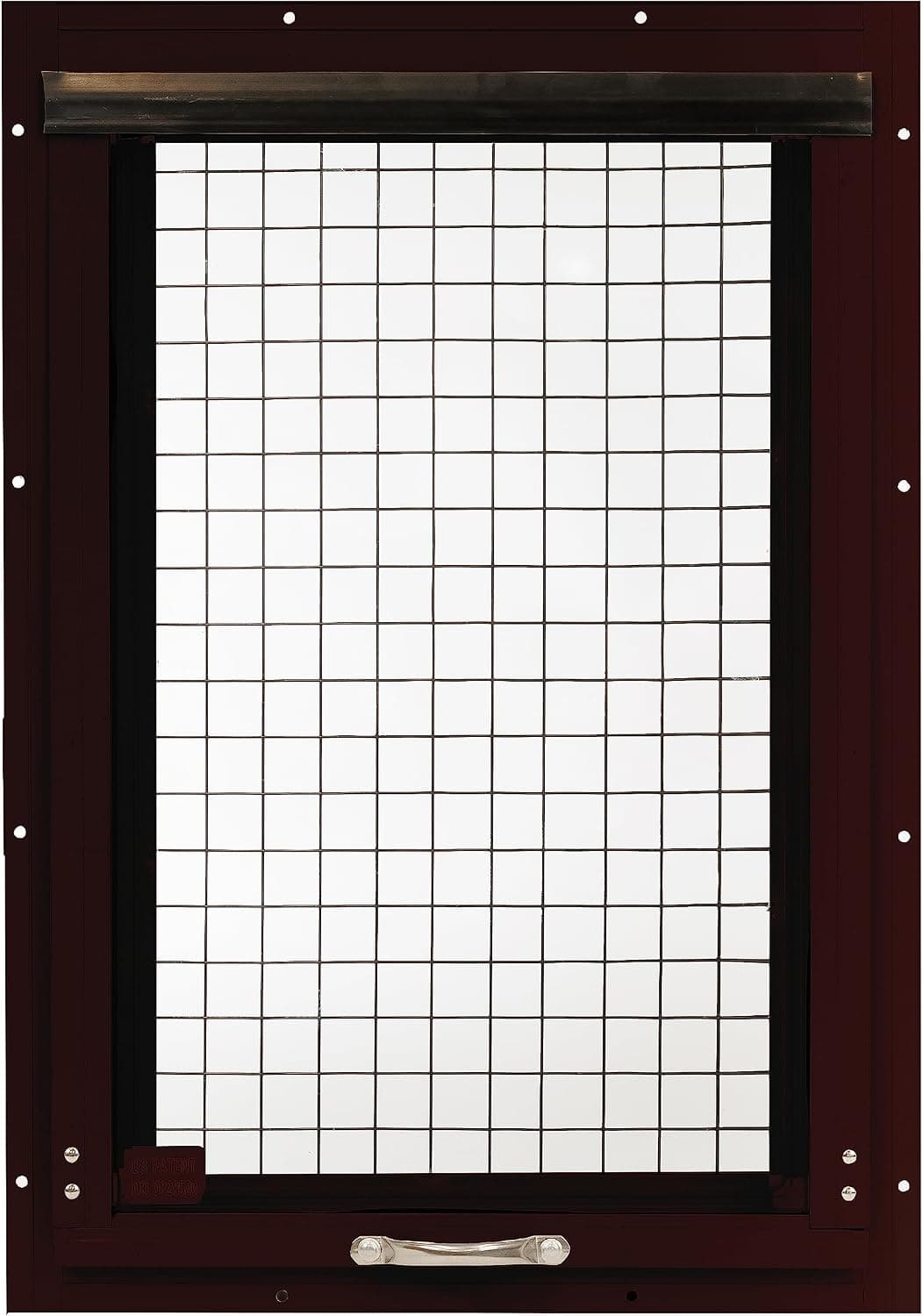
+ Tilt-out opening lets air in while keeping rain off the sill
From our guide: Best Coop Windows and Vents
Popular right now
- Best Poop Trays for Under RoostsBuying guide
- How Much Space Chickens Need in the Coop and RunArticle
- Free Ranging Chickens SafelyArticle
- Composting Chicken Manure SafelyArticle
- Best Nesting Pads for Nest BoxesBuying guide
- The Deep Litter Method ExplainedArticle
Based on the last 28 days of search and visitor data.