Common Chicken Parasites and How to Prevent Them
Published How we research
Parasites are the most common health issue in backyard flocks and the one most likely to go unnoticed until birds are genuinely suffering. They rarely announce themselves. Instead you see a gradual decline: fewer eggs, paler combs, birds that seem restless at night, hens who stop wanting to go into the coop, and a slow loss of condition. Regular hands-on inspection is what catches this early, and prevention is far easier than treatment.
External parasites divide roughly into lice, mites and scaly leg mites. Poultry lice live on the bird permanently, feed on skin debris and feather fragments, and lay clusters of pale eggs cemented to feather shafts, usually around the vent and under the wings. Red mites, sometimes called roost mites, are the sneakier problem: they live in cracks in the coop woodwork during the day and come out at night to feed, so an inspection of the birds by daylight can look clean while the coop is heavily infested. Northern fowl mites live on the bird and cluster around the vent, often turning the feathers there dark and greasy. Scaly leg mites burrow under the scales of the legs and feet, lifting them and producing a thickened, crusted appearance.
Inspection is straightforward. After dark, take a torch to the coop and look at the underside of the roost bars, the joints, the ends of perches and the crevices in nest boxes, running a white cloth or tissue along them; red or dark smears mean mites. By day, pick up a bird and part the feathers around the vent, under the wings and at the base of the tail in strong light. Look for movement, clusters of eggs at the feather base, scabs or reddened skin. Check the legs for raised or crusty scales. Weigh or feel the breastbone occasionally, since weight loss is an early sign of a parasite load.
Internal parasites, mainly various worms, are harder to detect visually. Signs can include weight loss despite good appetite, a drop in laying, pale combs, diarrhoea, and occasionally visible worms in droppings. The responsible way to manage internal parasites is not to worm the flock routinely on a schedule, but to have a faecal sample tested and treat only when there is evidence of a problem. Your veterinarian or extension service can arrange a faecal egg count, and any deworming product must be chosen and dosed by a professional, with correct egg withdrawal guidance. Do not use dosing advice found online, since products, concentrations and legal rules vary by country and misuse both harms birds and risks residues in eggs.
Prevention rests on a handful of unglamorous habits. Keep bedding dry and clean, because damp litter favours parasites and their intermediate hosts. Clean under the roosts regularly and do a thorough coop clean-out on a schedule that suits your bedding system. Seal or fill deep cracks in the woodwork where red mites hide, since a smooth surface is much easier to keep clean than rough timber. Quarantine every incoming bird for at least two to four weeks and inspect it carefully, because most infestations arrive on new stock. Discourage wild birds from the run, as they bring both parasites and disease.
Dust bathing is the flock's own defence and it works. Chickens work dry loose material through their feathers to smother and dislodge parasites, and a bird denied a dust bath is far more likely to build up a load. Provide a dry, sheltered area of loose soil or sand that stays usable in wet weather, deep enough that the birds can dig into it. Many keepers put it under cover in the run so it is available year round. This costs nothing and is one of the highest-value things you can offer.
When you do find parasites, act quickly and get proper guidance. Infestations escalate fast, red mite populations in particular can explode in warm weather, and heavy loads cause anaemia that can kill birds. Treatment usually involves treating both the birds and the housing, often repeated to catch newly hatched stages. Product choice, safety around eggs and legal availability differ widely by region, which is exactly why this is a conversation for a poultry veterinarian or your local extension service rather than a guess.
Products from this article
The highest-scoring picks from the buying guides mentioned above. Scores are our editorial assessment, not customer ratings.
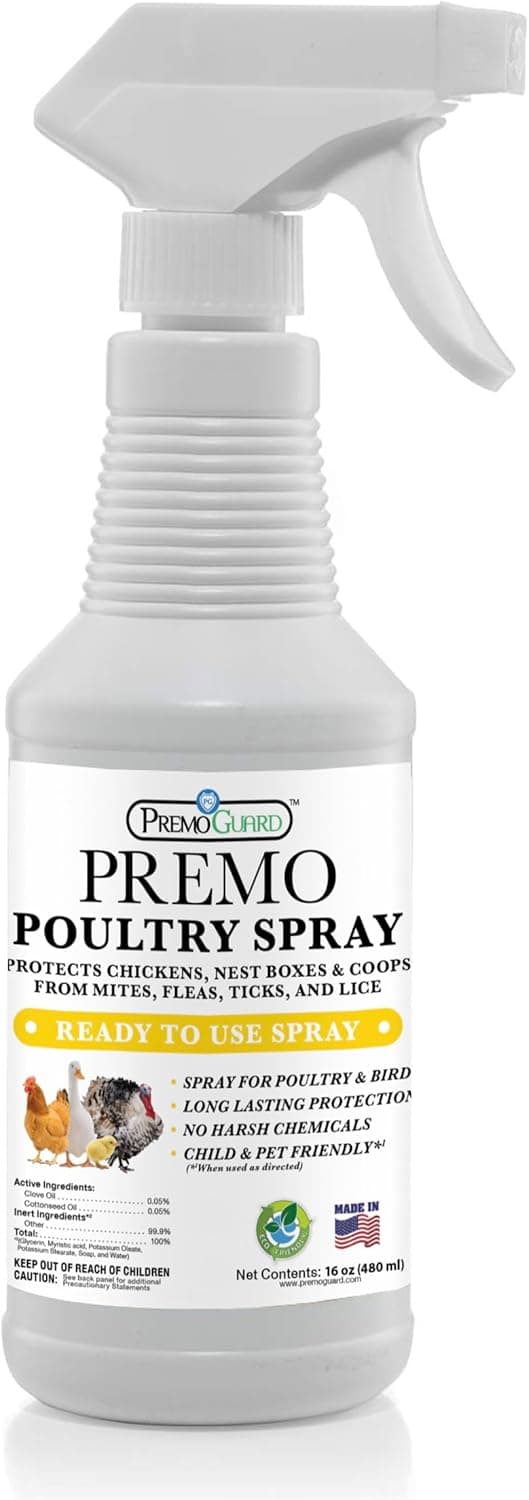
+ No egg withdrawal means you can keep collecting eggs during treatment
From our guide: Best Mite and Lice Treatments for Chickens and Coops
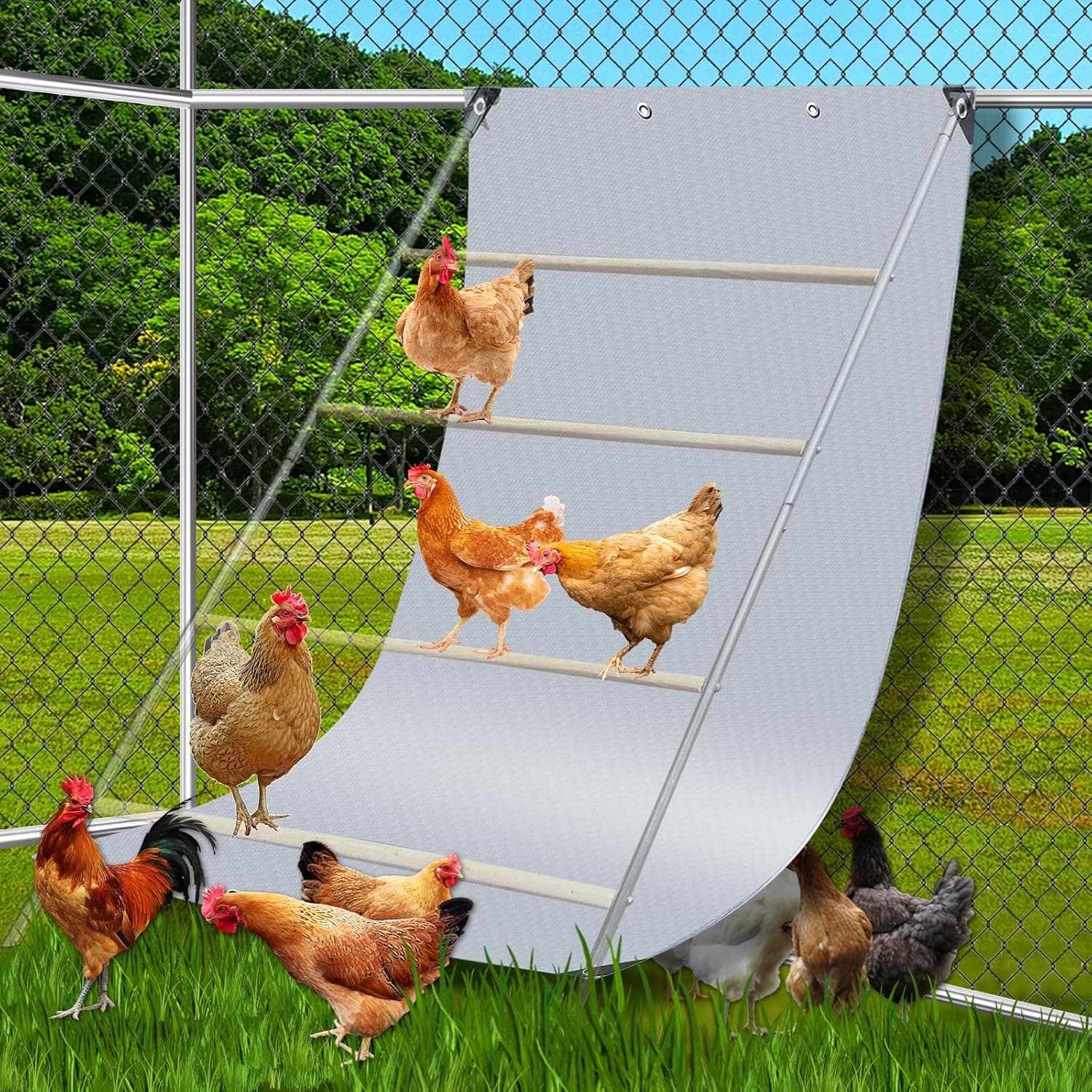
+ Hangs under the roost so overnight droppings stay off the bedding
From our guide: Best Poop Trays for Under Roosts
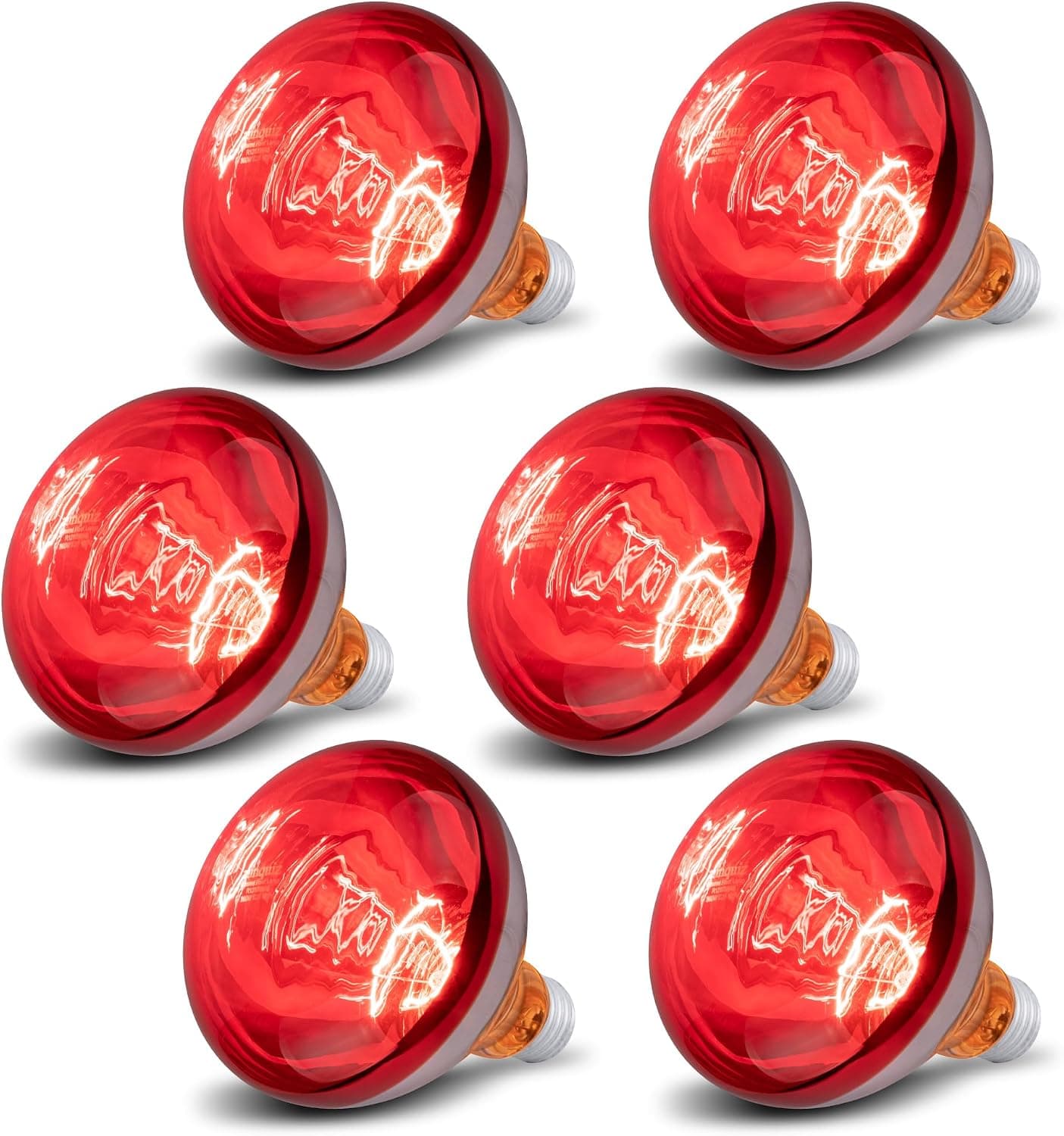
+ 6 Pack means spare bulbs are ready when one burns out mid-brood
From our guide: Best Heat Lamps for Chicks (and Safer Alternatives)
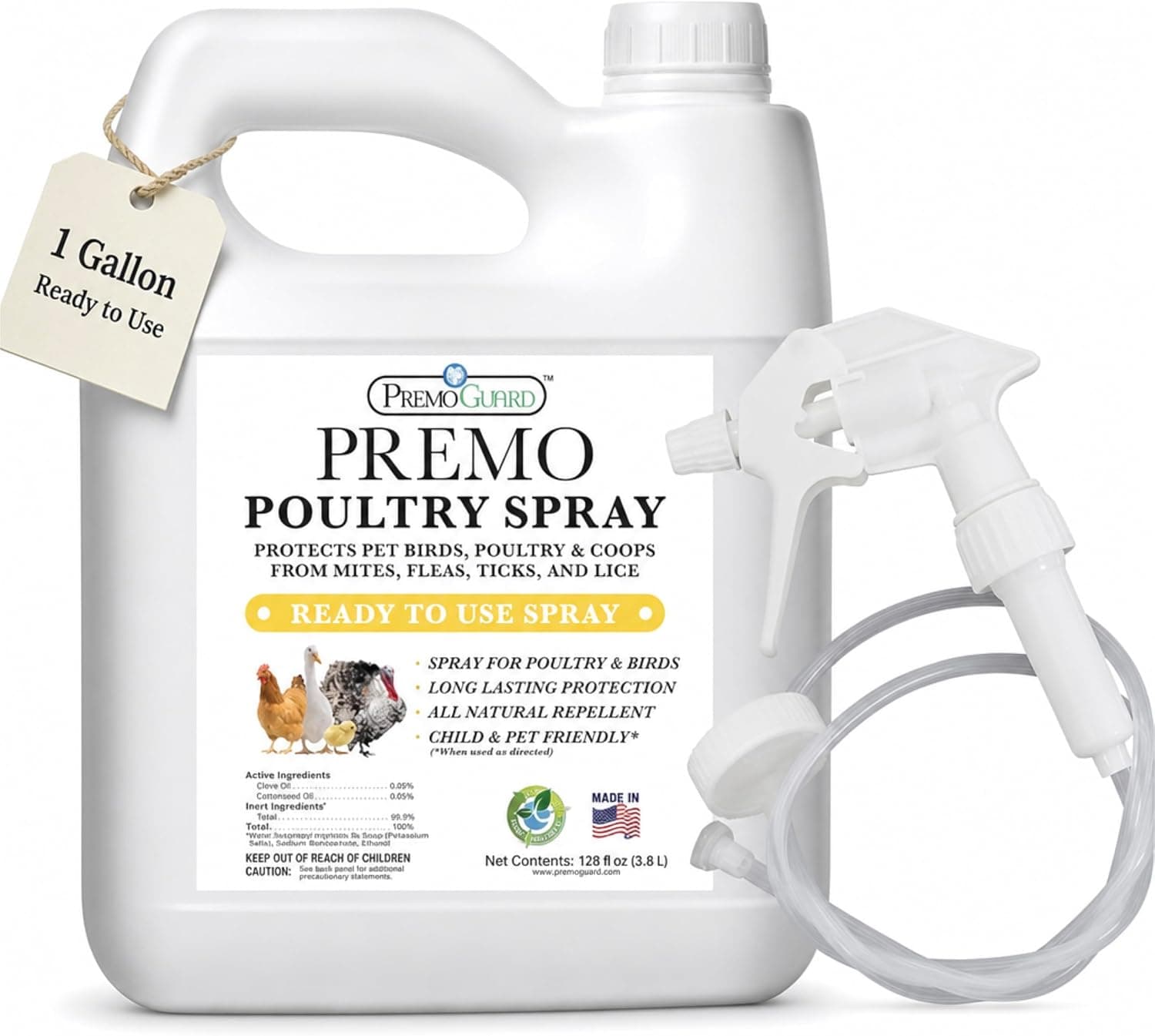
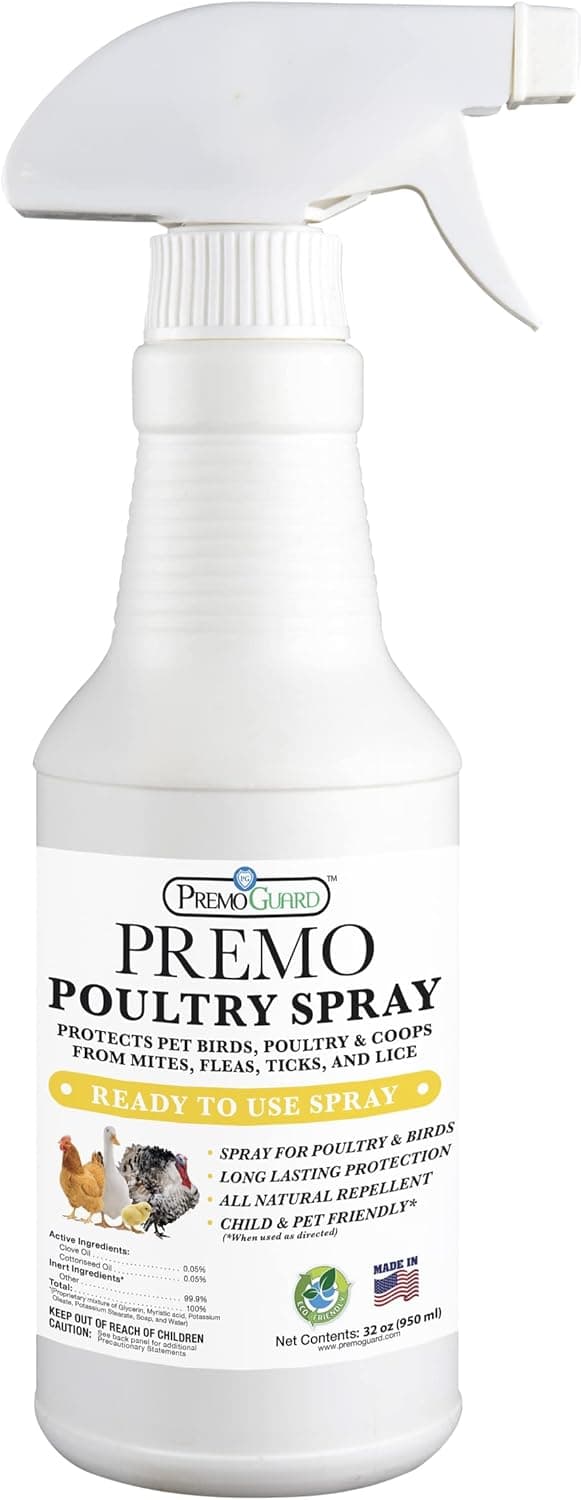
+ 32 oz bottle treats both the flock and coop surfaces
From our guide: Best Mite and Lice Treatments for Chickens and Coops
Popular right now
- Best Poop Trays for Under RoostsBuying guide
- How Much Space Chickens Need in the Coop and RunArticle
- Free Ranging Chickens SafelyArticle
- Composting Chicken Manure SafelyArticle
- Best Nesting Pads for Nest BoxesBuying guide
- The Deep Litter Method ExplainedArticle
Based on the last 28 days of search and visitor data.