Choosing Chicken Breeds for Eggs
Published How we research
If eggs are the goal, breed choice makes a real difference, but not always in the way catalogues suggest. Peak laying rate is only one variable, and for a backyard flock it is often less important than temperament, hardiness, how long a hen keeps producing and how well she copes with your climate. A useful way to choose is to decide what kind of keeper you are first, then pick birds that match.
The highest-output birds are the commercial hybrids, sold under names such as Golden Comet, ISA Brown, Red Star, Lohmann Brown and various sex-link crosses. They are bred for feed efficiency and lay a great many brown eggs, they start early, and they are usually calm and easy to handle. The trade-off is that intensive laying is hard on a body. Hybrid layers commonly slow down sooner than heritage breeds and are more prone to reproductive problems as they age. If you want the maximum number of eggs from a small flock in the first two years, they are hard to beat. If you want hens that potter around the garden for six or seven years, look elsewhere.
Heritage dual-purpose breeds are the classic backyard compromise. Rhode Island Reds, Plymouth Rocks, Sussex, Wyandottes, Australorps and Orpingtons lay well without laying themselves out, tolerate weather swings, and generally have steady temperaments. Production is somewhat lower than a commercial hybrid, but it holds up better over the years and the birds tend to be more robust. Within these breeds, individual strains vary a lot, so a Rhode Island Red from a production-focused hatchery will out-lay one from an exhibition line.
The Mediterranean breeds, notably Leghorns, Anconas and Minorcas, are the white-egg specialists. They are outstanding layers and very feed-efficient, but they are typically flighty, fast, unwilling to be picked up and inclined to fly over fences. Their large single combs are also more vulnerable to frostbite in hard winters. For a keeper who wants eggs and does not need cuddly birds, they are excellent value. For a family with small children hoping to hold the chickens, they are usually a poor fit.
Egg colour is fun and worth planning for, but understand what you are buying. Blue eggs come from Araucanas, Ameraucanas and their descendants; the widely sold Easter Egger is a mixed bird that may lay blue, green, olive or brown. Dark chocolate-brown eggs come from Marans and Welsummers, though shade varies between individuals and fades over the laying season. Cream Legbars lay blue and have the practical advantage of being auto-sexing as chicks. These breeds generally lay fewer eggs per year than a production hybrid, so a mixed basket costs you some volume.
Climate and management style matter more than most people expect. In cold regions, prefer birds with small combs, such as rose-comb varieties, Chanteclers, Wyandottes and Buckeyes, since large single combs are the first thing to suffer frostbite. In hot regions, lighter-bodied Mediterranean breeds shed heat better than fluffy heavy breeds like Orpingtons and Brahmas. If your birds free range, choose alert active foragers; if they are confined, choose calmer breeds that tolerate close quarters without feather picking.
A practical approach for a first flock is a mix of three or four dual-purpose breeds of different colours, which gives you steady production, easy handling, and the ability to tell your hens apart. Add one or two novelty layers if coloured eggs appeal to you. Whatever you choose, remember that management drives production at least as much as genetics: a well-fed flock with clean water, fourteen or more hours of light, low stress, no parasites and enough space will out-produce a supposedly superior breed kept poorly.
Products from this article
The highest-scoring picks from the buying guides mentioned above. Scores are our editorial assessment, not customer ratings.
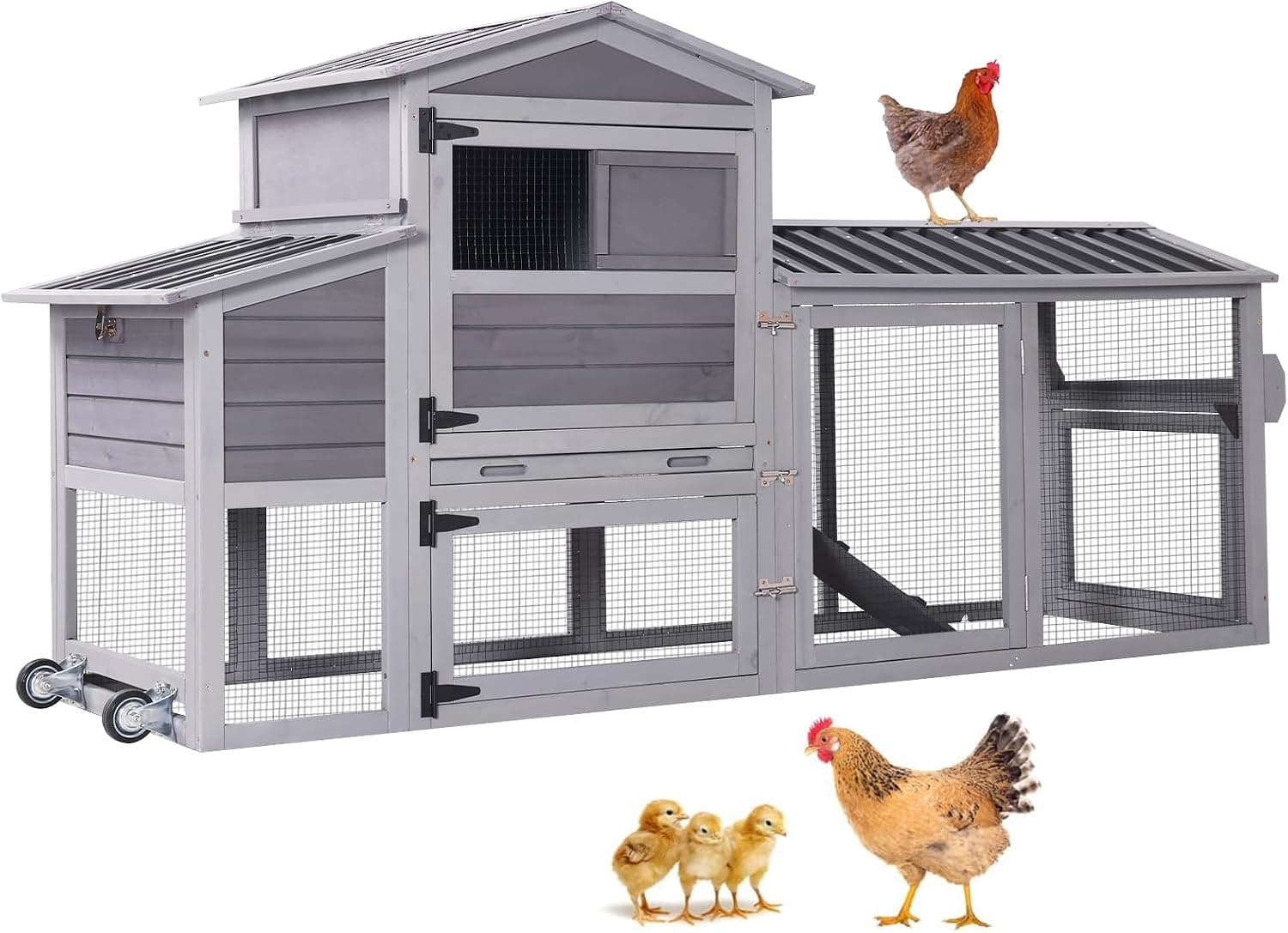
+ Wheels let you shift the coop to fresh grass and spread wear on the lawn
From our guide: Best Chicken Coops for Backyard Flocks
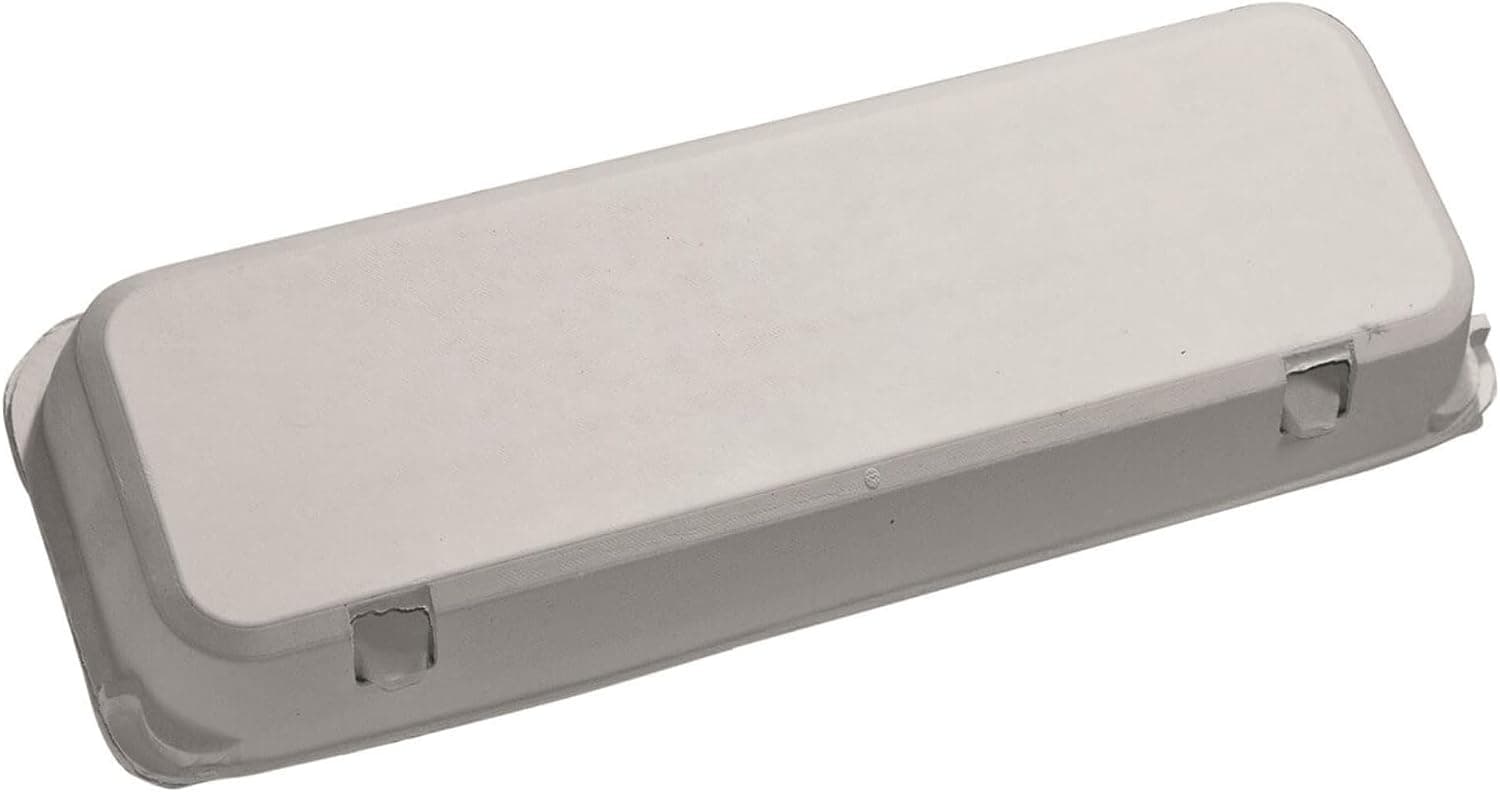
+ 250 Pack drives the cost per carton very low
From our guide: Best Egg Cartons for Storing and Selling Farm Eggs
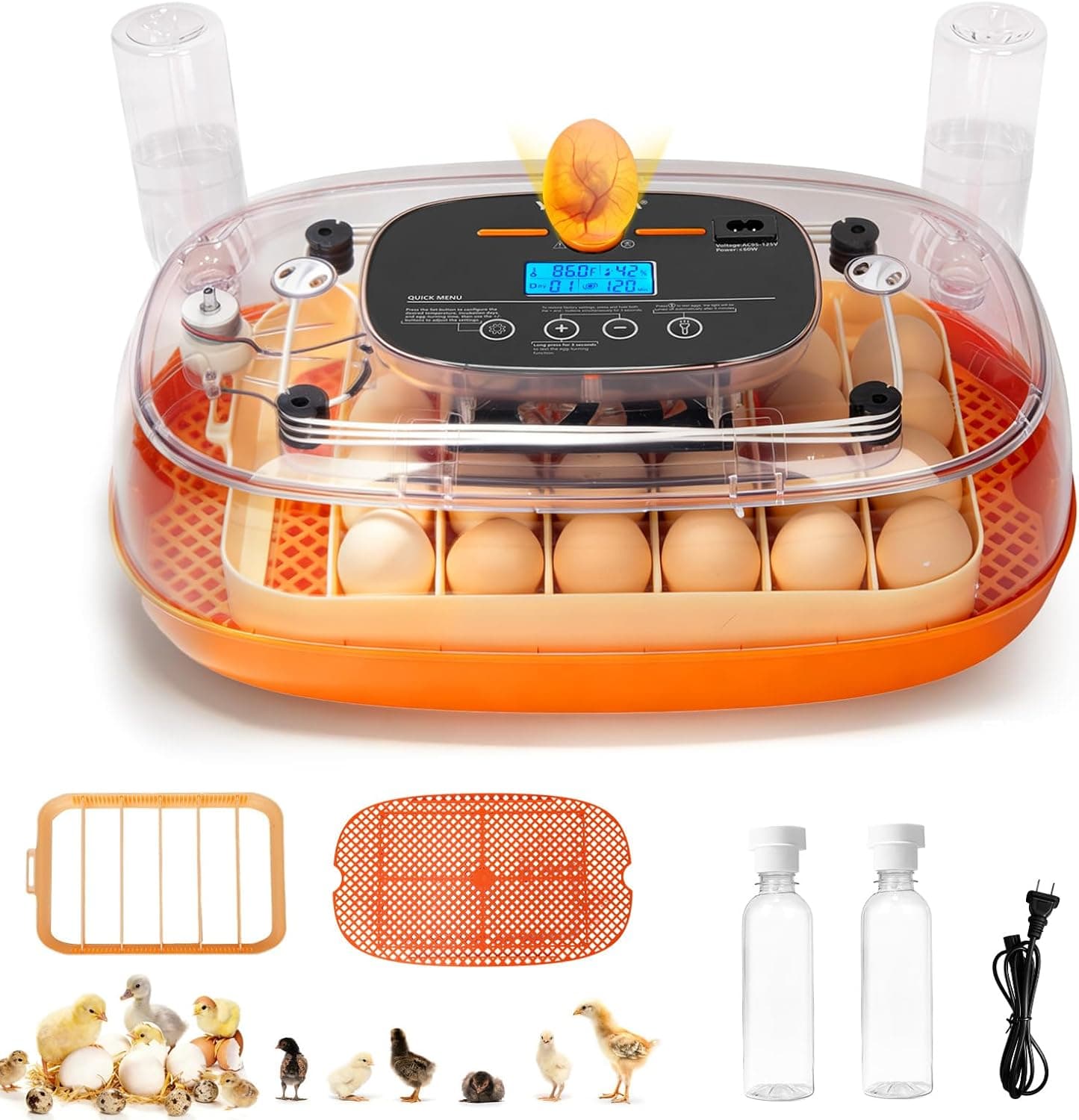
+ 24 Egg capacity suits keepers building a flock from a single hatch
From our guide: Best Egg Incubators for Home Hatching
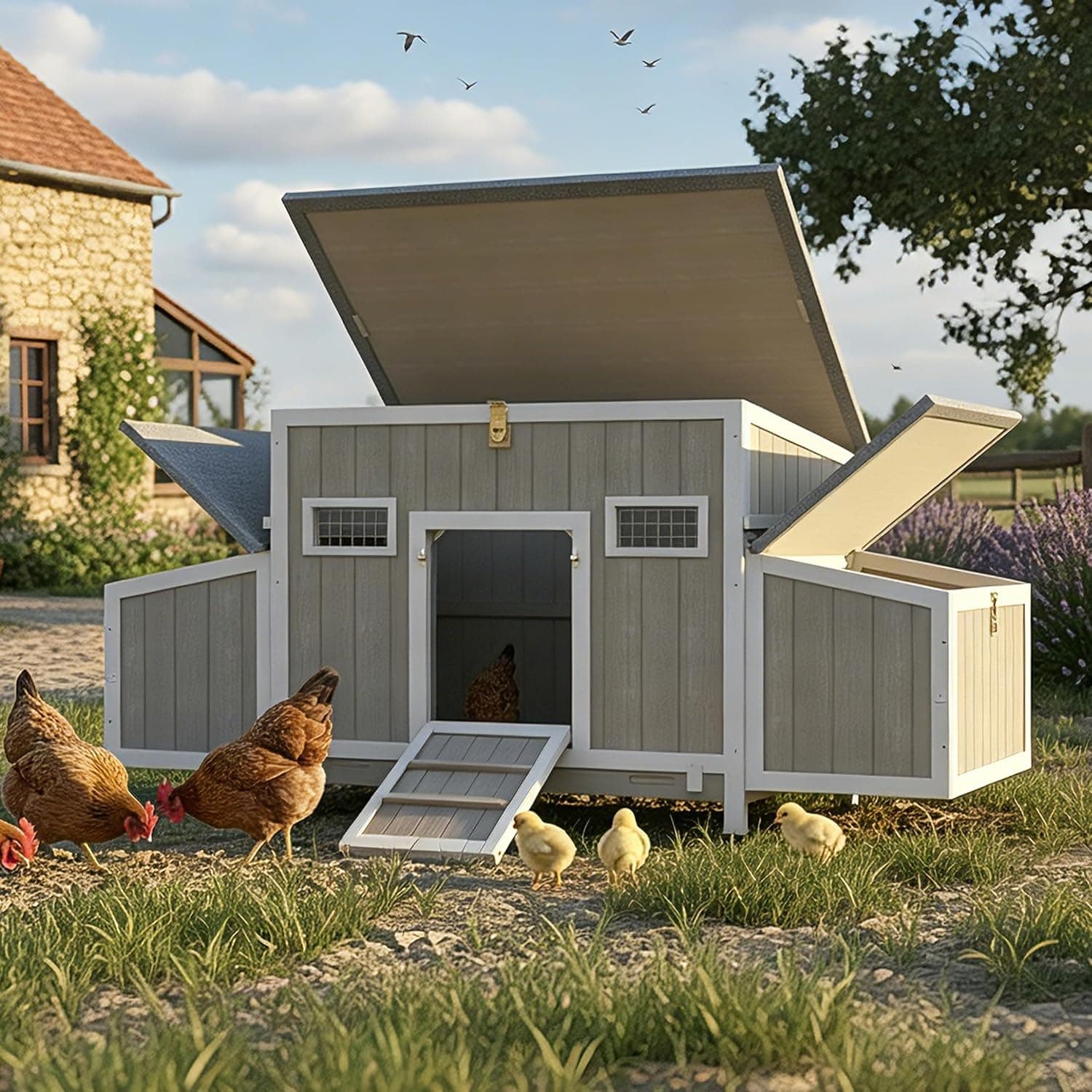
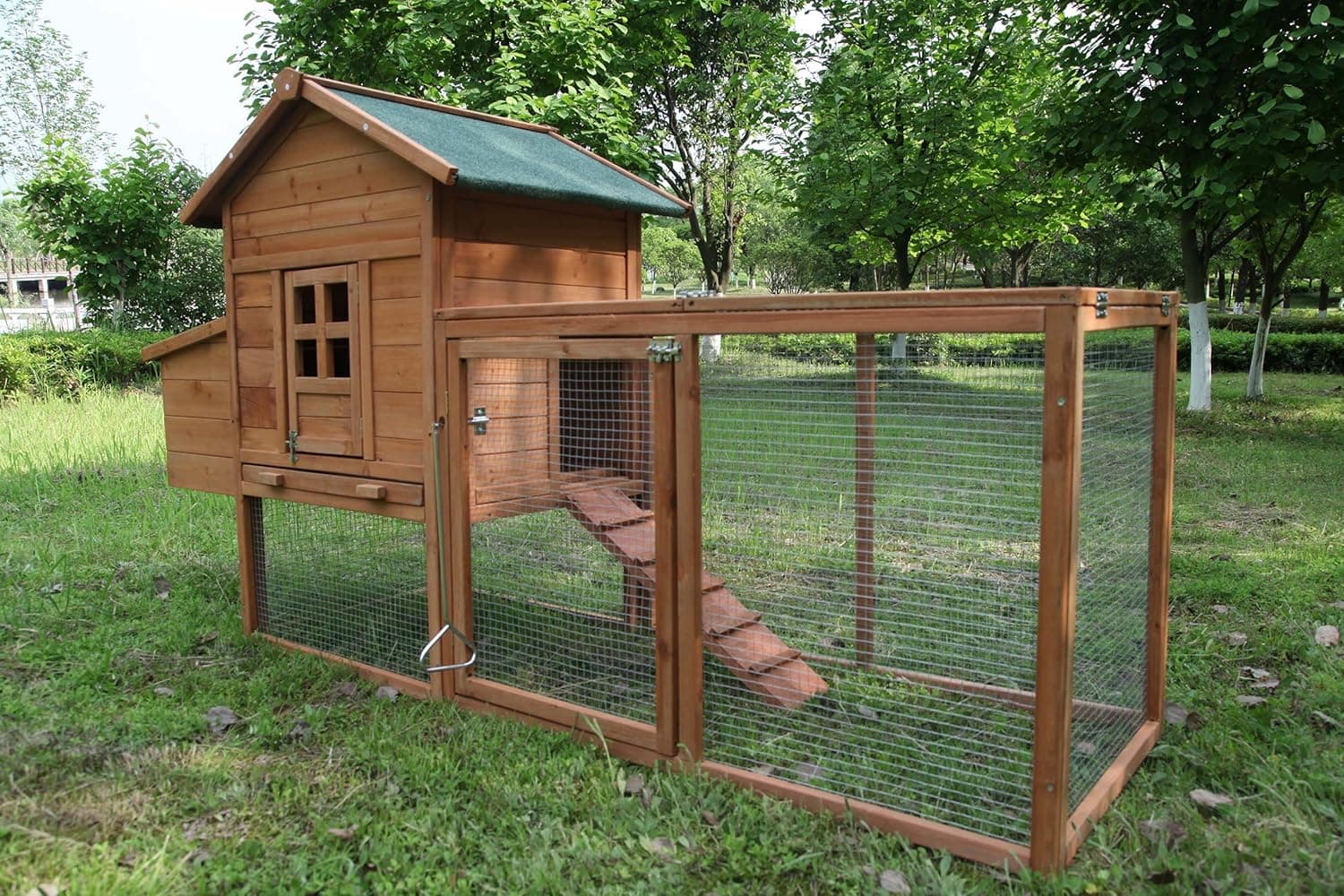
+ Asphalt roof sheds water better than bare wood roofs on budget coops
From our guide: Best Chicken Coops for Backyard Flocks
Popular right now
- Best Poop Trays for Under RoostsBuying guide
- How Much Space Chickens Need in the Coop and RunArticle
- Free Ranging Chickens SafelyArticle
- Composting Chicken Manure SafelyArticle
- Best Nesting Pads for Nest BoxesBuying guide
- The Deep Litter Method ExplainedArticle
Based on the last 28 days of search and visitor data.