Blank 12-Egg Flat Top Paper Pulp Carton - Bulk Egg Cartons, 250 Pack Review (2026)
Updated September 14, 2026 · Research-based review
Our verdict
This 250 pack of blank flat top pulp egg cartons is built for backyard sellers and small farm stands moving a steady volume of eggs, not for a family keeping four hens for themselves. The main strength is the low per-carton cost at bulk volume, and the trade-off is a large box that needs dry indoor storage until it is used up.
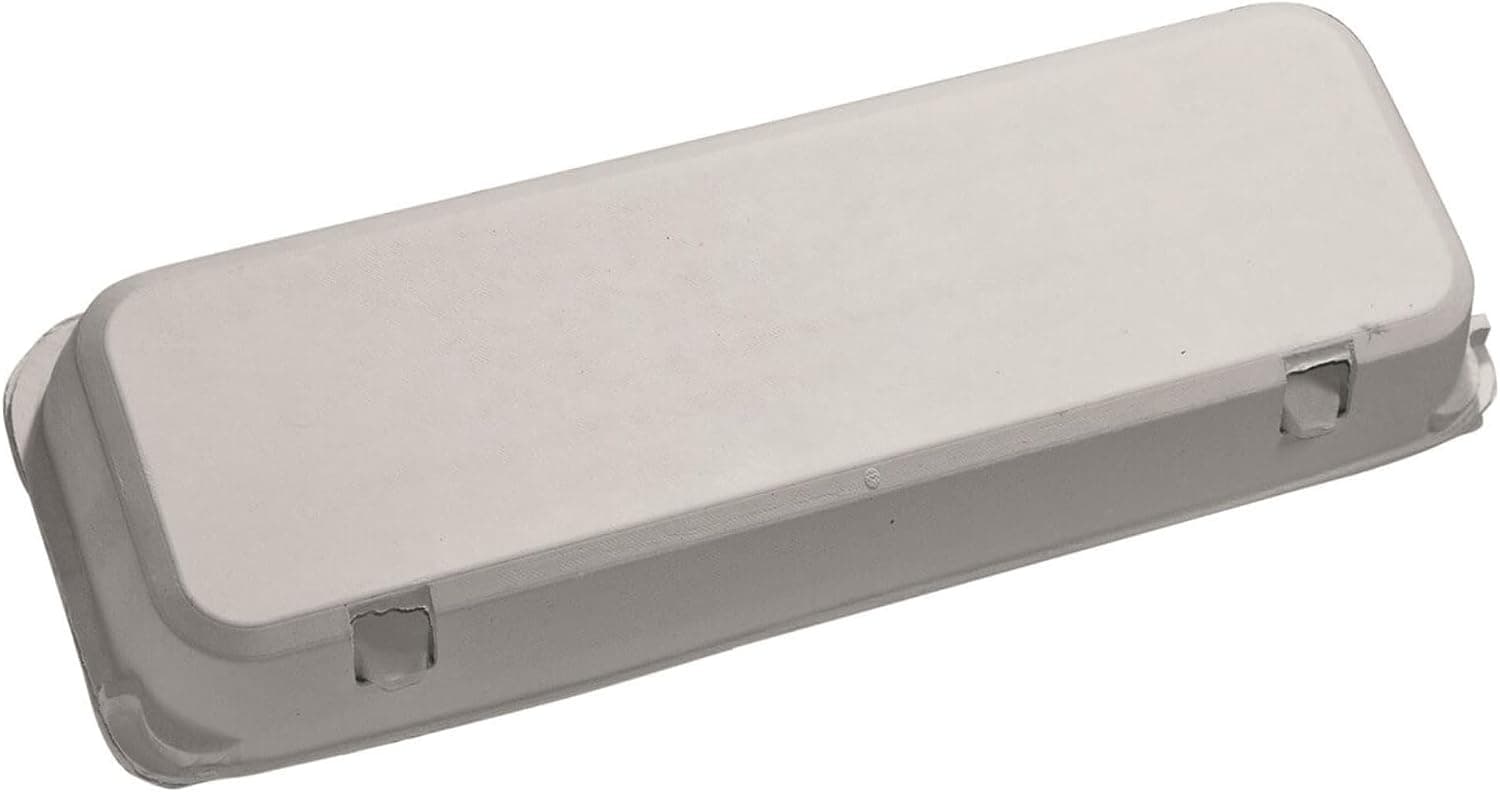
A bulk 250 Pack of blank 12-Egg flat top paper pulp cartons, for keepers selling or sharing lots of eggs.
Price range: $ (Budget)
What we liked
- + 250 Pack drives the cost per carton very low
- + Blank flat top leaves room for your own labels or stamps
- + Paper pulp is recyclable and compostable after use
Trade-offs
- - Big box needs dry storage so cartons do not go soft
- - Far more cartons than a small family flock will use
Who a 250 pack of blank cartons fits
This carton is aimed squarely at keepers who sell or give away eggs regularly, whether at a farm stand, a farmers market table, or a standing list of neighbors and coworkers who buy a dozen a week. At 250 units, the box only makes sense once a flock is laying consistently enough to fill and move that many cartons within a reasonable stretch, since paper pulp can soften if it sits too long in a humid space. A family with three or four hens producing a couple dozen eggs a week will likely find this pack far larger than needed and would do better with a 25 or 50 count option from the same style of carton. For anyone scaling up a backyard egg business or supplying a small co-op, the bulk pricing that comes with a 250 count box is the whole appeal.
What the flat top pulp design offers
Each carton holds a standard dozen eggs and is made from recycled paper pulp, typically recycled newsprint and reclaimed fibers pressed into a molded flat top shape rather than the domed lids seen on some styles. The flat top leaves a wide, smooth panel on the lid, roughly a ten by two and five eighths inch area, that is left completely blank so a seller can add a stamp, a printed label, or handwriting with farm name, date, or price. Being unprinted also means there is no nutrition panel, grading claim, or barcode preprinted on the carton, which matters for small producers who are not permitted to use USDA grade language on their own eggs. Because the material is pulp rather than plastic, the carton is recyclable, biodegradable, and can go into a compost pile once it is worn out from reuse.
Storing and using a bulk box day to day
Because 250 cartons arrive as one large case, the practical challenge is less about using them and more about storing them until they are needed. Pulp cartons absorb moisture from humid air, so keeping the box in a dry indoor space such as a mudroom, garage shelf, or closet rather than a damp coop shed will keep the cartons crisp and easy to close. Many keepers label a batch at a time rather than stamping the entire box up front, since custom labels or stamps are simplest to apply just before filling a carton with eggs for a specific buyer or market day. The cartons can also be reused by customers who return them, which is common practice among small egg sellers and stretches the value of the bulk pack further.
How it compares with smaller packs and plastic options
This carton ranks first of eight in our egg carton guide with our score of 8.8 out of 10, ahead of a 125 count version of essentially the same blank pulp carton with nutrition facts preprinted, and well ahead of clear plastic cartons and smaller pulp packs from other sellers. Against that 125 pack rival, the core trade-off is simply volume versus flexibility, since the smaller box is easier to store and suits a seller who is not yet moving a full 250 eggs. Compared with clear plastic egg cartons, this pulp version is more affordable at bulk quantities and easier to dispose of responsibly, though plastic lets a shopper see the eggs before buying. Sellers who want a nutrition facts panel or a barcode preprinted rather than a fully blank lid should look at the pulp cartons in this lineup made specifically with that information included.
Bottom line and who should choose differently
For a seller consistently filling and selling two hundred or more dozen eggs before the cartons would sit long enough to soften, this bulk blank pack earns our score of 10 out of 10 for value and is a straightforward way to keep packaging costs down. Anyone with a small hobby flock producing only a dozen or two eggs a week should instead choose a 25 or 50 count version of a similar blank pulp carton, since a 250 pack will likely outlast its useful shelf life before it is fully used. Sellers who want preprinted nutrition information or safe handling text on the lid, rather than a blank panel for their own label, should also look at a printed version of this same carton style instead.
Frequently asked questions
Does this carton come with any printing on it?
No, it is a fully blank flat top carton with no nutrition facts, grading language, or barcode, leaving the lid open for your own label or stamp.
What egg sizes fit in this carton?
The cells are sized for small through extra large eggs, roughly 42 to 63 grams each, which covers most standard backyard chicken breeds.
How should I store a 250 pack until I use it all?
Keep the box in a dry indoor space rather than a humid coop or shed, since paper pulp can soften and lose shape if it absorbs moisture over time.
Is a 250 pack too many cartons for a small backyard flock?
For most small flocks producing a dozen or two eggs a week, yes, a smaller 25 or 50 count pack of the same blank pulp carton is usually a better fit.
Prices change often, so check the current price and availability on Amazon.
Check price on AmazonChicken Coop Nest may earn a commission from the link above.