How to Stop Chickens Pecking Each Other
Published How we research
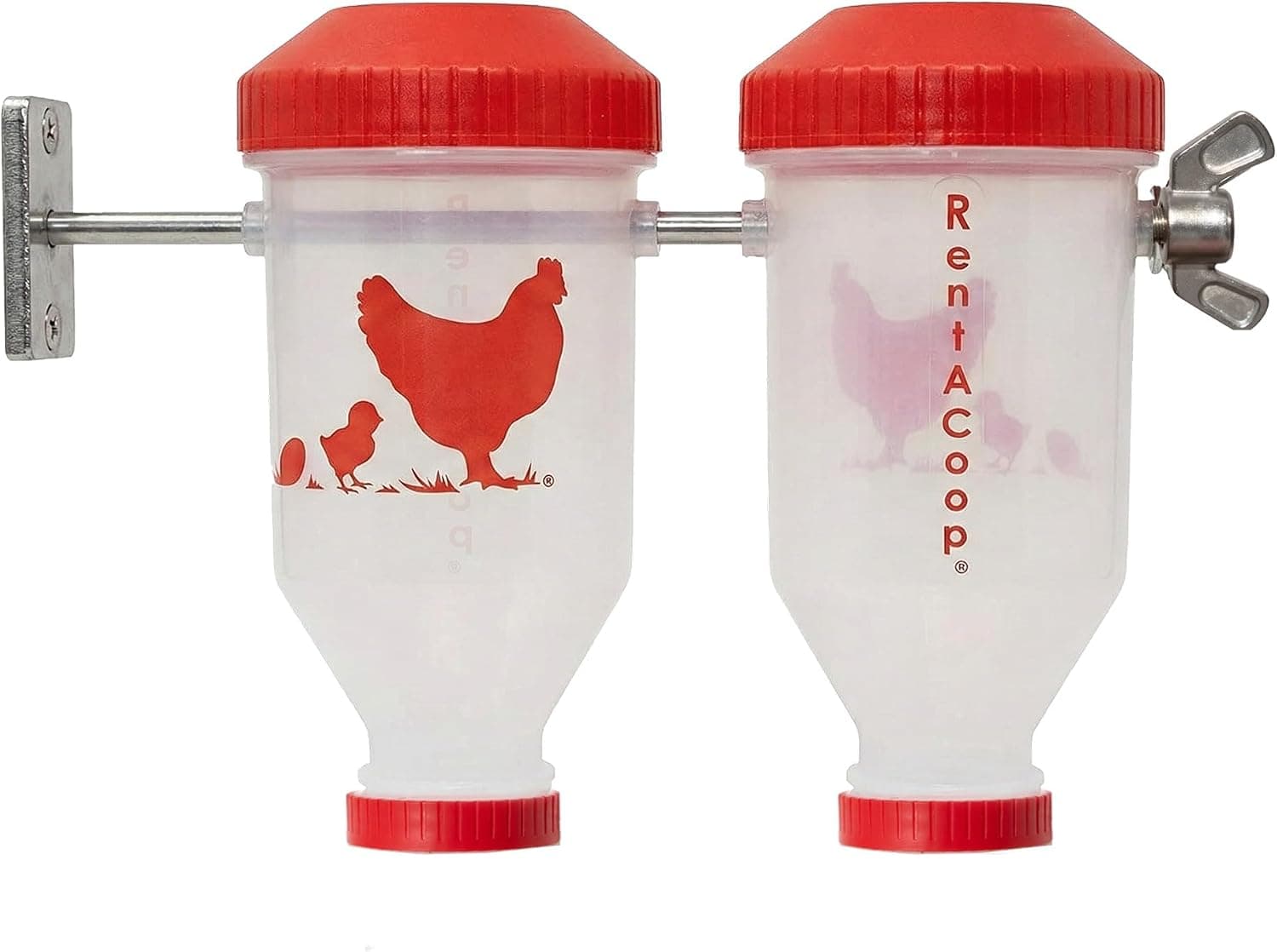
Some pecking is normal in a flock, since chickens establish a pecking order and occasionally squabble over food or space. Persistent feather pulling, bald backs and bleeding wounds are a different matter. Chickens are attracted to the colour red and may keep pecking at a wound, which can turn a small injury into a serious one quickly. Finding the underlying cause and separating injured birds are both important.
Separate injured birds first
If a hen has an open or bleeding wound, move her to a separate pen or crate within sight of the flock as soon as possible. Other chickens can be drawn to the red colour of blood and keep pecking, which can cause severe injury.
Clean wounds with a poultry-safe wound wash and consider an anti-peck spray that discourages pecking once she returns. Seek advice from a vet experienced with poultry for deep or infected wounds, and allow her to heal fully before reintroducing her gradually.
Give the flock more space
Crowding is one of the most common causes of feather pecking. When chickens do not have enough room to move, forage and avoid dominant birds, stress builds and bullying increases.
Review coop and run space for your flock size, and add perches, platforms and visual barriers so lower-ranking hens can escape. Extra feeders and waterers spread out competition at mealtimes.
Reduce boredom
Chickens are natural foragers that spend much of the day scratching and pecking at the ground. In small, bare runs, they may redirect that behaviour toward each other's feathers.
Scatter scratch grains in bedding, hang a head of cabbage, provide a dust bath area and add stumps or logs to explore. Treat dispensers and pecking blocks give chickens a safe outlet for pecking behaviour.
Check protein and nutrition
Feather pecking can increase when chickens lack protein, particularly during molting, when birds need extra protein to regrow feathers. Chickens may eat feathers to obtain protein.
Feed a complete layer ration as the main diet rather than filling up on scraps and treats. During molt, a higher-protein feed or appropriate protein supplements can help.
Look for parasites and irritation
Mites and lice cause itching and feather damage, and irritated birds may peck at themselves and each other. Check under wings and around the vent for pests.
Treat infestations with poultry-safe products and clean the coop thoroughly. Regular dust bathing helps chickens manage parasites naturally.
Identify bullies
Sometimes one or two hens cause most of the damage. Observe the flock to identify bullies.
Temporarily removing a bully for a few days can lower her position in the pecking order when she returns. Persistent aggressive birds may need rehoming.
Products from this article
The highest-scoring picks from the buying guides mentioned above. Scores are our editorial assessment, not customer ratings.
+ Top-fill design makes loading scratch or seeds quick and tidy
From our guide: Best Chicken Treat Dispensers and Boredom Feeders
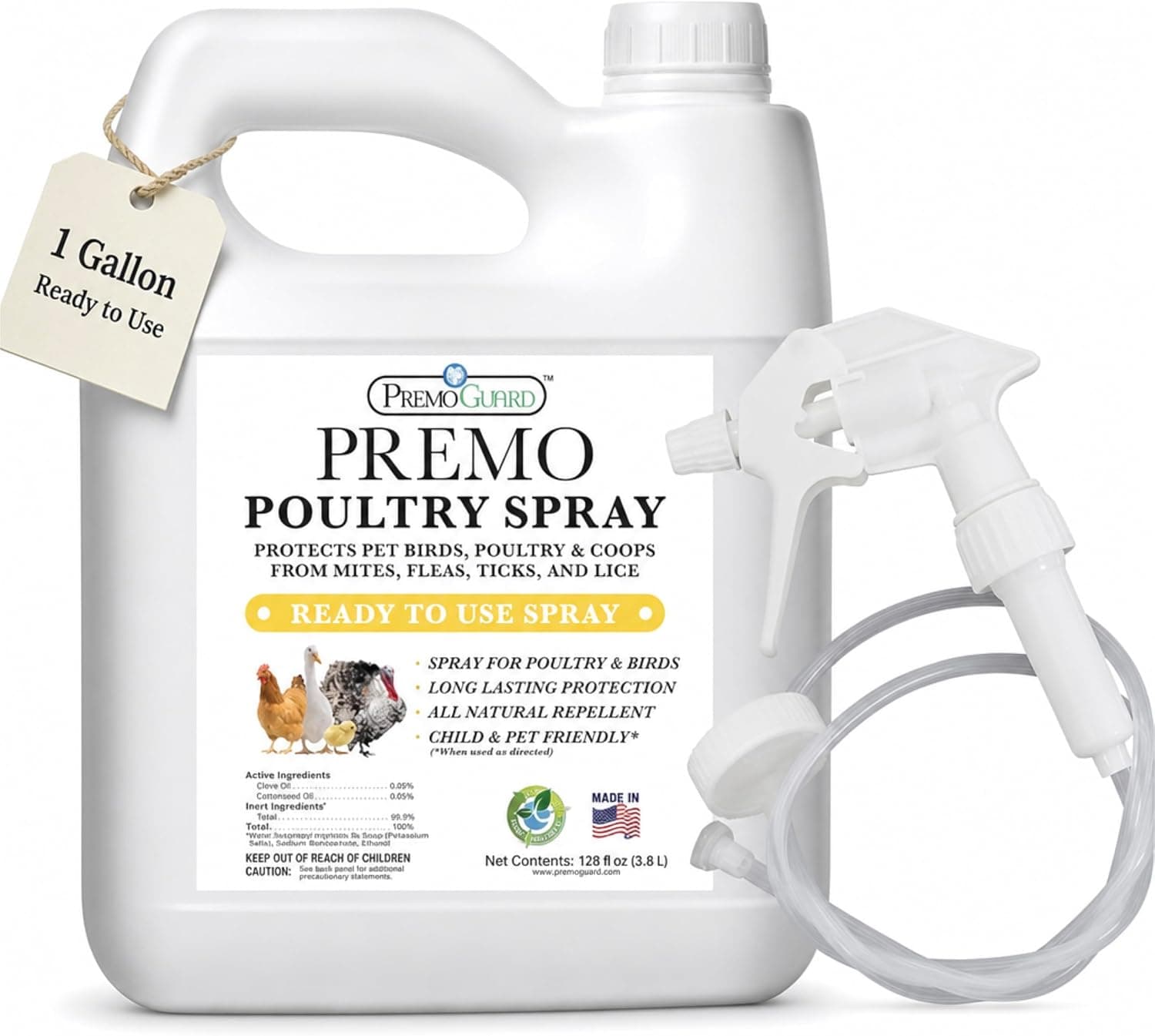
+ No egg withdrawal means you can keep collecting eggs during treatment
From our guide: Best Mite and Lice Treatments for Chickens and Coops
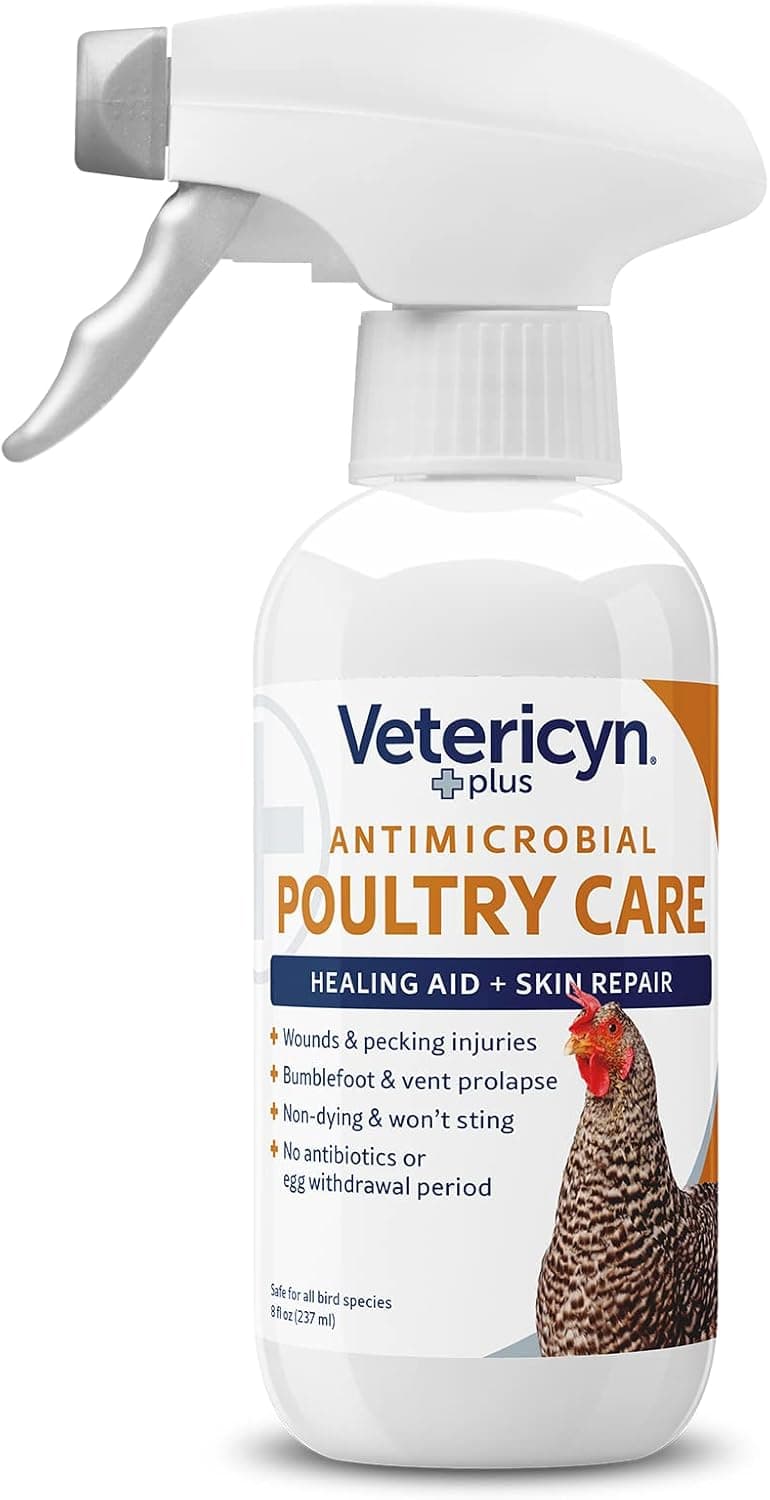
+ Treats pecking wounds, bumblefoot and vent issues in one bottle
From our guide: Best Poultry First Aid Supplies for a Coop Kit
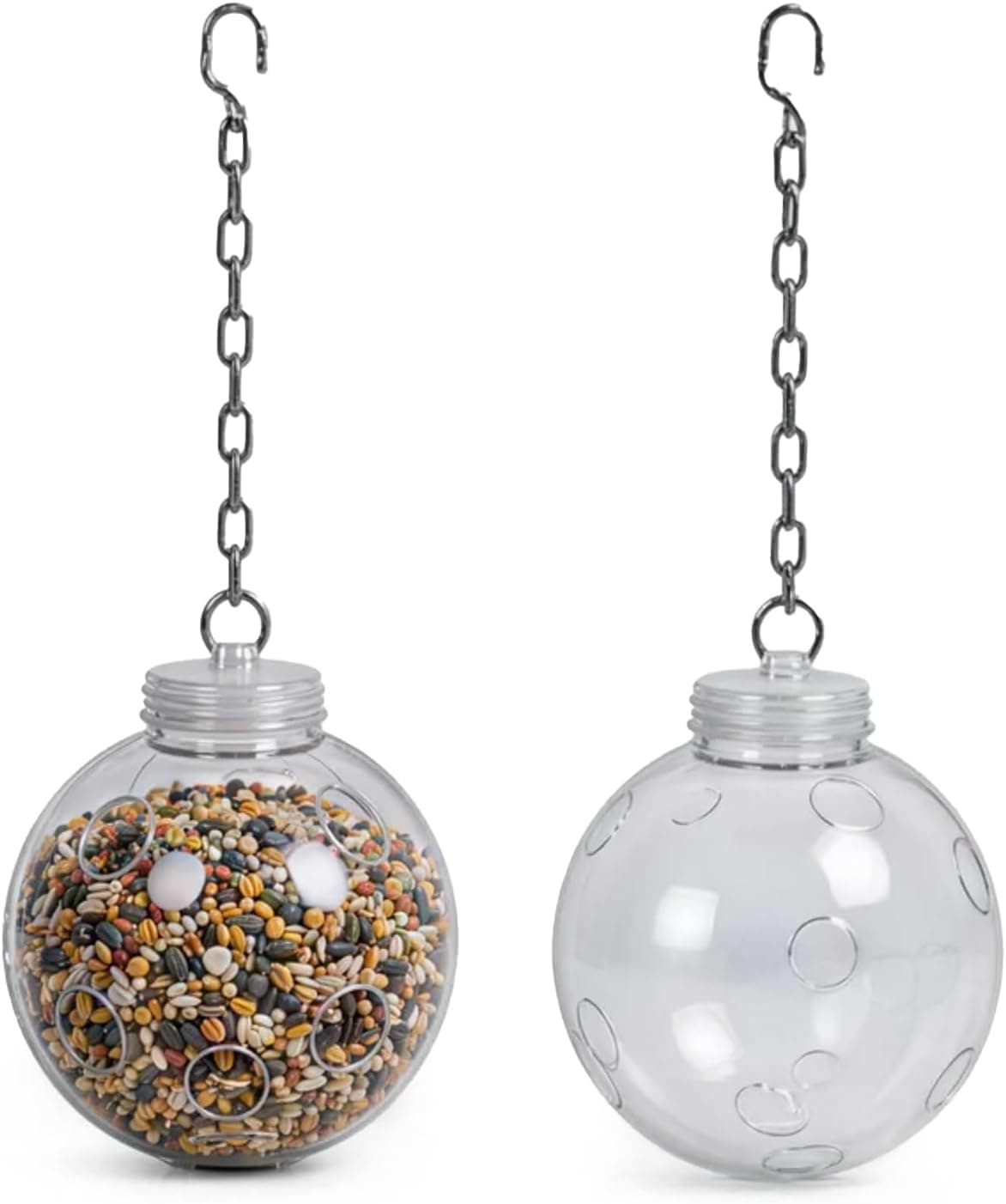
+ Slow feeding design stretches treat time and keeps hens active
From our guide: Best Chicken Treat Dispensers and Boredom Feeders
Popular right now
- Best Poop Trays for Under RoostsBuying guide
- How Much Space Chickens Need in the Coop and RunArticle
- Free Ranging Chickens SafelyArticle
- Composting Chicken Manure SafelyArticle
- Best Nesting Pads for Nest BoxesBuying guide
- The Deep Litter Method ExplainedArticle
Based on the last 28 days of search and visitor data.