Summer Heat Management for Chickens
Published How we research
Heat is more dangerous to chickens than cold. Birds have no sweat glands and shed heat mainly by panting and by radiating warmth through their combs, wattles and unfeathered legs. Once ambient temperature approaches their body temperature, those mechanisms stop working well. Heavy, densely feathered breeds, overweight birds, birds in full lay and anyone in a poorly ventilated coop are at the greatest risk, and a serious heat event can kill a flock in a single afternoon.
Learn the progression of heat stress so you can act early. A mildly hot bird holds her wings away from her body and stands with her beak slightly open. As the load increases she pants visibly, becomes lethargic, stops eating, and seeks the coolest ground she can find, often digging into shaded soil. Severe signs include rapid open-mouth breathing, a pale or bluish comb, staggering, unresponsiveness or collapse. Egg production drops and shells thin, because panting alters the bird's blood chemistry in ways that interfere with shell formation. A bird in severe distress needs immediate cooling and prompt professional advice from a poultry veterinarian.
Shade is the first and cheapest intervention. Chickens will not use a run with no cover during the hottest part of the day, and a coop in full sun becomes an oven. Shade cloth over the run, a tarp on the sunny side, a tree, a leaning sheet of plywood or even a table gives them somewhere to retreat. Shade over bare soil is better than shade over gravel or concrete, because the birds will scratch out a hollow and lie in the cooler earth underneath. Make sure the shaded area is large enough that no bird is excluded by a dominant hen.
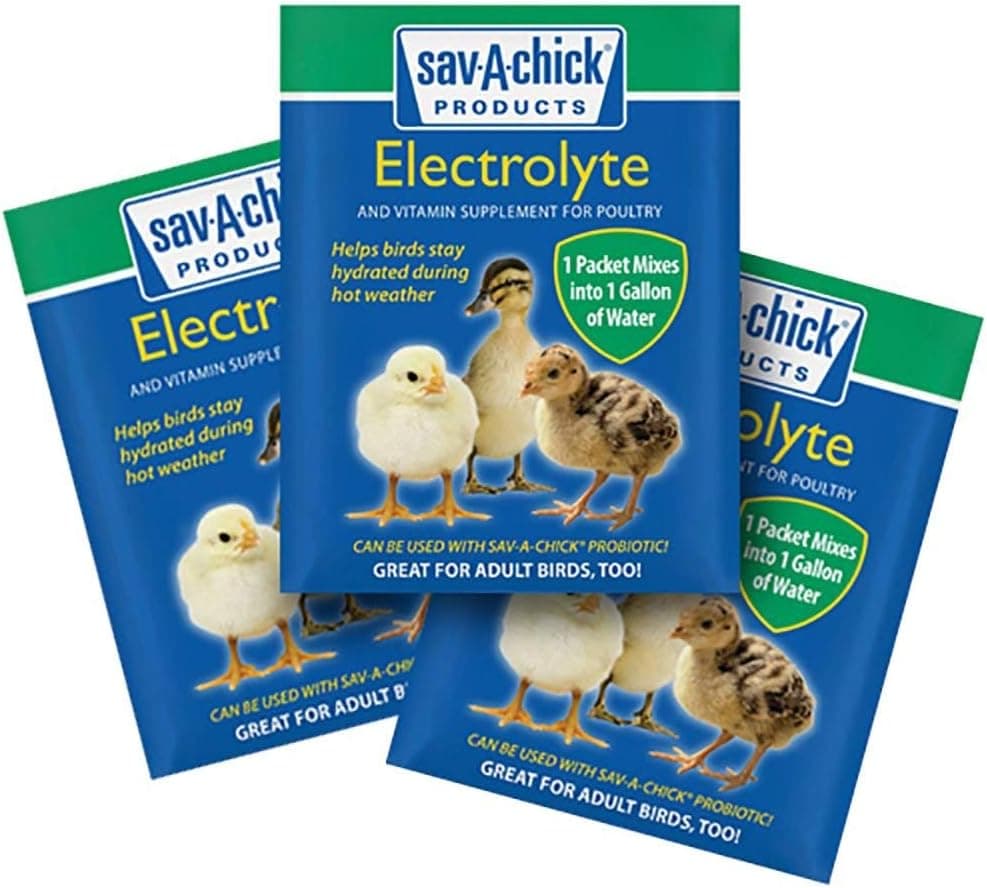
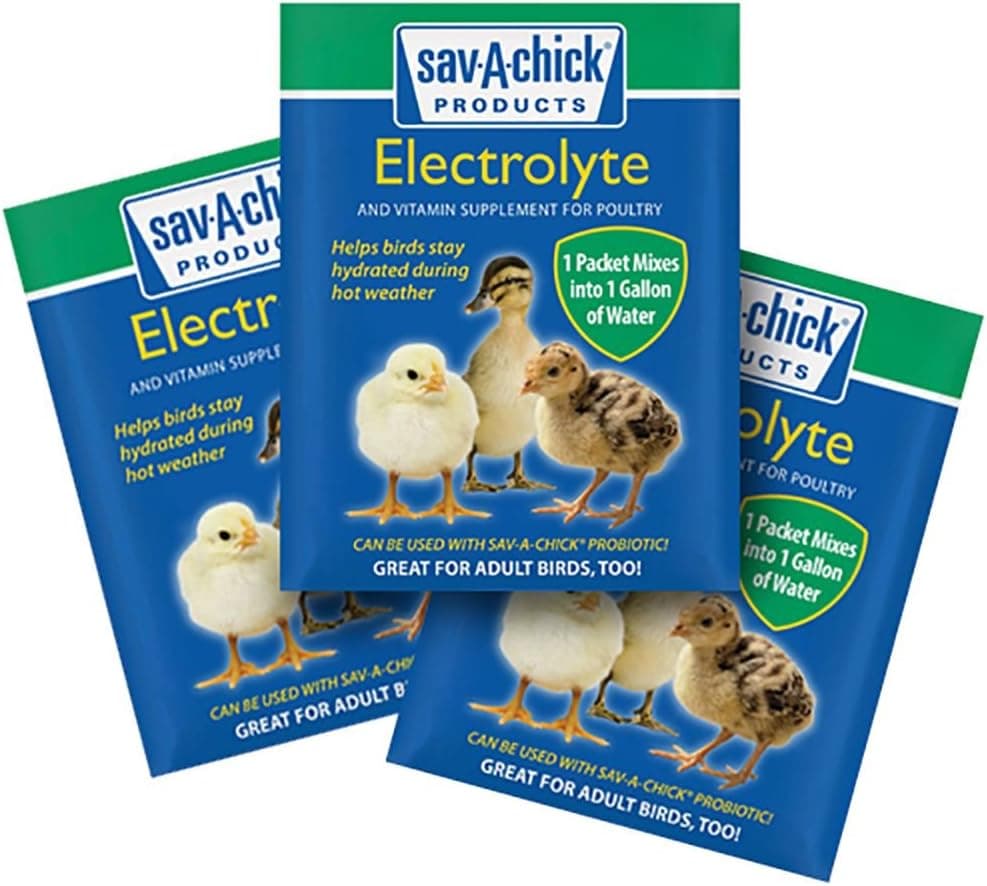
Water is the single most important thing you provide. Chickens drink several times more in hot weather, and intake drops sharply if the water is warm. Offer multiple water stations in shaded spots so no bird has to cross open sun or get past a bully to drink. Refresh often, add ice or frozen bottles during heat waves, and keep containers clean since warm water grows algae fast. Poultry electrolyte supplements can help during extended heat, used according to the label; plain fresh water should always be available alongside any supplemented water.
Airflow matters as much as shade. Open every window, prop the pop door, remove any winter draft blocking and, if you have power available, add a fan positioned to move air through the coop rather than blowing directly on birds at close range. Secure any fan well and keep cords out of reach. If the coop is small and dark, birds may be better off outside in a shaded run during the day, so make sure they can get out and that the run itself is secure.
Adjust feeding and handling around the heat. Digestion generates body heat, so many keepers feed the main ration in the early morning and evening when it is cooler, leaving feed available but expecting little interest at midday. Skip the high-energy scratch grains during heat waves. Cool treats such as chilled watermelon, cucumber or frozen berries are welcome and add water, but keep treats to a small share of the diet so the complete ration still supplies proper nutrition. Do not chase, catch or move birds in the heat of the day; do any handling at dawn or dusk.
A few extra measures help during genuine heat waves. Hose down the ground in shaded areas so the birds can stand on cool damp earth; wet soil evaporating is a real cooling effect, while spraying birds directly is stressful and can be counterproductive. A shallow pan of cool water lets birds stand in it and shed heat through their feet, which many will do voluntarily. Reduce stocking density in the shade if you can, and check the flock several times a day. Long term, plant shade, orient the coop out of full afternoon sun and, in genuinely hot regions, favour lighter-bodied breeds with large combs that dump heat efficiently.
Products from this article
The highest-scoring picks from the buying guides mentioned above. Scores are our editorial assessment, not customer ratings.
+ 9 Pack keeps enough doses on hand for a whole summer of heat waves
From our guide: Best Electrolytes and Vitamin Supplements for Chickens
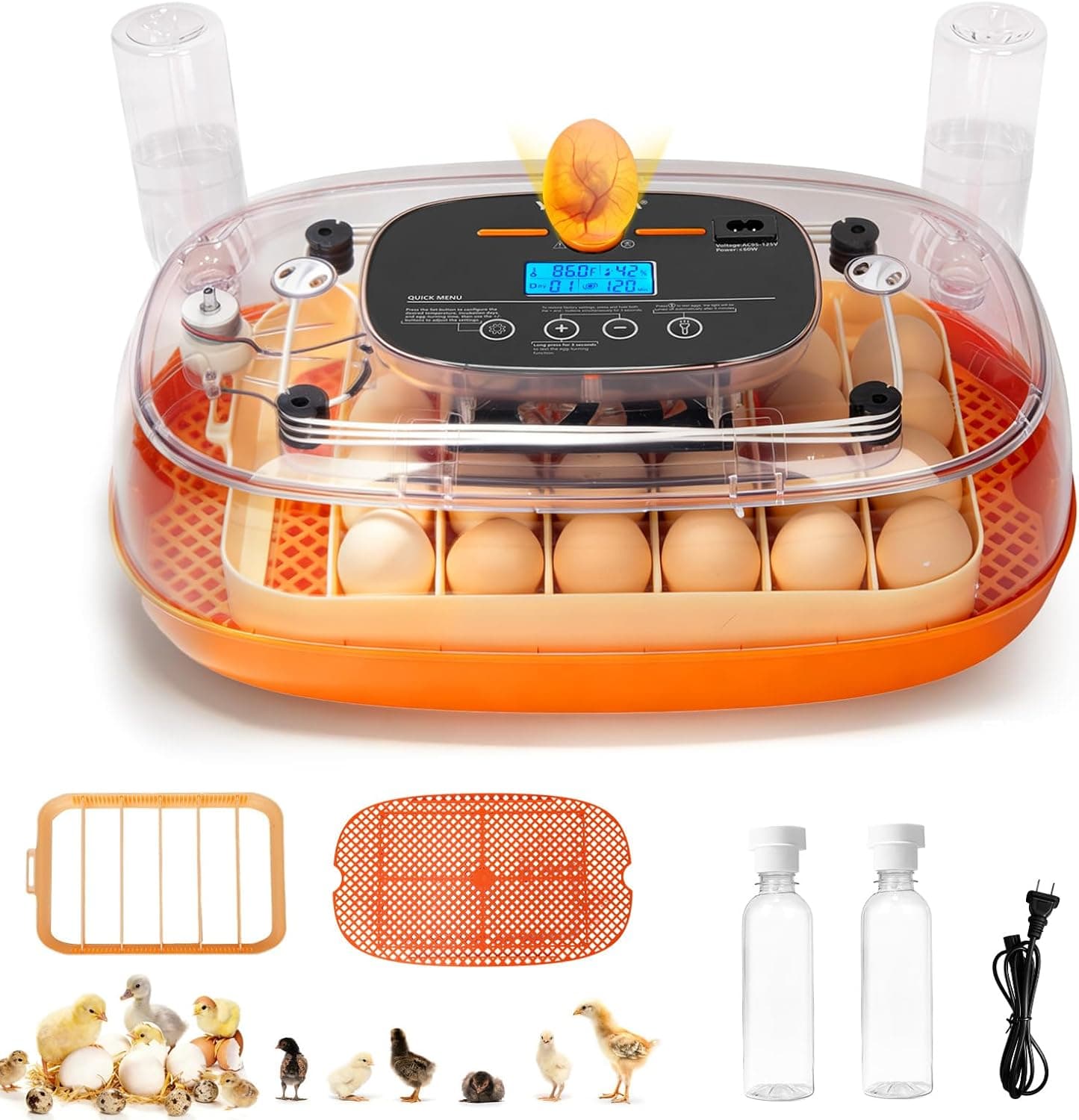
+ 24 Egg capacity suits keepers building a flock from a single hatch
From our guide: Best Egg Incubators for Home Hatching
+ 11 lbs bag fills a proper dust bath for a whole flock
From our guide: Best Dust Bath Supplies for Happy, Clean Chickens
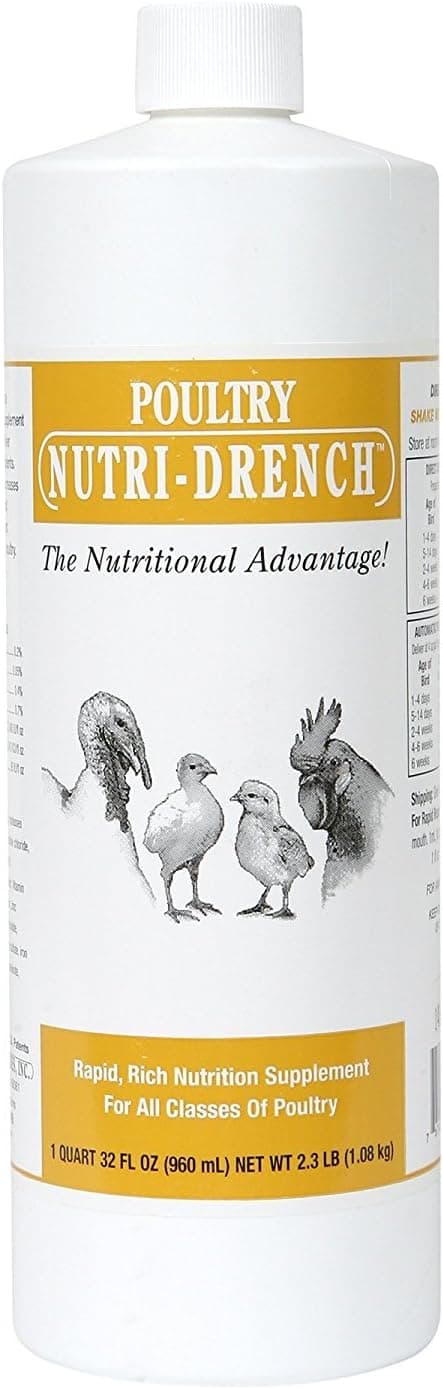
+ Can be given directly by mouth to birds too weak to drink
From our guide: Best Electrolytes and Vitamin Supplements for Chickens

Popular right now
- Best Poop Trays for Under RoostsBuying guide
- How Much Space Chickens Need in the Coop and RunArticle
- Free Ranging Chickens SafelyArticle
- Composting Chicken Manure SafelyArticle
- Best Nesting Pads for Nest BoxesBuying guide
- The Deep Litter Method ExplainedArticle
Based on the last 28 days of search and visitor data.