Raising Chicks Week by Week
Published How we research
Raising chicks is intense for about six weeks and then suddenly easy. Knowing roughly what each stage looks like helps you tell normal development from a problem, and it keeps you from either rushing the birds outside or coddling them long past the point they need it. The timeline below assumes standard-breed chicks in a home brooder, with a heat source, chick starter feed and clean water available at all times.
Week one is the fragile week. Chicks arrive needing warmth around ninety to ninety-five degrees Fahrenheit directly under the heat source, with cooler areas available so they can move away. Dip each chick's beak in the water when you first place it in the brooder so it learns where to drink. Use a shallow waterer with pebbles or marbles if the chicks are very small, because they can drown in surprisingly little water. Watch behaviour rather than the thermometer: chicks huddled tightly under the heat are cold, chicks pressed to the far corners are too hot, and chicks scattered evenly and cheeping softly are comfortable. Check vents daily for pasting, where droppings stick and block the vent, and gently clean with a warm damp cloth if needed.
Week two brings the first wing feathers and a noticeable jump in activity. Drop the brooder temperature by about five degrees, either by raising the lamp or lowering the plate. Chicks start scratching, dust bathing in the bedding and perching on anything you give them, so a low roost bar an inch or two off the floor is a good addition. Feed consumption climbs steeply. Keep the bedding dry and add fresh material rather than letting the brooder get damp, since wet bedding is the main cause of trouble at this age.
Weeks three and four are the awkward, half-feathered stage. Reduce the temperature by another five degrees each week. The chicks are now flying short distances, so the brooder needs a secure lid. They also need more floor space, roughly doubling what they needed on arrival, and crowding at this stage is the usual trigger for the first pecking problems. If you plan to offer treats or greens, keep them small and provide chick grit so the birds can grind anything other than starter feed. This is also a reasonable point to start short supervised trips outside on warm, still days.
Weeks five and six complete the feathering. Most chicks are fully feathered by six weeks and can regulate their own body temperature in mild conditions. Continue stepping the heat down until the brooder is at ambient room temperature, then remove the heat source entirely and give them a few days without it before any move outdoors. Behaviour changes too: a clear pecking order forms, birds squabble and chest bump, and cockerels in a straight-run batch often start to stand taller and grow larger combs.
From seven weeks to about sixteen weeks the birds are growing steadily and need less from you. Switch from starter to a grower ration according to the feed manufacturer's guidance, and hold off on layer feed with its high calcium content until the pullets are close to laying, since excess calcium is hard on immature kidneys. Provide grit if the birds eat anything besides formulated feed. Roosts, dust bathing areas and space to run are what matter most now.
Pullets typically begin laying somewhere between eighteen and twenty-four weeks, with lighter breeds usually earlier than heavy ones. Signs include a reddening comb and wattles, squatting when you approach, and increased interest in the nest boxes. Throughout the whole process, watch for lethargy, laboured breathing, diarrhoea, wobbliness or a chick that stops eating. Those are signals to contact a poultry veterinarian or your local extension service rather than to guess at a treatment.
Products from this article
The highest-scoring picks from the buying guides mentioned above. Scores are our editorial assessment, not customer ratings.
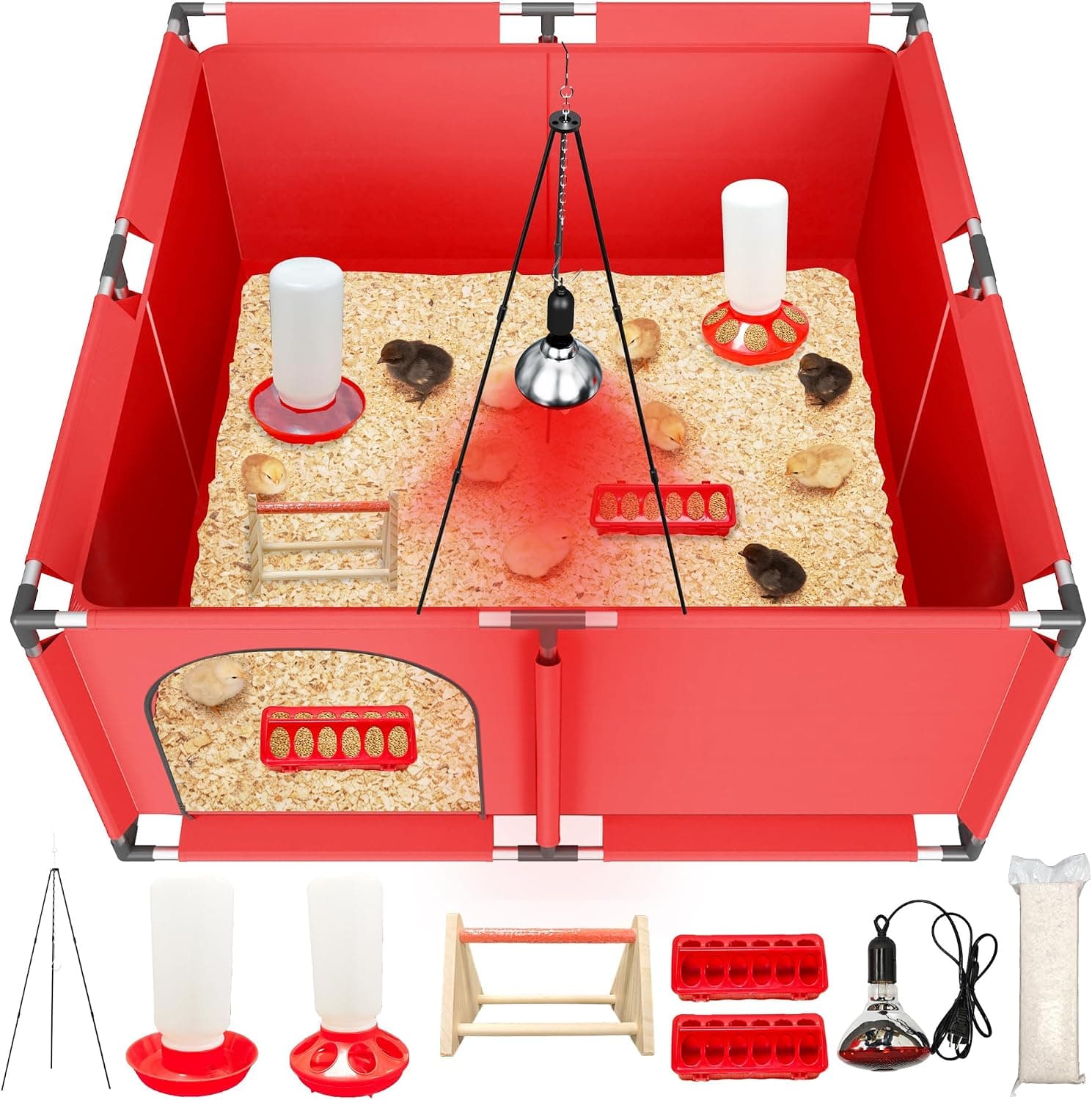
+ Room for up to 30 chicks suits larger hatches or group orders
From our guide: Best Chick Brooders for Raising Chicks
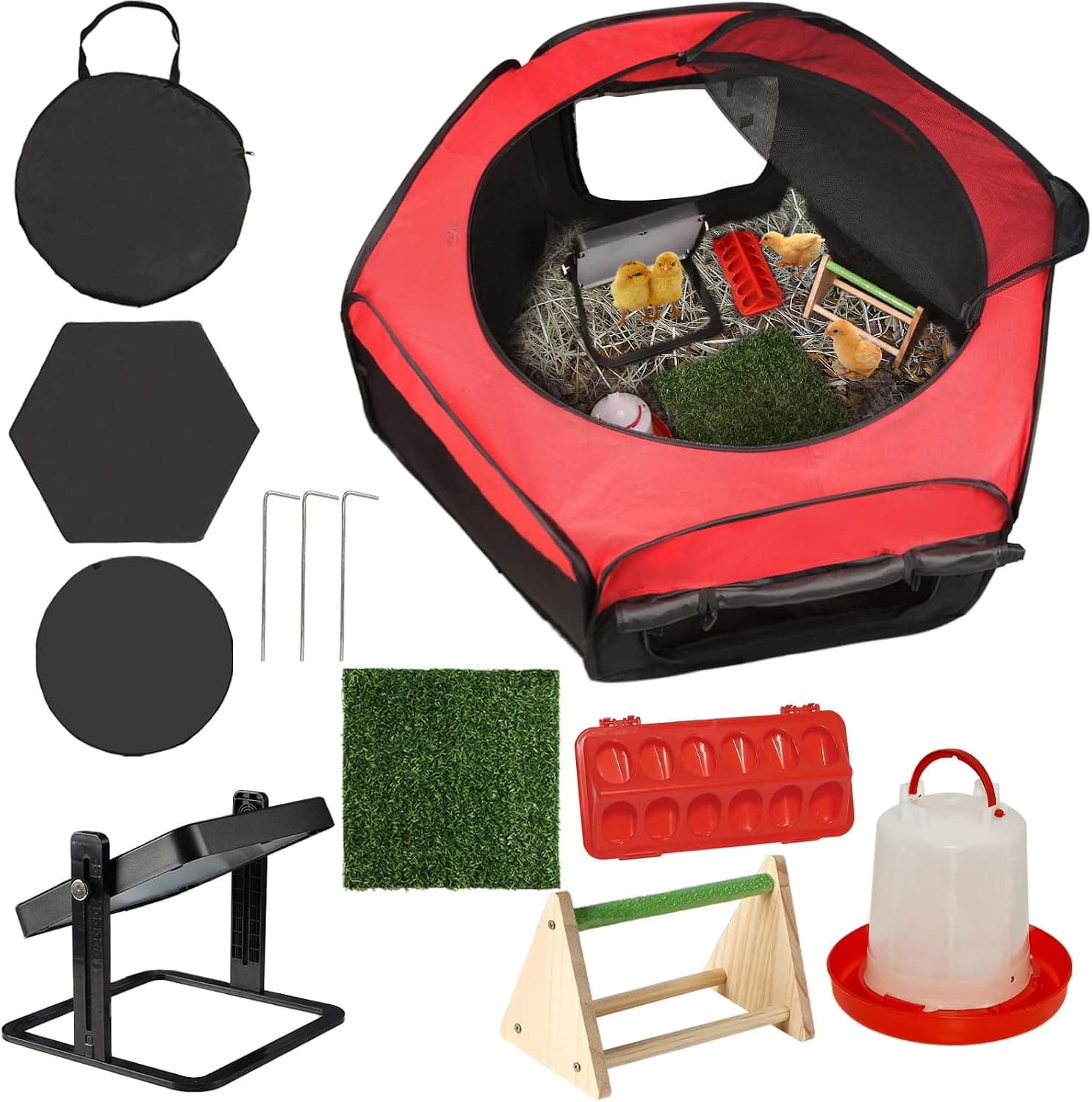
+ 10x10 in heating plate is included, a safer heat source than lamps
From our guide: Best Chick Starter Kits
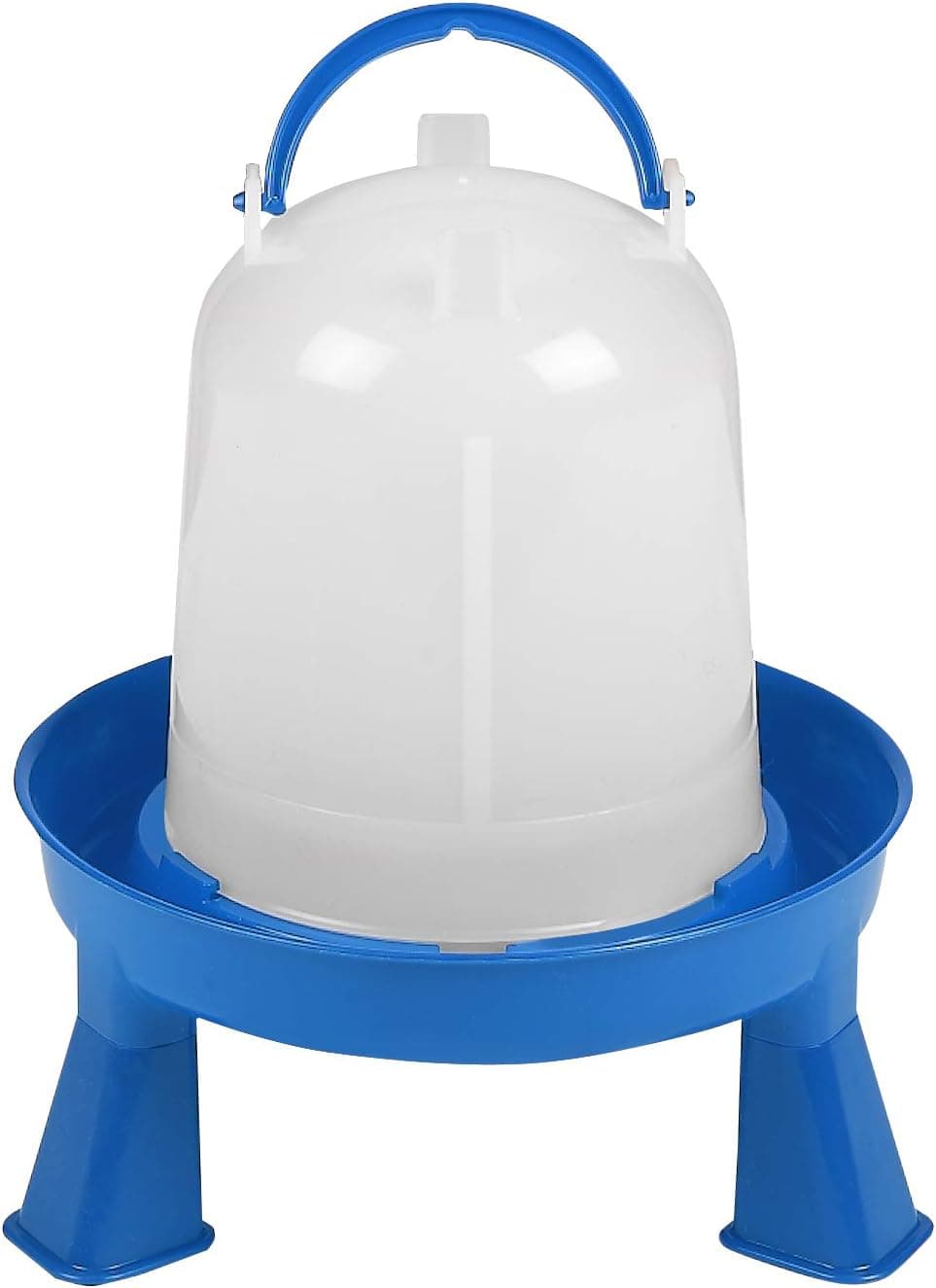
+ Legs lift the drinking area so shavings do not get kicked in
From our guide: Best Chick Waterers
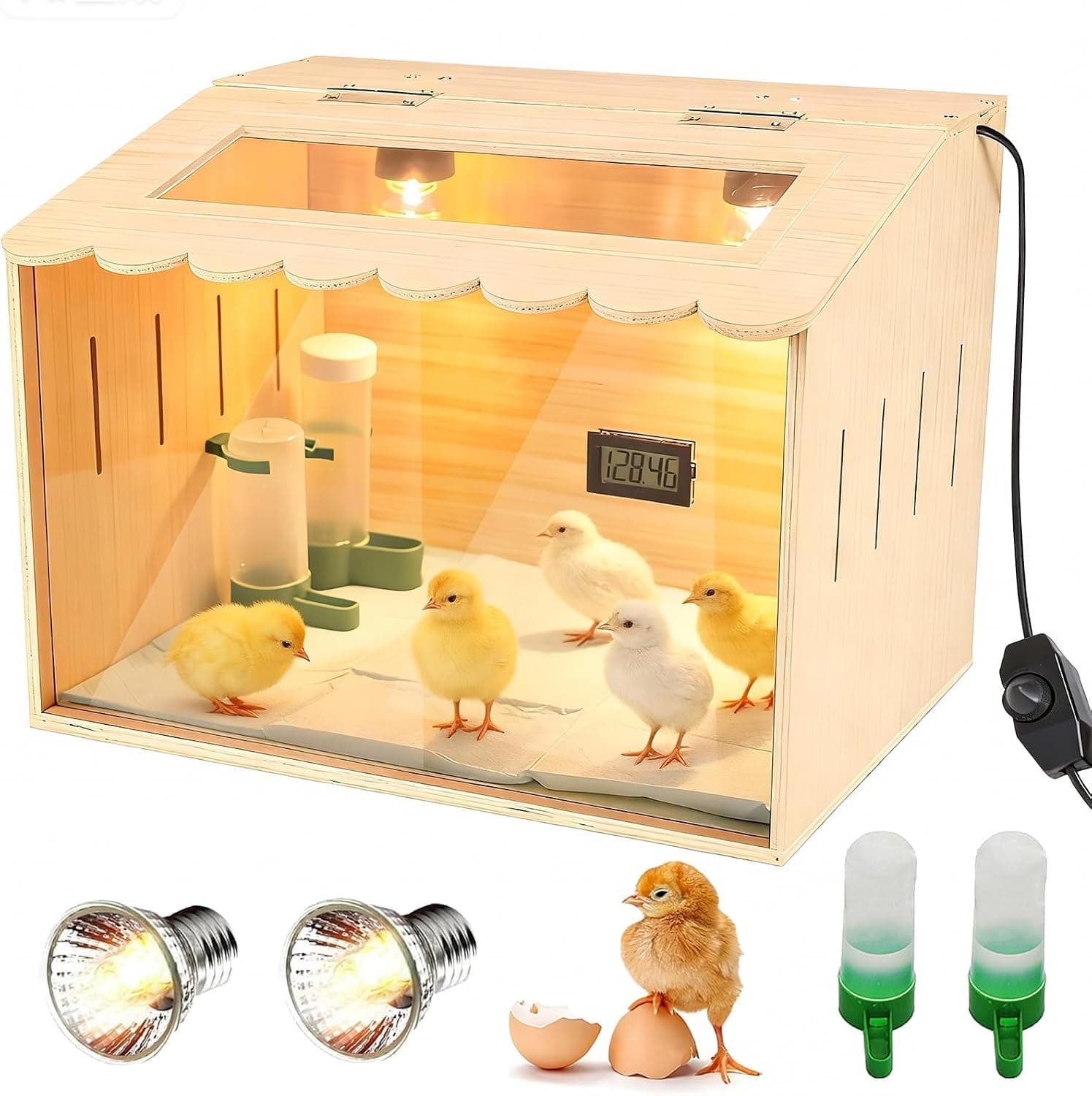
+ Adjustable dual heater lets you tune warmth as chicks feather
From our guide: Best Chick Brooders for Raising Chicks
Popular right now
- Best Poop Trays for Under RoostsBuying guide
- How Much Space Chickens Need in the Coop and RunArticle
- Free Ranging Chickens SafelyArticle
- Composting Chicken Manure SafelyArticle
- Best Nesting Pads for Nest BoxesBuying guide
- The Deep Litter Method ExplainedArticle
Based on the last 28 days of search and visitor data.