Predator Proofing a Chicken Coop
Published How we research
Almost every long-term chicken keeper eventually loses birds to a predator, and almost every one of those losses traces back to a known weak point that had not been fixed yet. Predator proofing is not one product; it is a set of habits and materials applied consistently to every opening in the coop and run. The good news is that the work is mostly one-time, and the standards are the same whether you are in a city garden or on rural acreage.
Start with materials. Chicken wire keeps chickens in; it does not keep predators out. Raccoons tear it, dogs push through it, and weasels walk through the holes. Replace or cover it with half-inch or quarter-inch galvanised hardware cloth on every window, vent, run panel and gap. Fix the cloth with screws and washers or heavy-duty staples placed a few inches apart, not with a handful of staples that a determined raccoon can peel back. Wherever two panels meet, overlap them generously and fasten through both layers.
Then deal with digging. Foxes, dogs, skunks and rats will excavate under a run wall in a single night. The most practical defence is a predator apron: a strip of hardware cloth two to three feet wide laid flat on the ground around the outside perimeter, pinned down with landscape staples and eventually hidden by grass. Digging animals push their nose against the base of the wall and dig straight down, hit the apron and give up. Burying wire vertically works too but is harder and rusts faster. For the coop itself, a solid floor or a wire-lined base stops rodents tunnelling into the bedding.
Latches are where raccoons win most often. They have dexterous hands and will work a simple hook, a spring latch or a sliding bolt open. Use two-step closures on every door and nest box lid: a barrel bolt secured with a carabiner or spring clip, a locking latch that requires a twist plus a pull, or a padlock. The rule of thumb is that if a curious child could open it, a raccoon can. Check latches on the monthly inspection, because screws loosen and springs weaken.
Cover the run from above and pay attention to gaps. Hawks and owls take birds from open runs, and climbing predators drop in over walls. A roof of hardware cloth, welded wire, or at minimum aviary netting closes that route and also keeps wild birds out, which reduces disease exposure. Walk the whole structure slowly with a torch after dark and look for light coming through anywhere it should not. A weasel or a rat needs a startlingly small opening, so seal anything larger than about half an inch.
Routine matters as much as hardware. Shut the pop door every evening once the flock has gone to roost, and open it in the morning. An automatic door opener is a worthwhile investment if your schedule is unpredictable, but check it regularly and keep a manual backup. Do not leave feed out overnight, because spilled grain is what attracts rats, and rats attract everything else. Store feed in metal bins with tight lids. Clear brush, woodpiles and long grass from around the run so predators have no cover to stage from.
Finally, treat every loss as information. Note what was taken, what was left behind and where the entry point was, because different predators leave different patterns. Then fix that specific weakness the same day rather than waiting for the next incident. Livestock guardian animals, motion lights and radios can help at the margins, but they never substitute for solid wire, good latches and a door that gets closed every single night.
Products from this article
The highest-scoring picks from the buying guides mentioned above. Scores are our editorial assessment, not customer ratings.
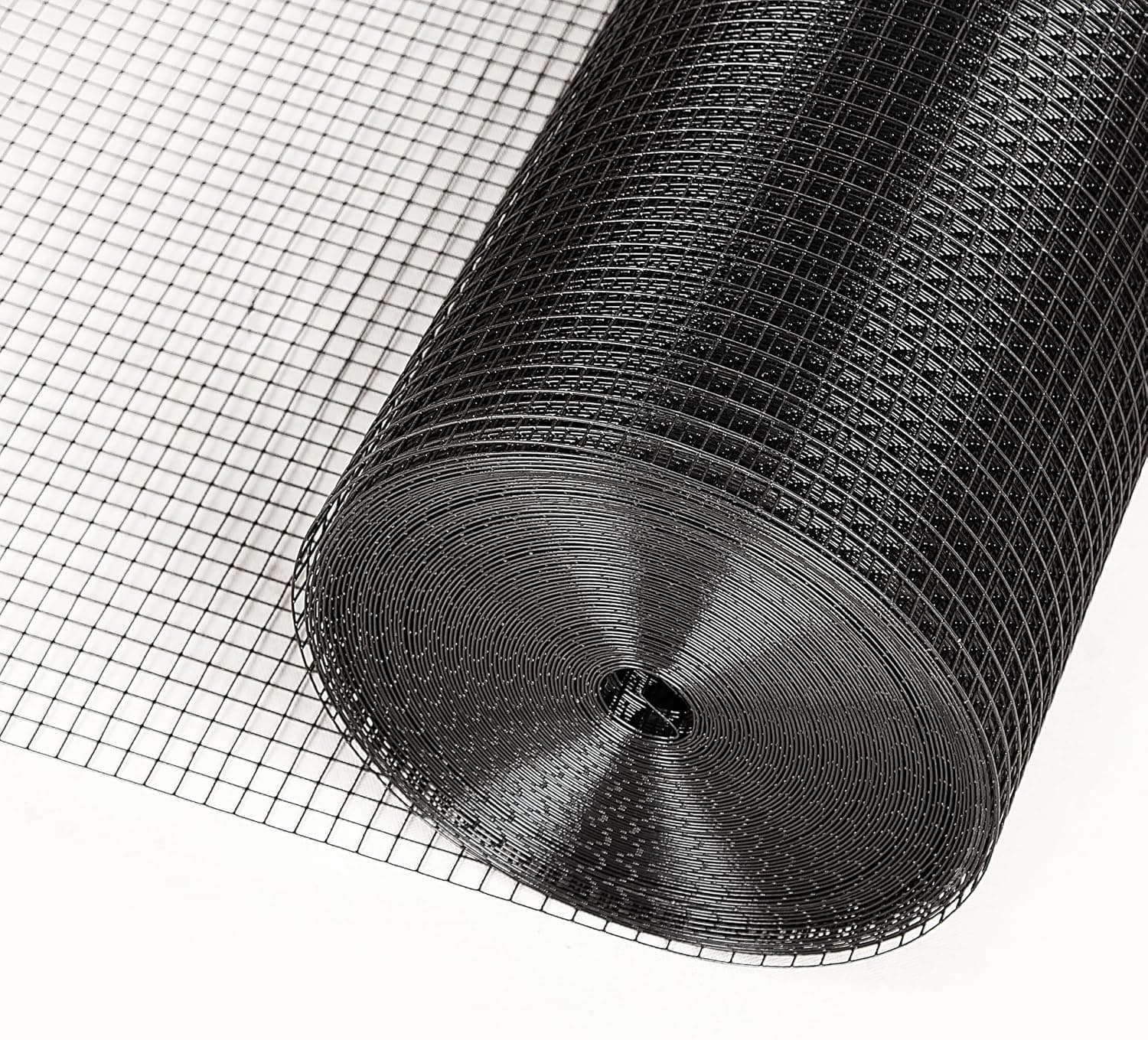
+ Black vinyl coating adds rust protection when buried in soil
From our guide: Best Coop Aprons and Anti-Dig Skirts for Runs
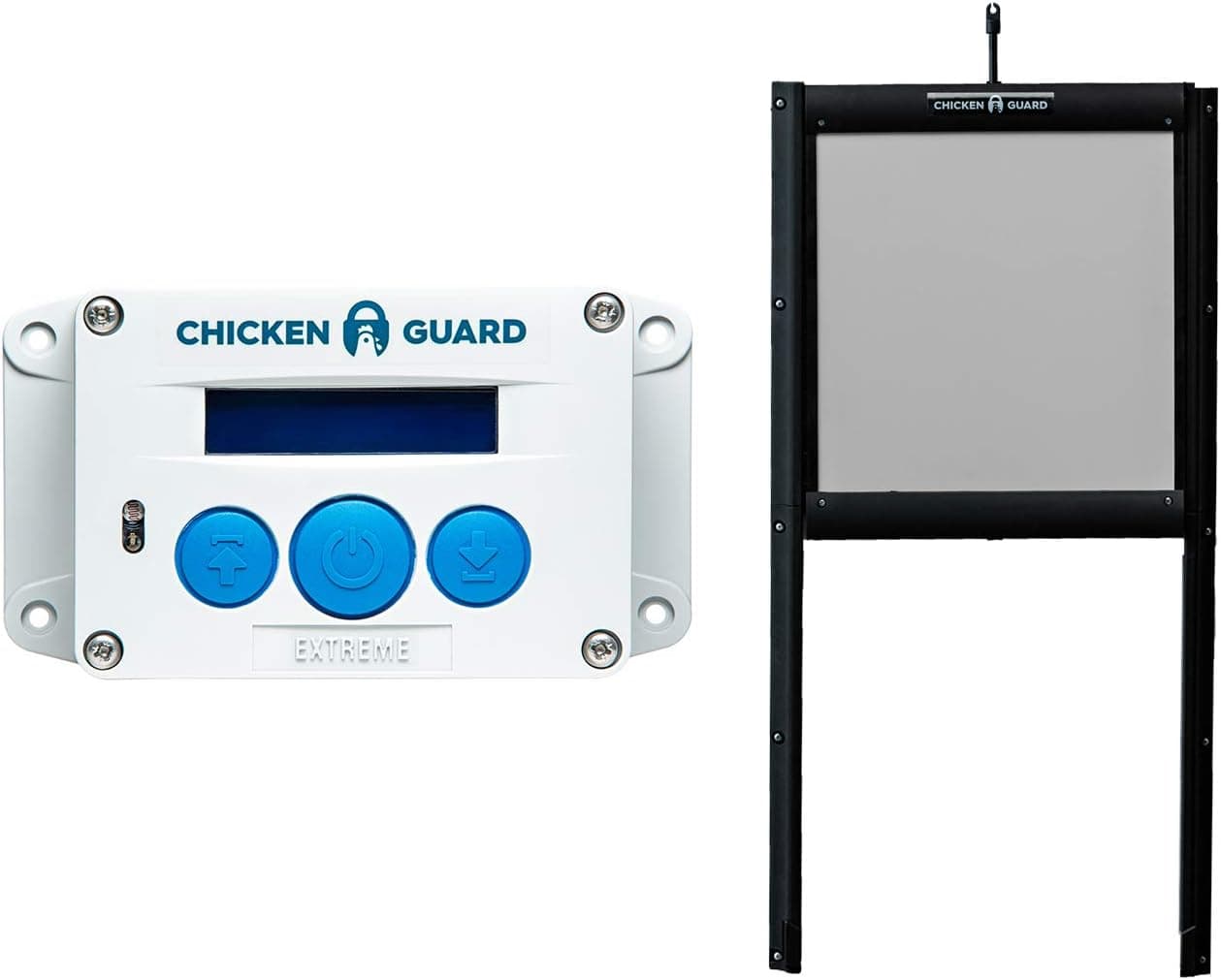
+ Timer and light sensor let the door open and close without you
From our guide: Best Coop Locks and Latches That Raccoons Cannot Open
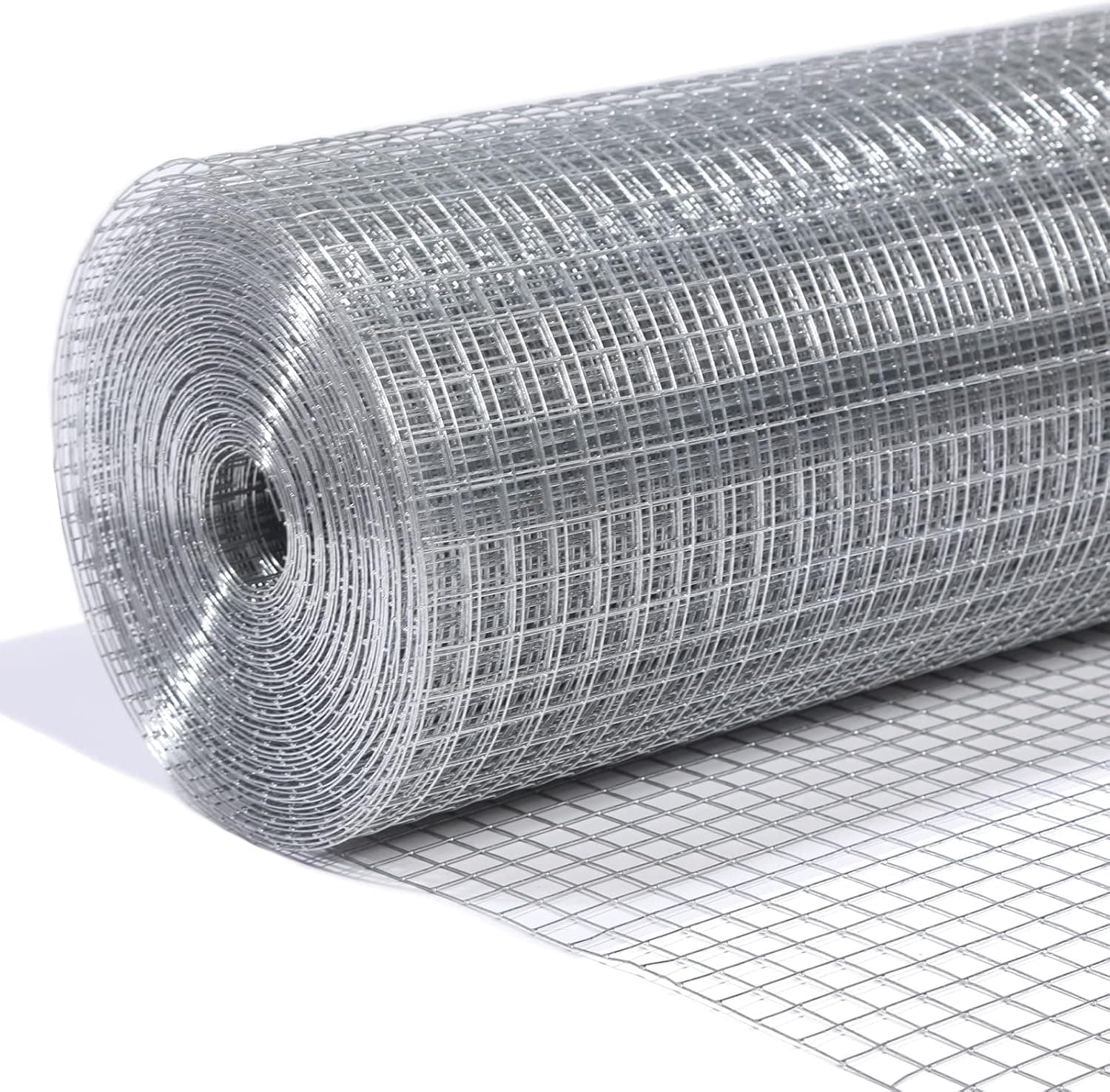
+ 19 Gauge wire is sturdy enough to stop raccoon hands and claws
From our guide: Best Hardware Cloth for Chicken Coops and Runs
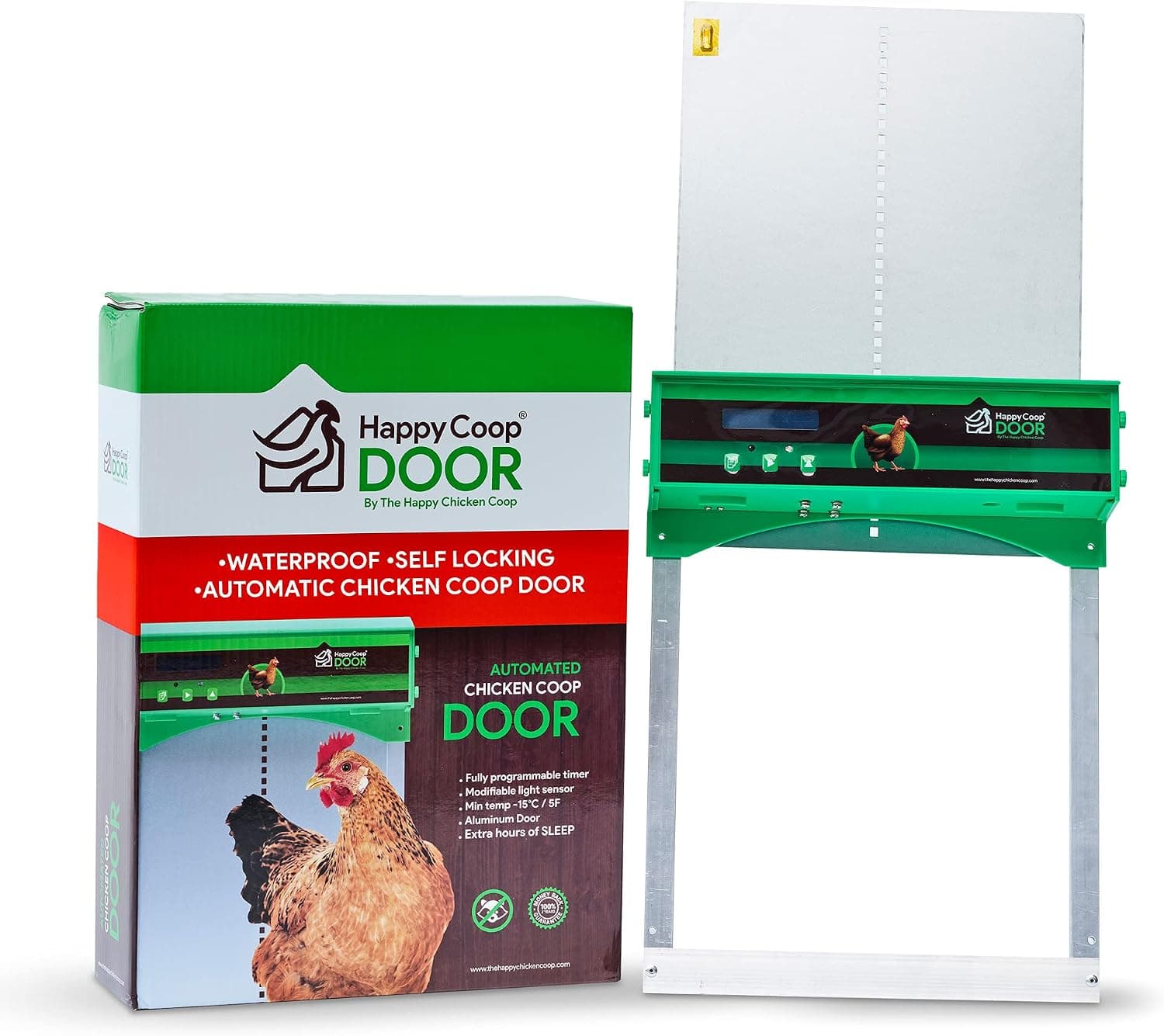
+ Self-locking gears hold the door down against prying predators
From our guide: Best Coop Locks and Latches That Raccoons Cannot Open
Popular right now
- Best Poop Trays for Under RoostsBuying guide
- How Much Space Chickens Need in the Coop and RunArticle
- Free Ranging Chickens SafelyArticle
- Composting Chicken Manure SafelyArticle
- Best Nesting Pads for Nest BoxesBuying guide
- The Deep Litter Method ExplainedArticle
Based on the last 28 days of search and visitor data.