Moving Chicks Outside
Published How we research
The move from brooder to coop is the transition new keepers most often rush or delay. Move too early and half-feathered chicks cannot hold their body heat overnight. Wait too long and you have twelve-week-old birds crammed into a plastic tote in your utility room, kicking dust over everything. The right moment depends on feathering, outdoor temperature and how well your coop is set up, not on a fixed date.
The main readiness signal is full feathering, which usually happens around five to six weeks for standard breeds. Run a hand over the chicks: if fluffy down still shows through on the neck, back or under the wings, they are not finished. Fully feathered birds can regulate their own temperature in mild conditions. As a rough guide, fully feathered chicks handle nights down to around the fifties Fahrenheit comfortably once they are acclimatised, and colder still if the group is large enough to huddle and the coop is dry and free of drafts. A single chick has a much harder time than a group of eight.
Before the move, wean them off supplemental heat inside. Step the brooder temperature down week by week until it matches the room, then run the brooder with no heat at all for several days. Chicks that go straight from a warm plate to an unheated coop have no chance to adjust. At the same time, start hardening them off outdoors: short daytime trips to a secure pen on warm, still days, extending gradually over one to two weeks. Supervise those outings, because young birds are prey for cats, crows, hawks and neighbourhood dogs, and they have no idea yet what a predator is.
Get the coop ready before the birds arrive in it. It needs to be genuinely predator proof, with hardware cloth over every opening and secure latches, because young birds are the easiest possible target. Ventilation should be high, above head height on the roost, so moisture escapes without air blowing across the birds. Add low roost bars, since chicks that have never perched will not immediately jump to an adult-height bar. Provide clean dry bedding, and put the feeder and waterer where the birds will find them easily.
For the first few nights expect confusion. Chickens learn where home is by sleeping there, so shut the young birds inside the coop for two or three full days and nights before letting them into the run. After that, they will usually return to the coop at dusk on their own. For the first week you may still need to lift stragglers off the ground or out of a corner and place them inside at dark, and you may find the whole group piled in a corner on the floor rather than on the roost. That is normal and resolves as they mature; just make sure the pile is not in a draft and that nobody at the bottom is being crushed.
Watch the weather rather than the calendar. Cold rain and wind are far more dangerous to newly moved birds than dry cold, because wet feathers stop insulating. If a cold snap arrives right after the move, it is reasonable to bring them back in for a night or to add a low-wattage safe heat source temporarily, but do not create a permanently heated coop, since birds that never acclimatise become dependent on it. Any heat source in a coop must be fire safe and firmly secured.
If the young birds are joining an existing flock, treat that as a separate project rather than folding it into the move. Point-of-lay pullets can be badly injured by established hens, so use a see-but-no-touch setup for a week or more, provide multiple feeders and waterers, add visual barriers, and only merge when the birds are similar enough in size to defend themselves. Doing the coop transition first, then the integration, gives everyone a much easier time.
Products from this article
The highest-scoring picks from the buying guides mentioned above. Scores are our editorial assessment, not customer ratings.
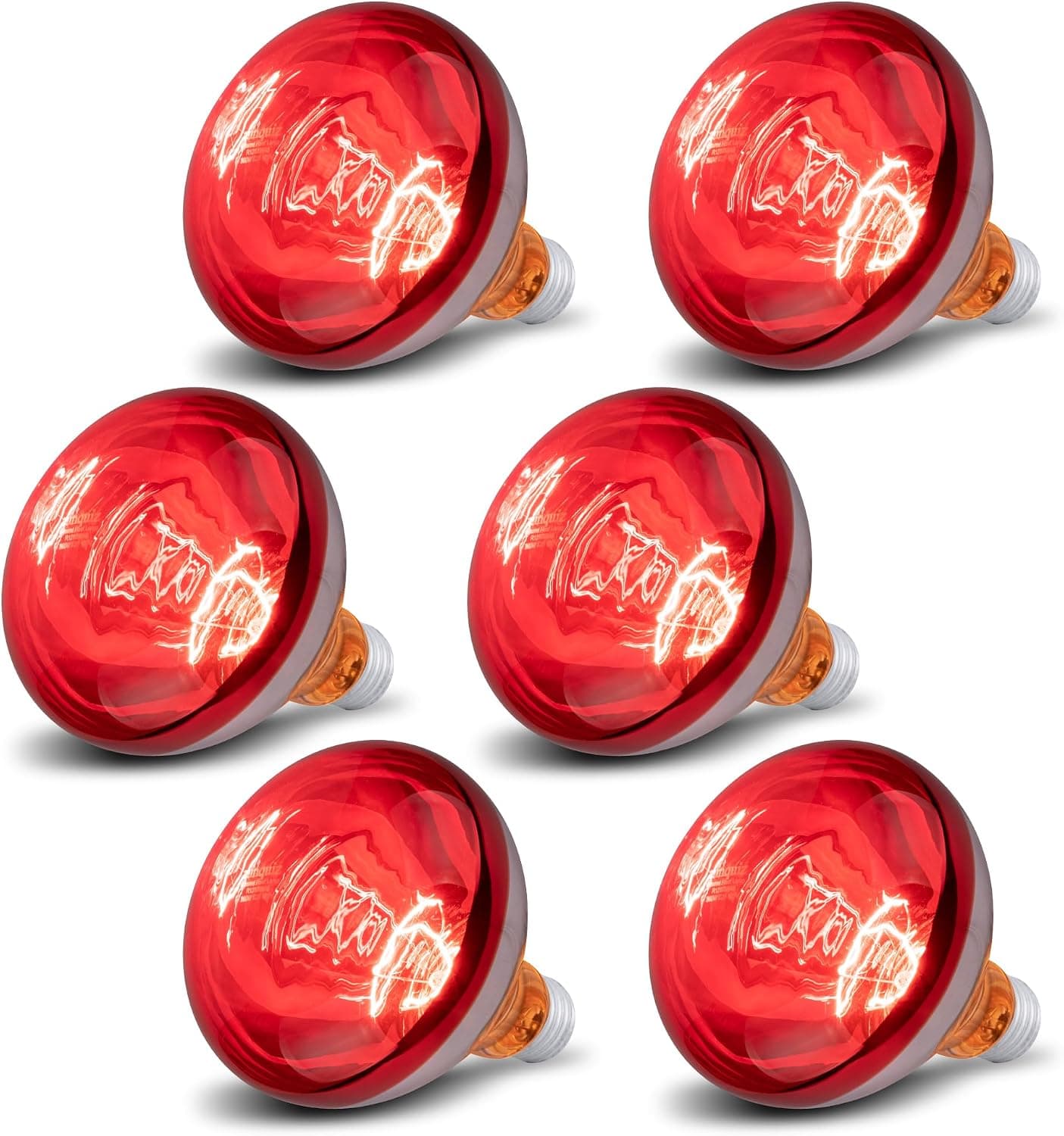
+ 6 Pack means spare bulbs are ready when one burns out mid-brood
From our guide: Best Heat Lamps for Chicks (and Safer Alternatives)
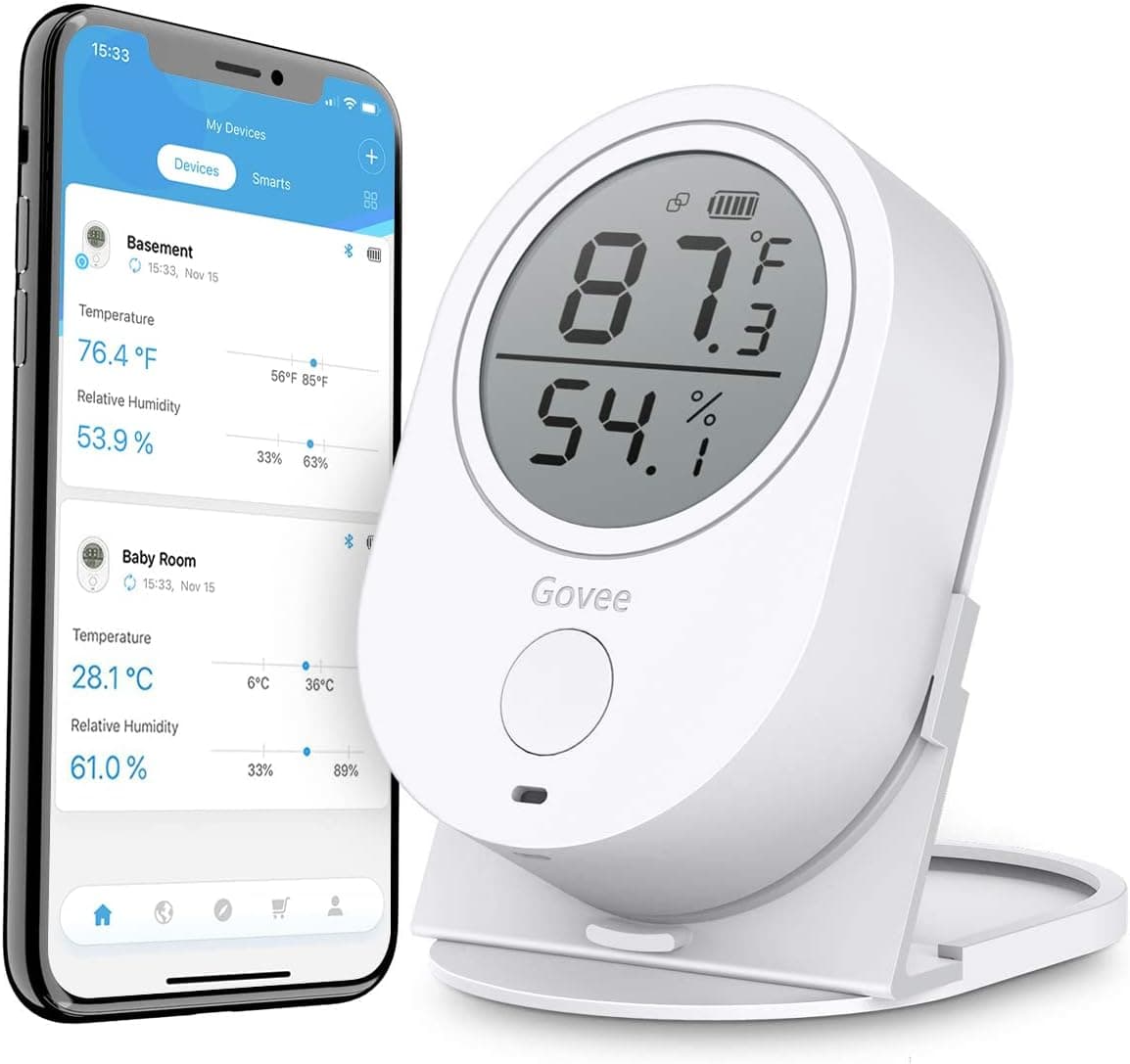
+ App alerts warn you if the brooder gets too hot or cold
From our guide: Best Brooder Thermometers
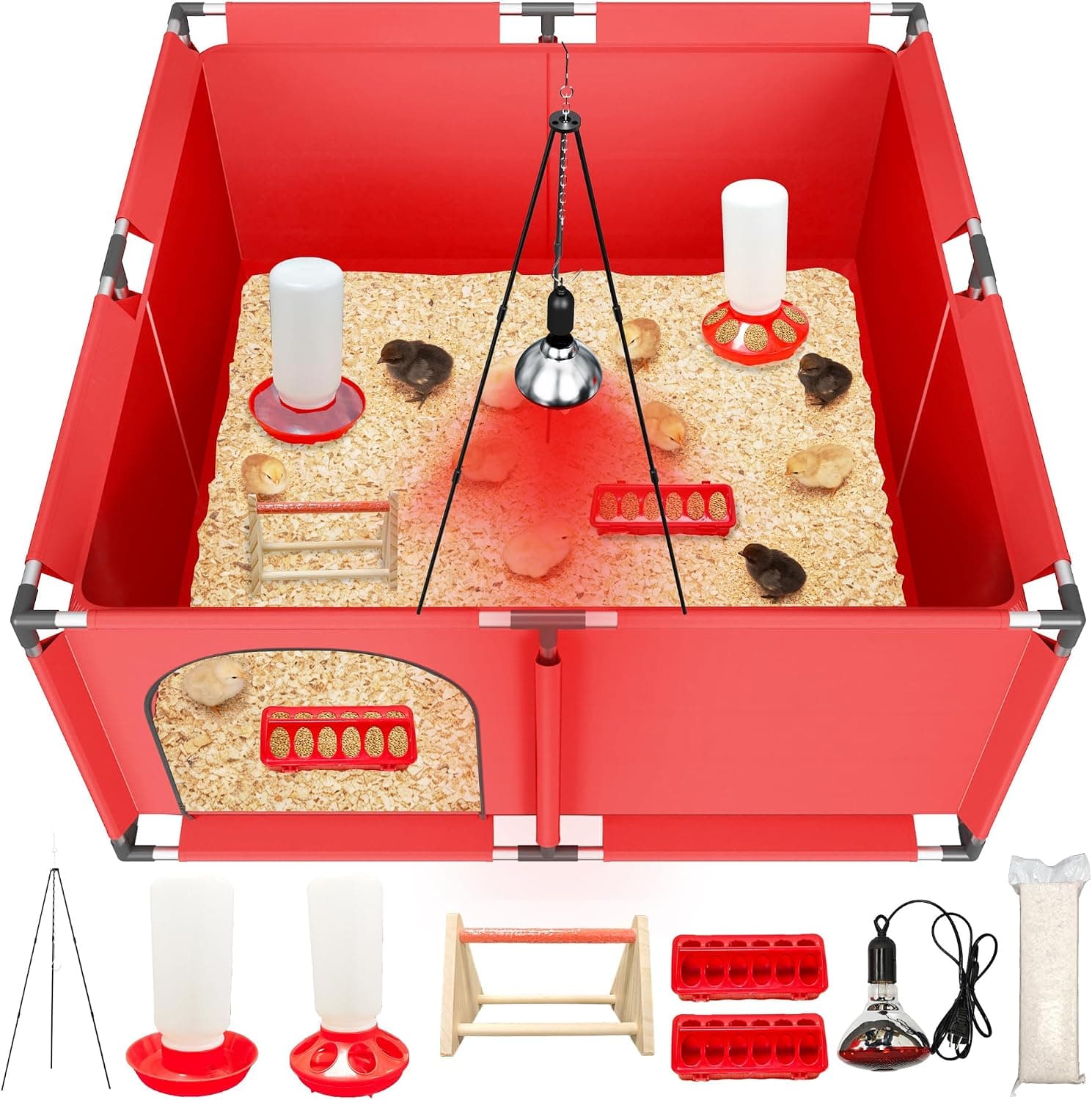
+ Room for up to 30 chicks suits larger hatches or group orders
From our guide: Best Chick Brooders for Raising Chicks
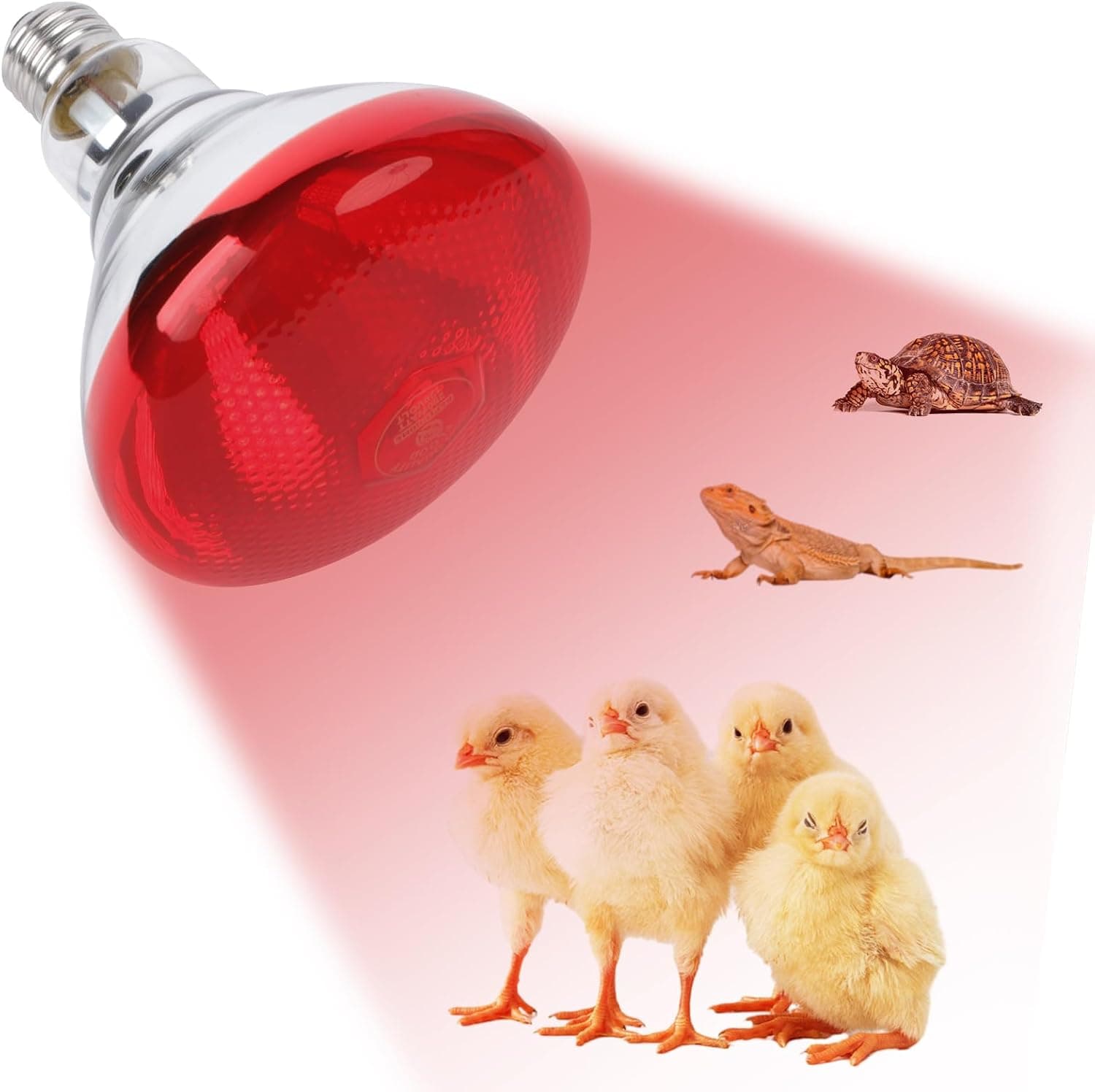
+ Par38 glass bulbs are generally tougher than thin reflector bulbs
From our guide: Best Heat Lamps for Chicks (and Safer Alternatives)
Popular right now
- Best Poop Trays for Under RoostsBuying guide
- How Much Space Chickens Need in the Coop and RunArticle
- Free Ranging Chickens SafelyArticle
- Composting Chicken Manure SafelyArticle
- Best Nesting Pads for Nest BoxesBuying guide
- The Deep Litter Method ExplainedArticle
Based on the last 28 days of search and visitor data.