Integrating New Birds Into a Flock Without Bloodshed
Published How we research
Adding birds to an established flock is one of the few genuinely risky things you do as a chicken keeper. Chickens maintain a strict social hierarchy and treat unfamiliar birds as intruders, and the resulting conflict can range from a few warning pecks to serious injury or death. The good news is that a slow, structured introduction almost always works, and the whole process only takes two to four weeks of patience.
Begin with quarantine, which is about disease rather than social order. Any bird from outside your property should be housed completely separately for at least two to four weeks, ideally out of sight and downwind, with separate feed and water containers and separate boots or a change of footwear. Many poultry diseases and all the common external parasites travel on apparently healthy birds. During quarantine, watch for coughing, sneezing, nasal discharge, diarrhoea, weight loss, mites and lice. If anything looks wrong, contact a poultry veterinarian before the new birds go anywhere near your flock.
Size and age matter enormously. Never introduce young chicks or small juveniles to adult hens; they cannot defend themselves and are frequently killed. Wait until the newcomers are close to adult size, generally around sixteen weeks or more, before attempting integration. Introducing more than one new bird at a time is far kinder than introducing a single individual, since a lone newcomer absorbs all of the aggression while a group of three or four spreads it out and gives each bird a companion.
The core technique is see-but-no-touch. After quarantine, house the new birds where the flock can see them but cannot reach them, using a wire partition in the run, a separate pen alongside, or a dog crate inside the run. Leave them like this for a week or more. The established hens work out most of the hierarchy visually, argue through the wire, and gradually stop caring. Boredom is your ally here; the newcomers stop being novel.
When you do let them mix, stack the odds in your favour. Merge on neutral or rearranged ground rather than inside the coop, ideally on a day when everyone can spread out. Provide multiple feeders and waterers placed well apart and out of line of sight of each other, so a dominant hen cannot guard all the resources at once. Add visual barriers, pallets leaned against a wall, low platforms, stumps and shrubs, so a chased bird can break line of sight and escape. Escape routes matter more than space alone; a dead-end corner is where injuries happen.
Many keepers merge at night, slipping the new birds onto the roost after dark so everyone wakes up together. This can smooth things, but it is not magic and you must be present at dawn to supervise. Expect pecking, chasing and posturing for several days; that is normal hierarchy formation and it should not be interrupted every time it happens. Intervene when you see blood, when a bird is cornered and cannot escape, when one bird is being singled out relentlessly, or when a newcomer cannot get to food or water. Bleeding birds must be removed immediately, because chickens are drawn to the sight of blood and will continue pecking a wound.
Give the process time and watch the details. Full integration often takes two to four weeks, and newcomers may sleep separately and eat last for a while after that. Check crops in the evening to confirm the new birds are actually eating. Keep an eye on their weight and general condition. If aggression stays severe after a couple of weeks, back up a step and return to the see-but-no-touch arrangement for longer rather than pushing through. In a small number of cases a single persistently violent bird has to be housed separately, and it is better to accept that than to keep hoping it resolves itself.
Products from this article
The highest-scoring picks from the buying guides mentioned above. Scores are our editorial assessment, not customer ratings.
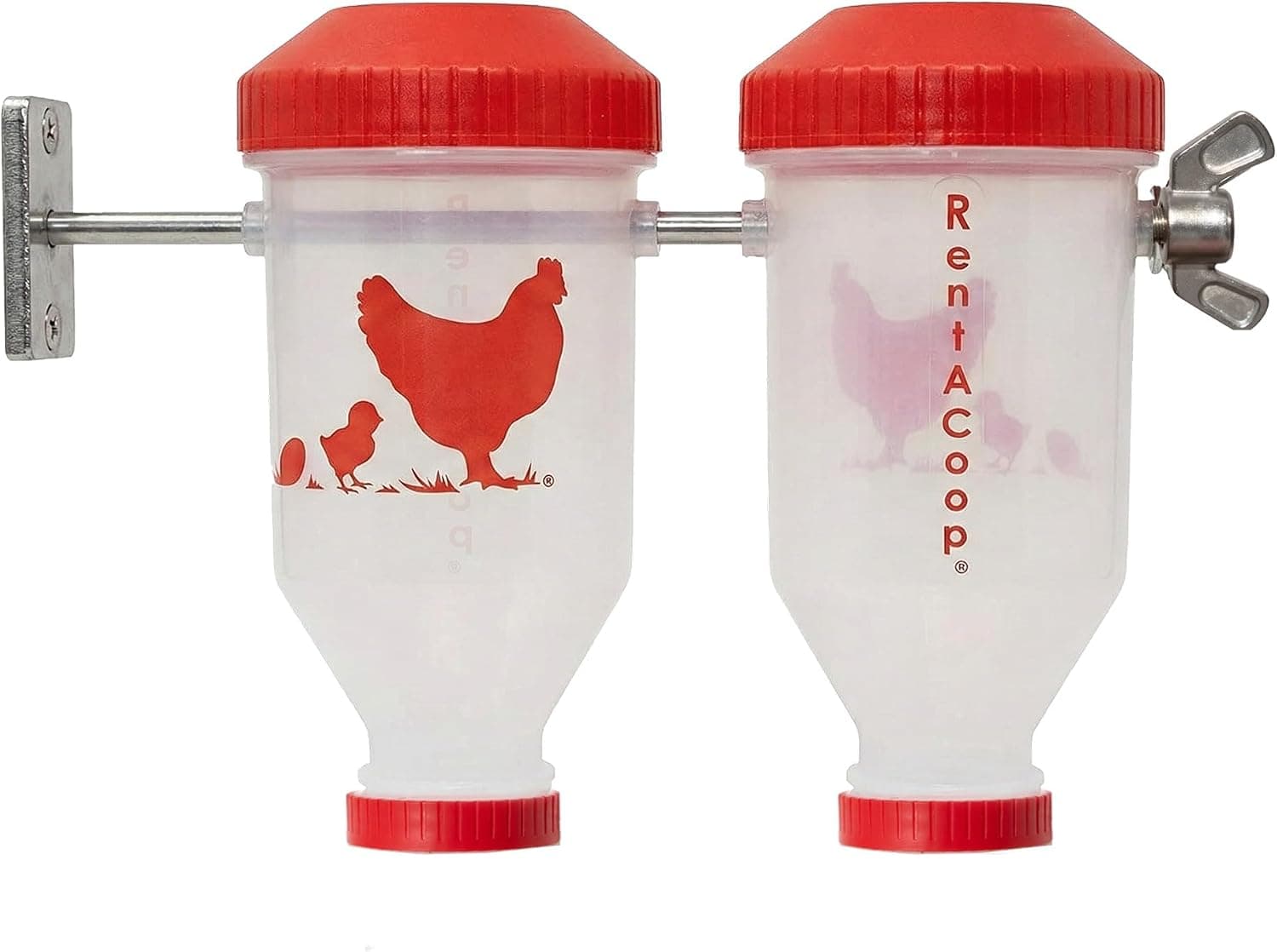
+ Top-fill design makes loading scratch or seeds quick and tidy
From our guide: Best Chicken Treat Dispensers and Boredom Feeders
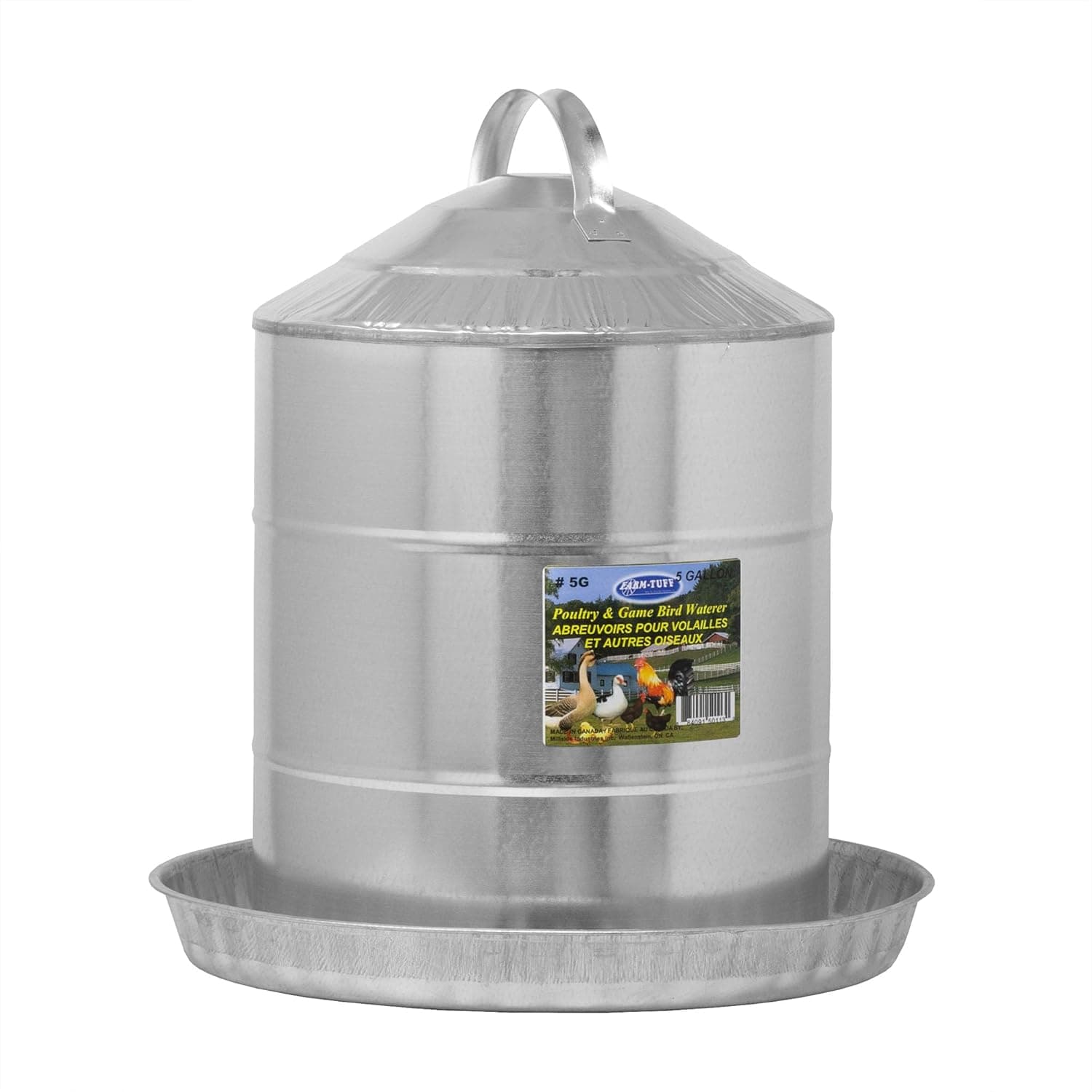
+ Cone top stops birds from perching on the waterer and fouling it
From our guide: Best Chicken Waterers
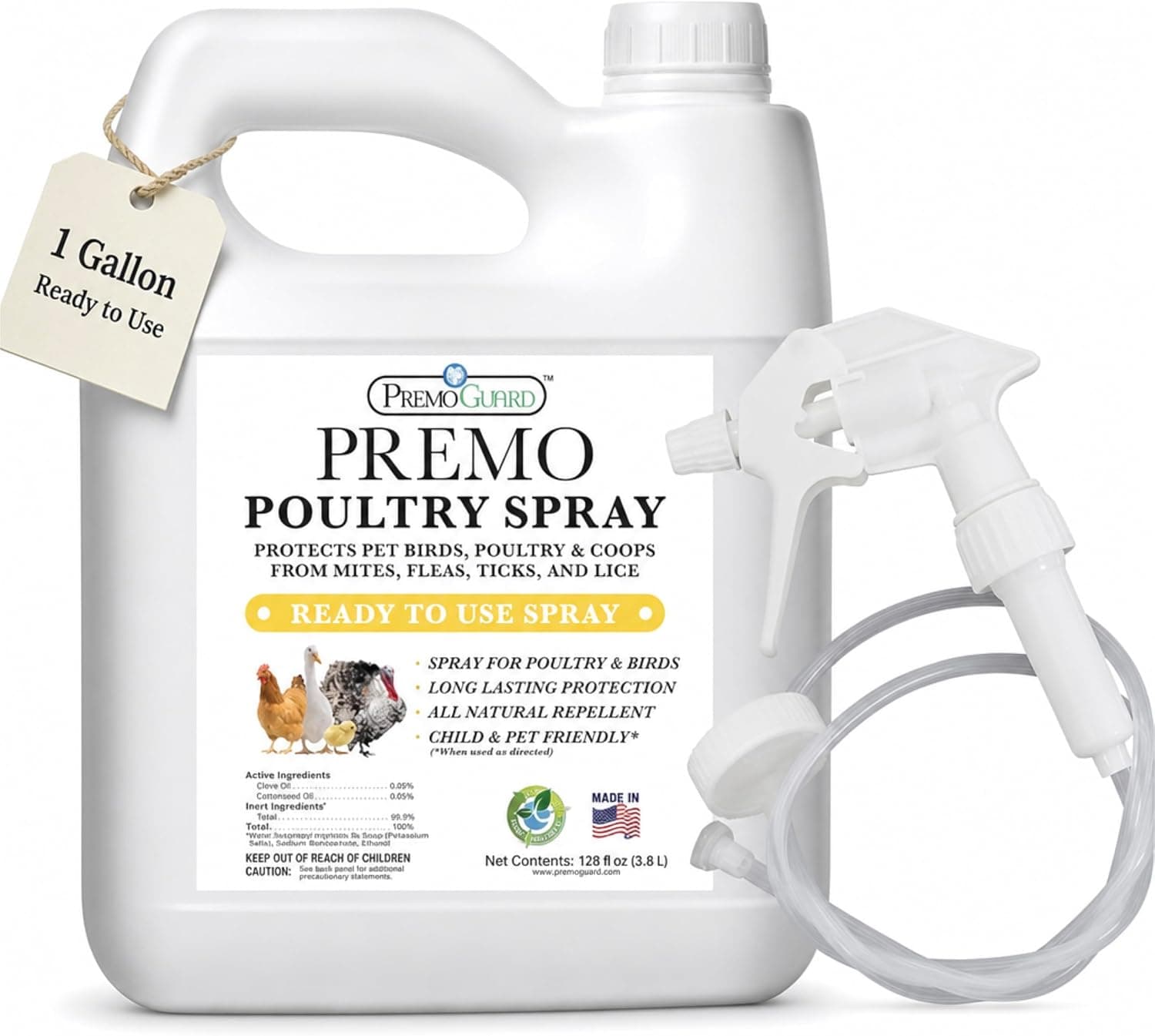
+ No egg withdrawal means you can keep collecting eggs during treatment
From our guide: Best Mite and Lice Treatments for Chickens and Coops
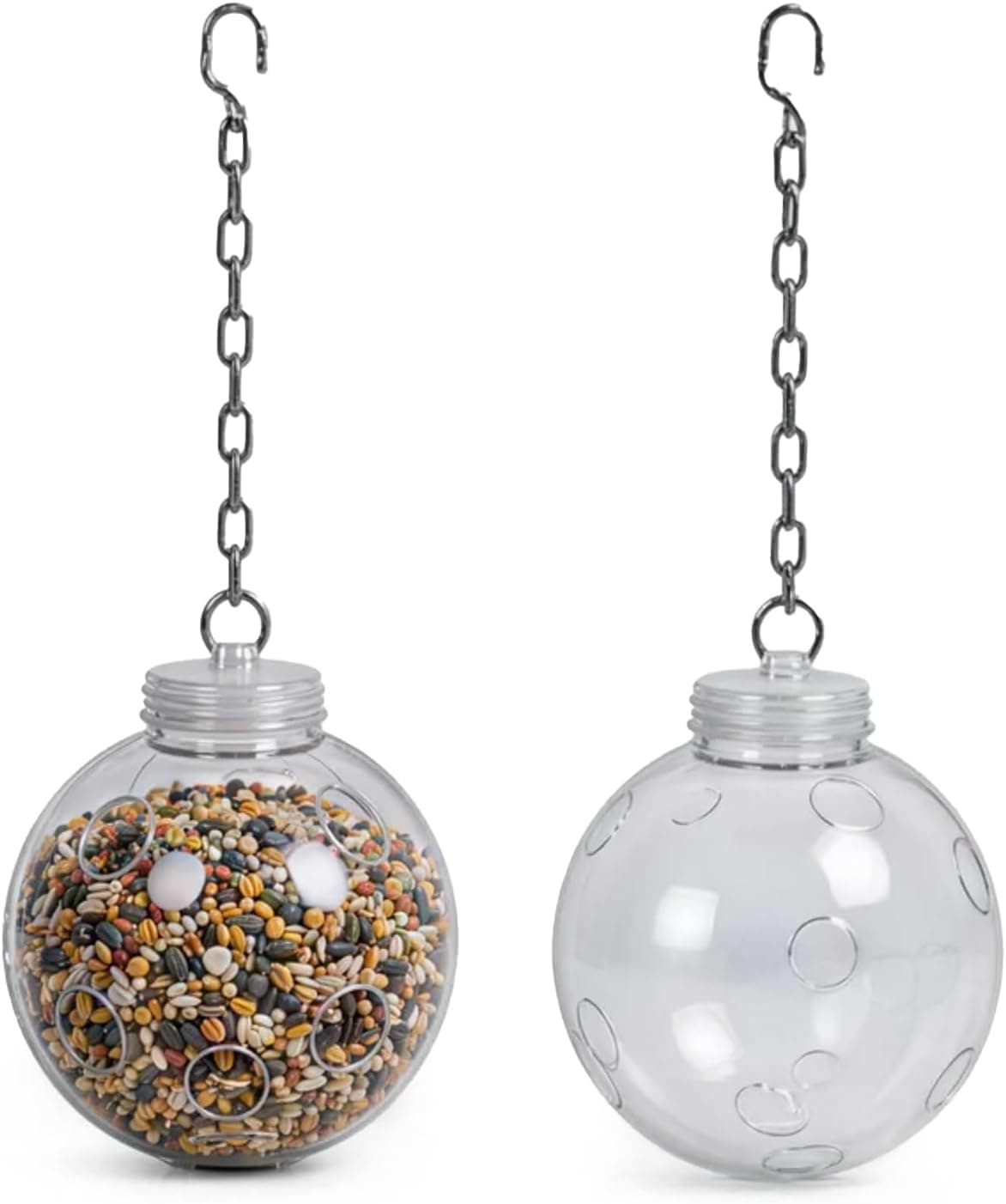
+ Slow feeding design stretches treat time and keeps hens active
From our guide: Best Chicken Treat Dispensers and Boredom Feeders
Popular right now
- Best Poop Trays for Under RoostsBuying guide
- How Much Space Chickens Need in the Coop and RunArticle
- Free Ranging Chickens SafelyArticle
- Composting Chicken Manure SafelyArticle
- Best Nesting Pads for Nest BoxesBuying guide
- The Deep Litter Method ExplainedArticle
Based on the last 28 days of search and visitor data.