Daily and Weekly Chicken Chores
Published How we research
One of the reasons chickens suit backyards so well is that the workload is small and predictable. Ten minutes in the morning, five in the evening, and a longer session once a week covers almost everything. The value of a routine is not just efficiency; it is that repetition trains your eye. A keeper who looks at the flock the same way every morning notices the hen who is standing apart on day one rather than day five.
The morning round has four parts. Open the pop door and let the birds out. Check the water, dump anything fouled and refill with clean water; in freezing weather this may need doing more than once. Check the feeder and top it up with a complete ration appropriate to the flock's age. Then simply watch for a minute. Every bird should come out, move normally, hold its tail up, keep its eyes bright and take an interest in food. Count heads. If a hen stays inside or lags behind, look closer.
The evening round is shorter. Collect eggs, ideally at least once during the day as well so they stay clean and unbroken. Do a final head count as the flock goes to roost, since dusk is when you learn if someone is missing. Then close the pop door securely. If you use an automatic door, confirm it actually closed rather than assuming. This last step is the single most important predator defence you have.
Weekly tasks take twenty to thirty minutes. Scrape the droppings board or clean under the roosts, where the overnight manure concentrates. Turn or add bedding so the litter stays dry and crumbly. Scrub the waterer properly with a brush, not just a rinse, because biofilm builds up quickly and is a genuine health issue. Refresh nest box bedding and remove any broken eggs. Walk the run perimeter looking for fresh digging, sagging wire or loose staples. Check that latches still hold firmly. Look at the feed store and make sure it is dry and sealed against rodents.
Monthly, slow down and inspect the birds themselves. Pick up each hen if she will allow it and check weight and body condition, feather quality, the condition of feet and the underside of the toes, and the vent area. Part the feathers around the vent and under the wings in good light and look for mites or lice and their egg clusters at the feather bases. Check combs and beaks. At the same time, inspect the housing: hardware cloth still tight, roof still sound, no rot at the base of the walls, ventilation openings still clear.
Seasonal jobs come around a few times a year. A deep clean of the coop, removing all bedding and scrubbing surfaces, is usually done in spring and autumn, though deep litter systems run on a different cycle. Before winter, check that ventilation is high and drafts are sealed, sort out a plan for keeping water liquid and add extra bedding. Before summer, plan shade, extra water stations and airflow. Autumn is also when many flocks moult, so expect a drop in eggs and consider a higher-protein feed during that period.
One more habit is worth building: keep simple notes. A page listing when each group of birds hatched, when they started laying, weekly egg counts, when you last cleaned the coop, and anything unusual you noticed makes patterns visible. A gradual decline in eggs, a recurring wet patch in the run or a bird who has now been quiet three days running is much easier to spot on paper than from memory. And when something does look wrong, those notes are exactly what a poultry veterinarian or extension advisor will want to hear.
Products from this article
The highest-scoring picks from the buying guides mentioned above. Scores are our editorial assessment, not customer ratings.
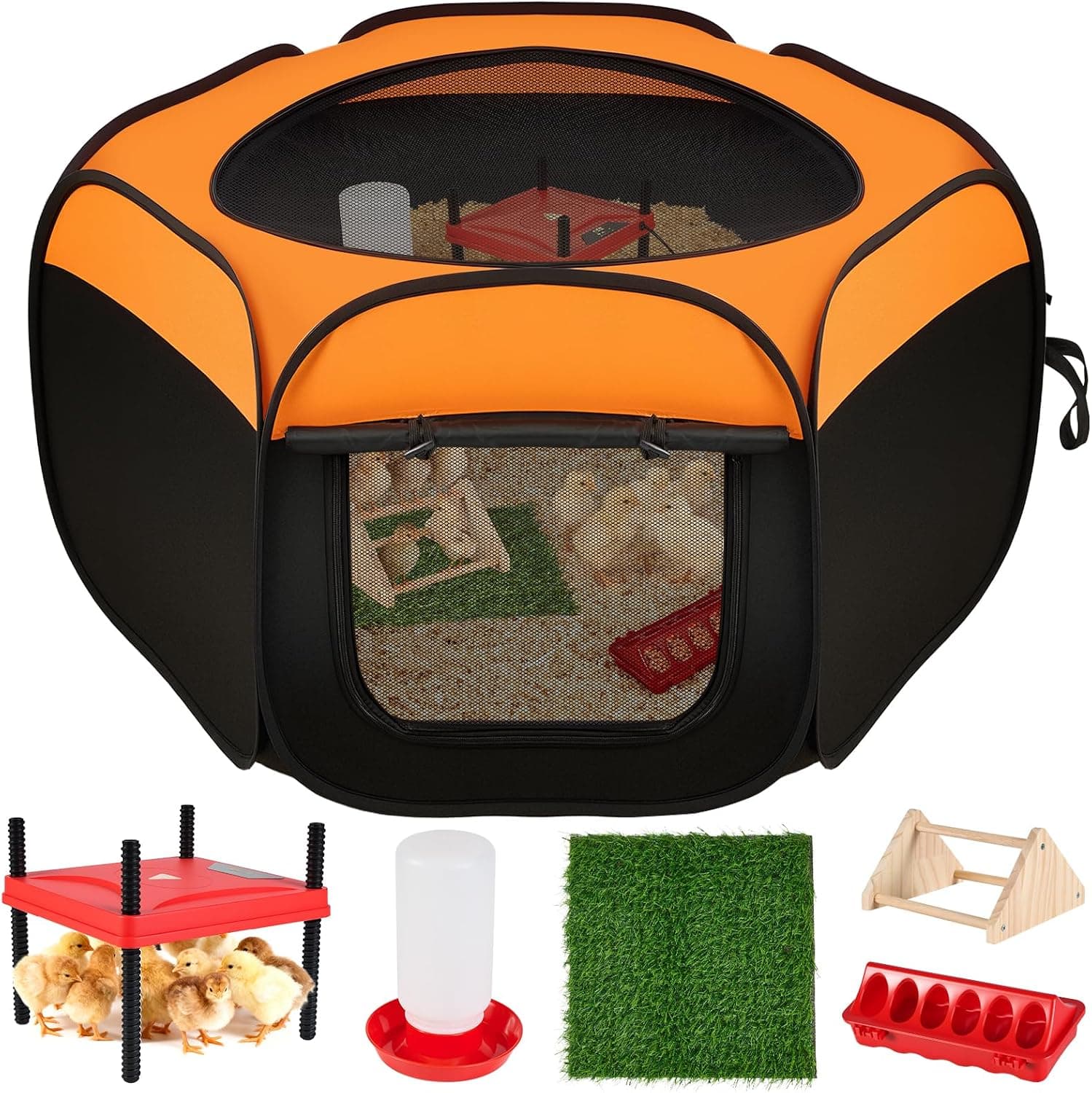
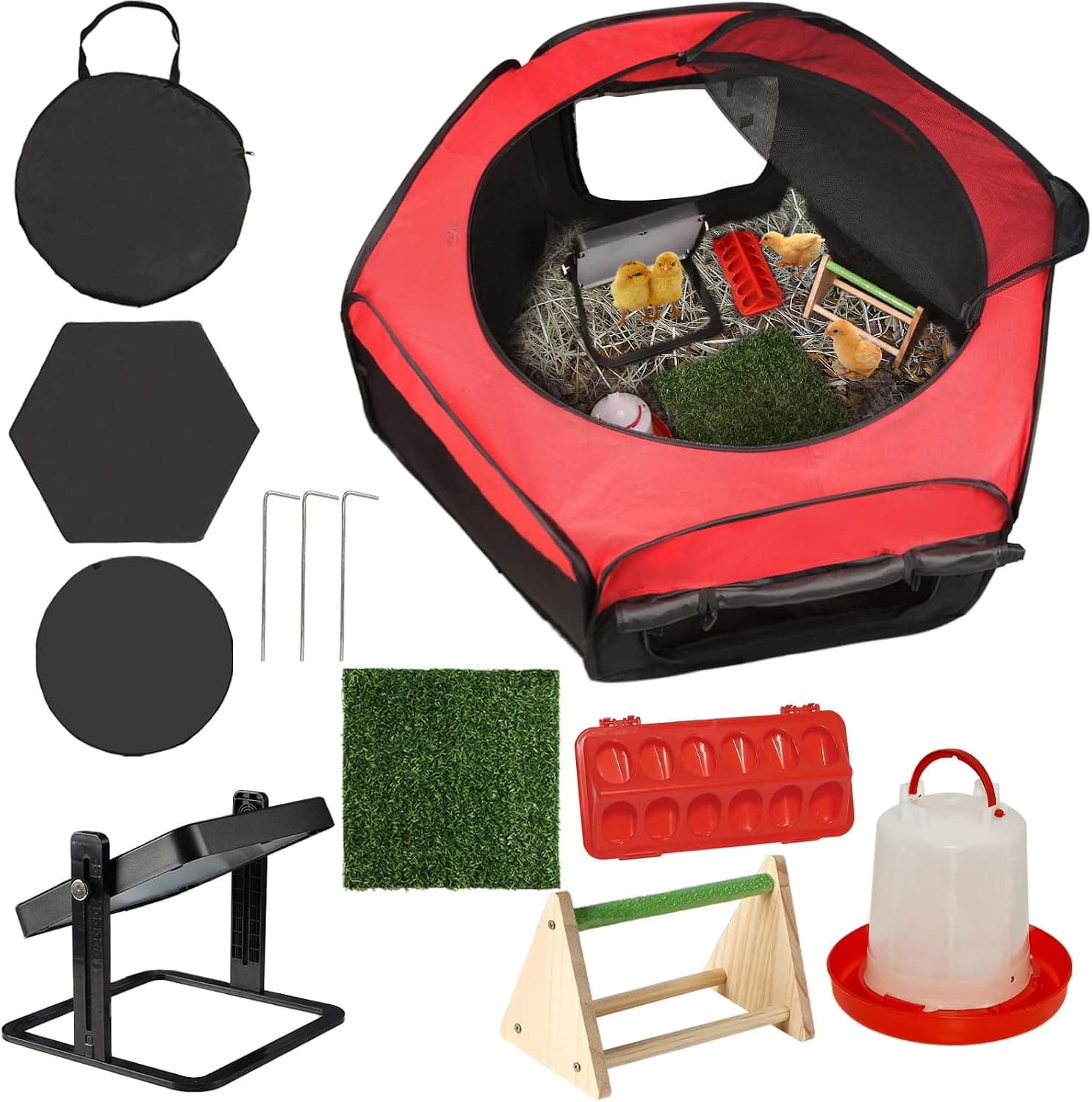
+ 10x10 in heating plate is included, a safer heat source than lamps
From our guide: Best Chick Starter Kits
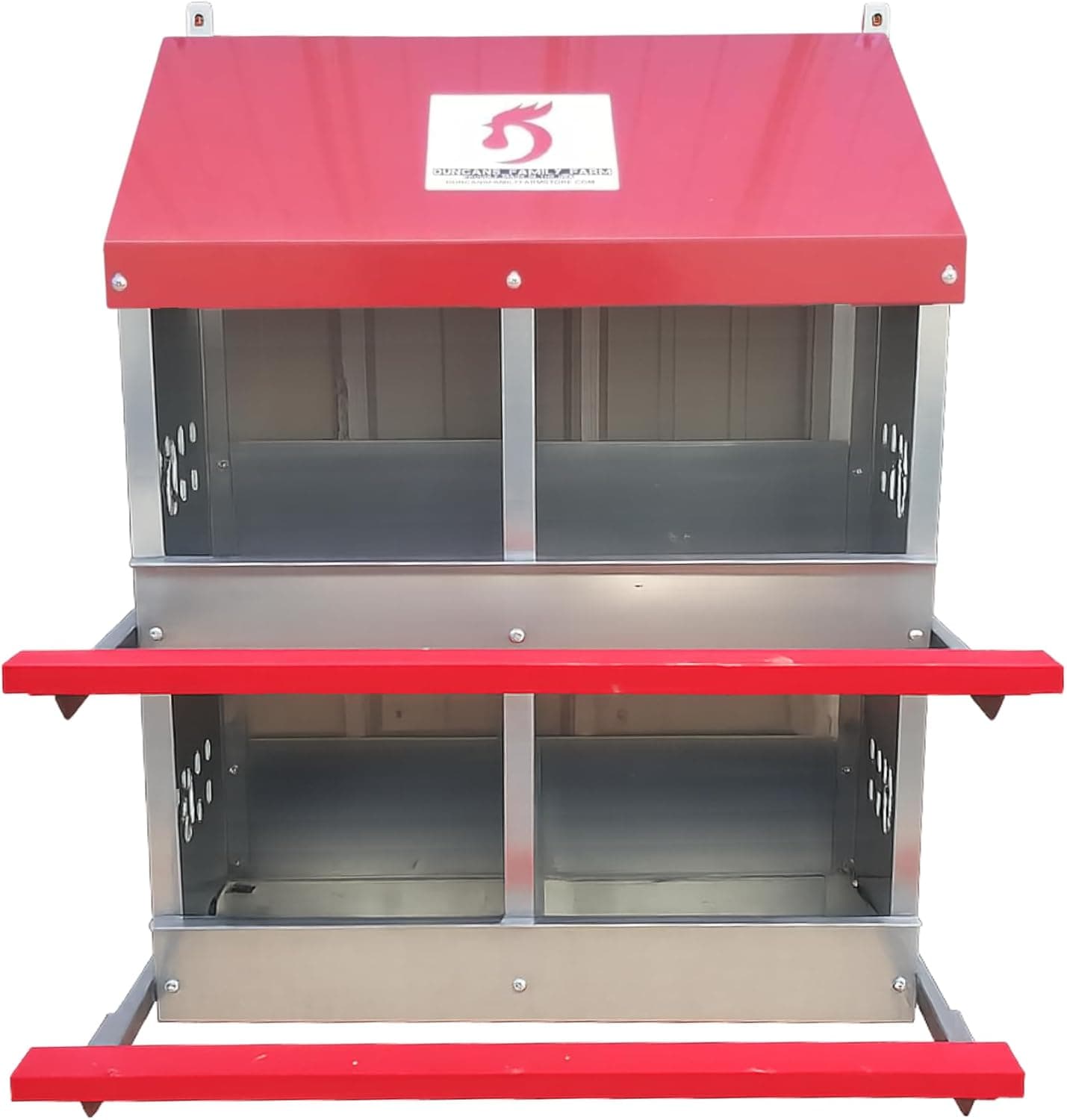
+ American made galvanized steel lasts for many seasons of use
From our guide: Best Nesting Boxes for Chickens
+ Spinning reflective rods create flashes that unsettle birds of prey
From our guide: Best Hawk Deterrents for Backyard Chicken Runs
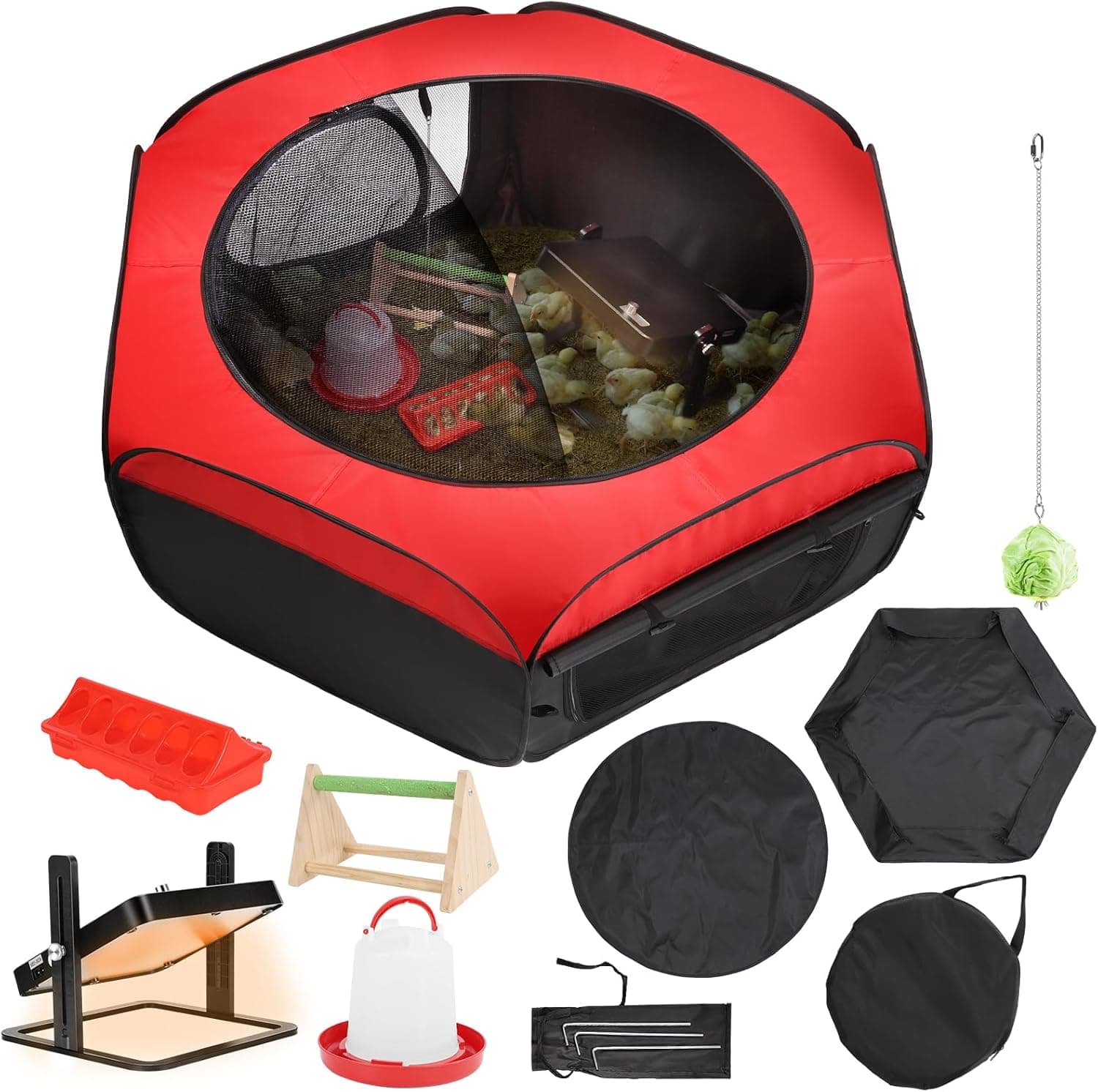
+ Veggie hanger adds early enrichment that most kits leave out
From our guide: Best Chick Starter Kits

Popular right now
- Best Poop Trays for Under RoostsBuying guide
- How Much Space Chickens Need in the Coop and RunArticle
- Free Ranging Chickens SafelyArticle
- Composting Chicken Manure SafelyArticle
- Best Nesting Pads for Nest BoxesBuying guide
- The Deep Litter Method ExplainedArticle
Based on the last 28 days of search and visitor data.