Chicken Molting Explained
Published How we research
Molting is the annual shedding and regrowth of feathers, usually triggered by shortening daylight, with most hens having their first significant molt around eighteen months. It follows a rough order of head, body, wings, then tail, with new pin feathers taking six to twelve weeks to fully grow in. Egg production stops or drops sharply since feathers are mostly protein and a hen can't build both at once, a natural pause rather than a problem. Switch to a higher-protein feed around 18-20 percent during the molt and skip scratch grain. Reduce stress by avoiding flock changes and minimizing handling, since pin feathers are painful. Molting is the annual process of shedding old feathers and growing a fresh set. It looks alarming the first time you see it, since a hen can go from sleek to ragged in a few days and the coop floor ends up looking like the scene of an accident. It is entirely normal, and understanding the timeline stops it from being a worry and helps you support the birds through what is genuinely a demanding few weeks.
Feathers wear out and get replaced annually
Feathers wear out. Over a year of scratching, dust bathing, weather and pecking order squabbles, they become broken, faded and less effective as insulation and waterproofing. Once a year, usually triggered by shortening daylight in late summer or autumn, a hen drops her old plumage and grows a replacement. Most birds go through their first significant molt at around eighteen months of age, since pullets hatched in spring lay through their first winter before molting the following autumn. After that it becomes an annual event.
A typical molt follows a rough order
A typical molt follows a rough order: head and neck first, then body, then wings and finally the tail. New feathers emerge as pin feathers, tightly wrapped in a waxy sheath with a blood supply inside, which is why molting hens dislike being handled and why a broken pin feather can bleed. As the feather grows the sheath flakes away. The whole process usually takes somewhere between six and twelve weeks. Some hens do a fast, dramatic molt and look terrible for a short time; others do a slow molt over months and barely look different. Fast molters are often the better layers.
Egg production stops, and that's not a problem
Egg production stops or drops sharply during a molt, and this is not a problem to solve. Feathers are roughly eighty to ninety percent protein, and a hen simply cannot build a full set of feathers and produce eggs at the same time. The pause is a natural rest that lets her rebuild body reserves. Pushing a molting hen to keep laying, whether through artificial light or otherwise, works against her recovery. Expect eggs to return several weeks after the new feathers are in, often with a noticeable improvement in shell and egg quality afterwards.
Adjust nutrition with higher protein
The most useful thing you can do is adjust nutrition. Many keepers switch from a standard layer ration to a higher-protein feed, such as a grower or an all-flock ration in the region of eighteen to twenty percent protein, for the duration of the molt, keeping oyster shell available free choice for any hens still laying. Good quality protein sources as supplementary treats, such as scrambled egg, mealworms or sunflower seeds, are welcome in moderation, but the complete ration should still make up the bulk of intake. Skip the scratch grain, which dilutes protein exactly when the birds need it most. Fresh clean water is as important as feed.
Reduce stress during the molt
Reduce stress during the molt. Do not integrate new birds, move the flock, or make major changes if you can avoid it. Handle molting hens as little as possible, because pin feathers are genuinely painful. Watch for bullying, since a bird with bare patches attracts pecking, and a molting hen low in the hierarchy can end up injured. Keep the coop clean and well ventilated, and stay on top of external parasites, since mites and lice hit a molting bird harder than a healthy feathered one.
Learn to tell a molt from a problem
Finally, learn to tell a molt from a problem. A molt shows uniform feather loss with visible pin feathers coming through, and the bird stays bright, active and eating. Feather loss without regrowth, bare patches only around the vent or at the base of the tail, broken feather shafts, scabs, or a bird that is lethargic and losing weight point elsewhere: mites, lice, feather picking, a rooster's attentions or illness. Also note that a hen can lose feathers on her back simply from mating. If feather loss comes with poor condition, laboured breathing or other signs of illness, get advice from a poultry veterinarian or your regional extension service.
Frequently asked questions
Why do chickens stop laying eggs when molting? Feathers are roughly 80 to 90 percent protein, and a hen simply cannot build a full set of feathers and produce eggs at the same time, so the pause is a natural rest.
How long does a chicken molt last? The whole process usually takes somewhere between six and twelve weeks, though some hens molt fast and dramatically while others molt slowly over months.
What should I feed chickens during a molt? Many keepers switch from a standard layer ration to a higher-protein feed, such as a grower or all-flock ration around 18 to 20 percent protein, for the duration of the molt.
How do I tell a normal molt from a health problem? A molt shows uniform feather loss with visible pin feathers coming through while the bird stays bright and active; bare patches without regrowth, scabs, or lethargy point to mites, lice, or illness instead.
Products from this article
The highest-scoring picks from the buying guides mentioned above. Scores are our editorial assessment, not customer ratings.
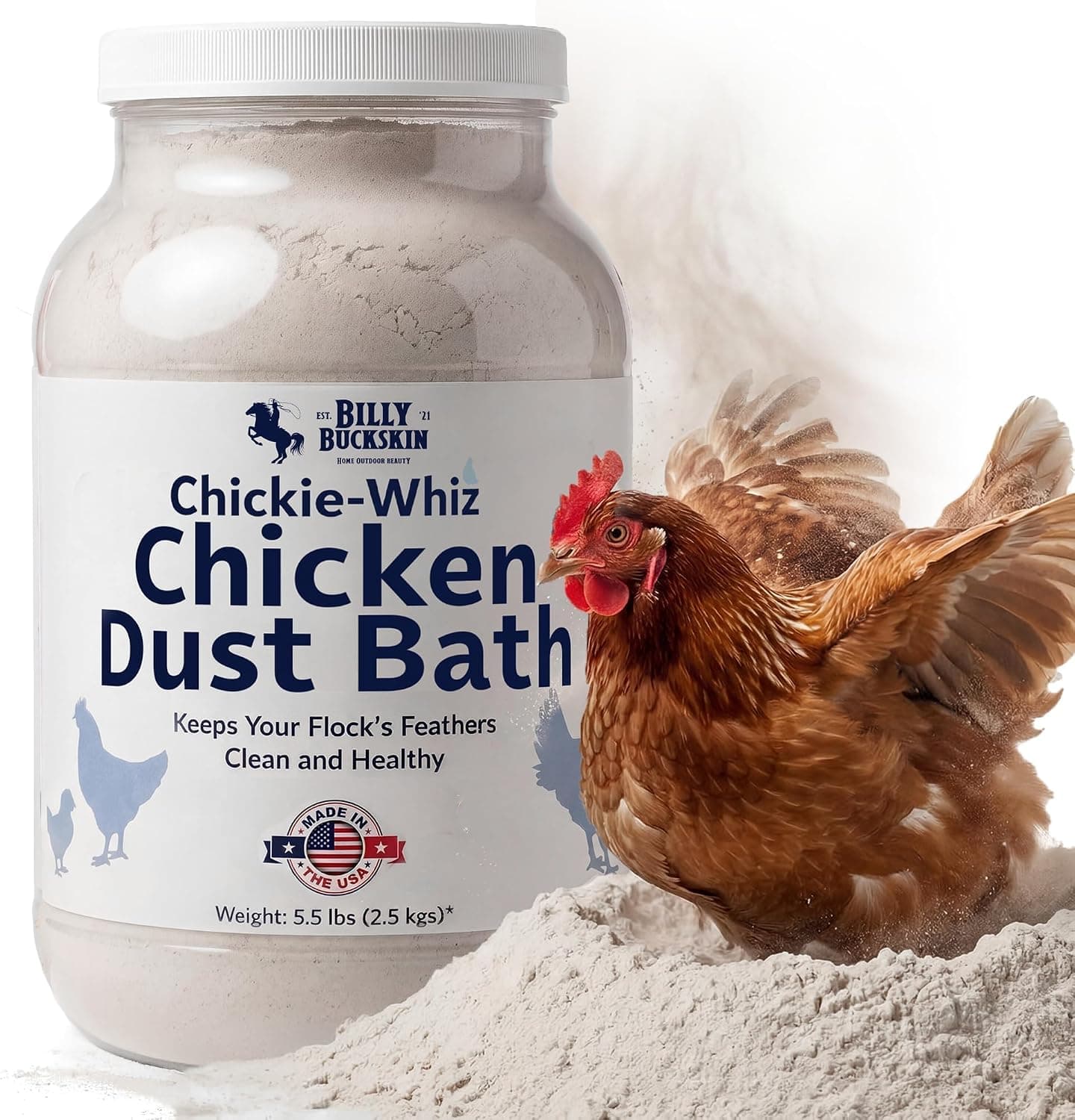
+ 11 lbs bag fills a proper dust bath for a whole flock
From our guide: Best Dust Bath Supplies for Happy, Clean Chickens
+ Smart app control lets you check and trigger the door remotely
From our guide: Best Automatic Chicken Coop Doors
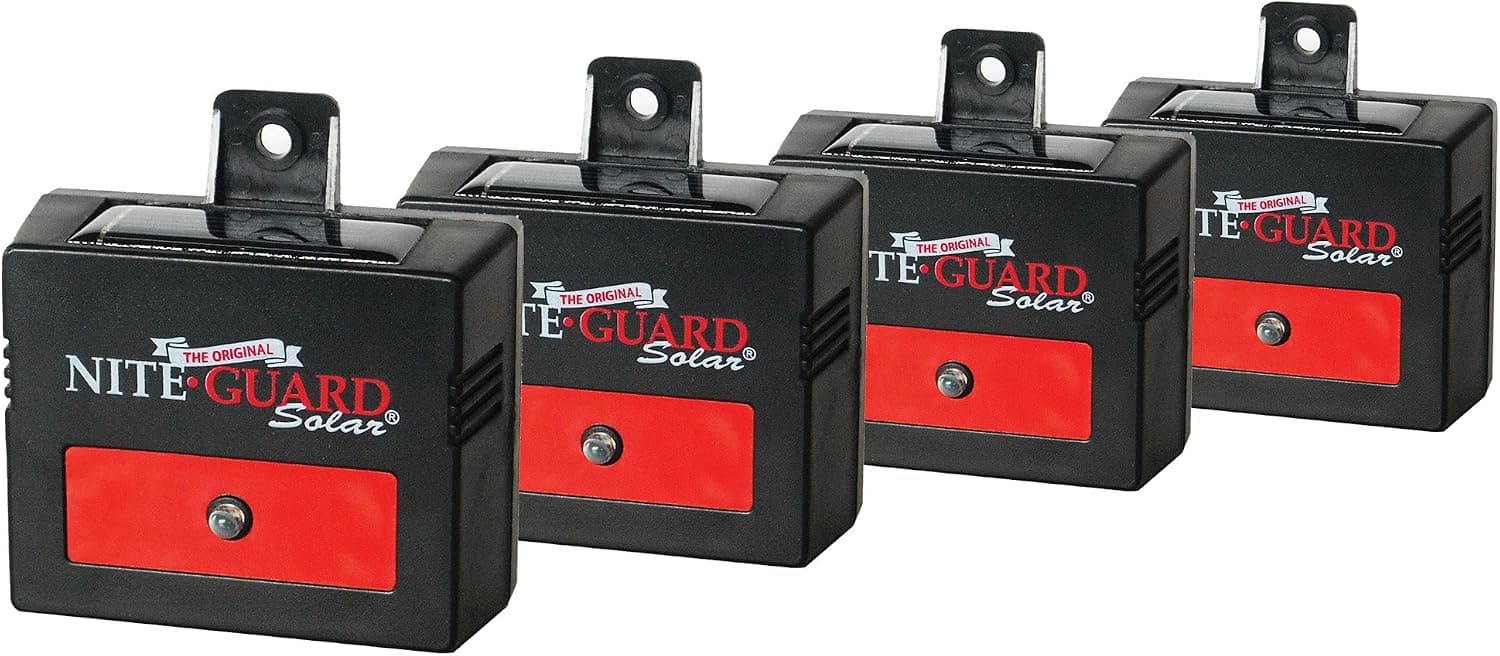
+ Pack of 4 lets you place one on each side of the coop
From our guide: Best Predator Deterrent Lights for Chicken Coops
+ Volcanic ash gives a fine texture hens love to roll in
From our guide: Best Dust Bath Supplies for Happy, Clean Chickens

Popular right now
- Best Poop Trays for Under RoostsBuying guide
- How Much Space Chickens Need in the Coop and RunArticle
- Free Ranging Chickens SafelyArticle
- Composting Chicken Manure SafelyArticle
- Best Nesting Pads for Nest BoxesBuying guide
- The Deep Litter Method ExplainedArticle
Based on the last 28 days of search and visitor data.