How to Build a Chicken Nesting Box (Size, Materials and Placement)
Published How we research
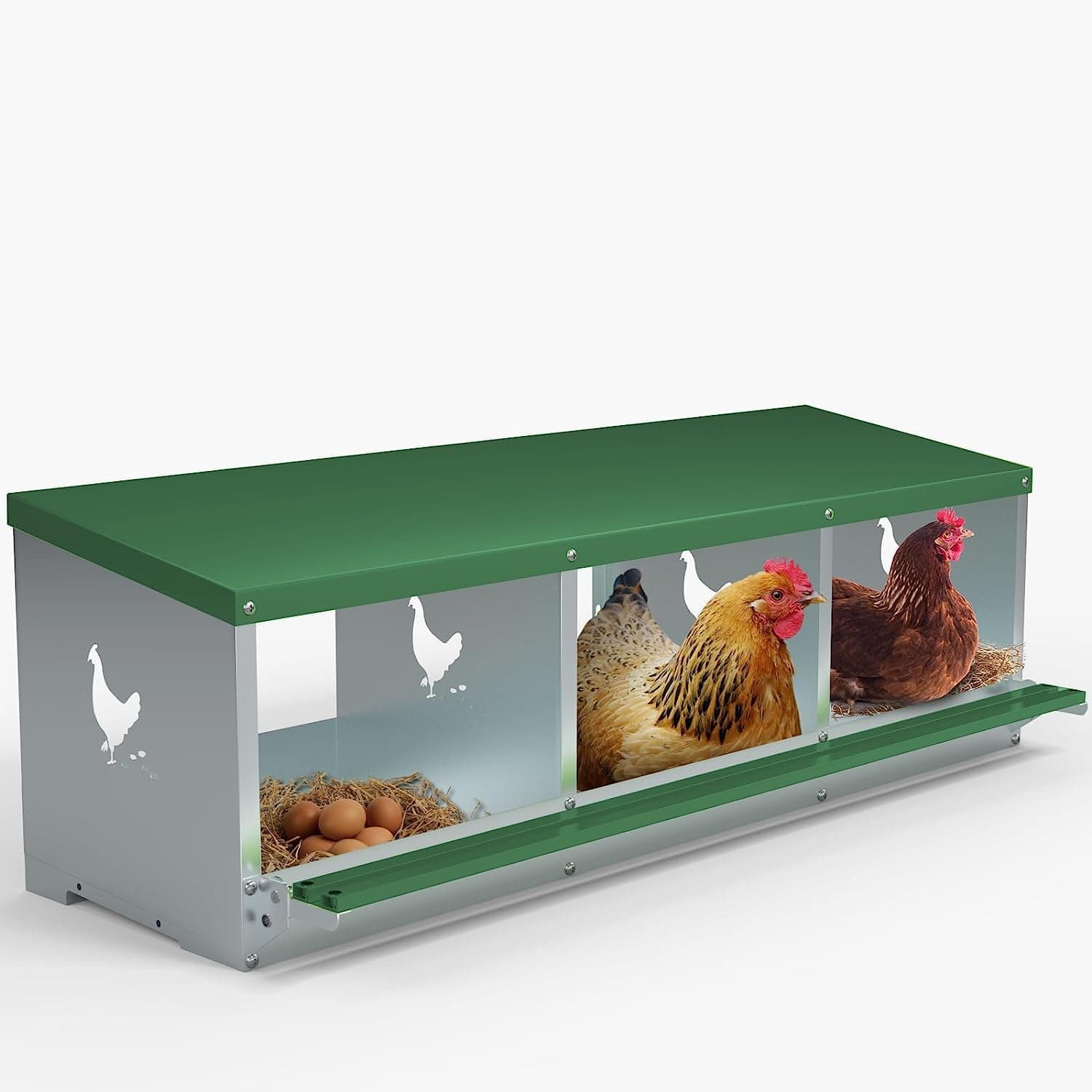
A good chicken nesting box is a 12 inch cube for standard breeds, open at the front with a lip of about 4 inches, set lower than the roosts and in a quiet, dim corner of the coop. Plan on one box for every 3 to 4 hens. You can build one from a single board of scrap lumber or a few pieces of plywood with basic tools, and it takes about an hour.
Products from this article
The highest-scoring picks from the buying guides this article links to. Scores are our editorial assessment, not customer ratings.
+ American made galvanized steel lasts for many seasons of use
From our guide: Best Nesting Boxes for Chickens
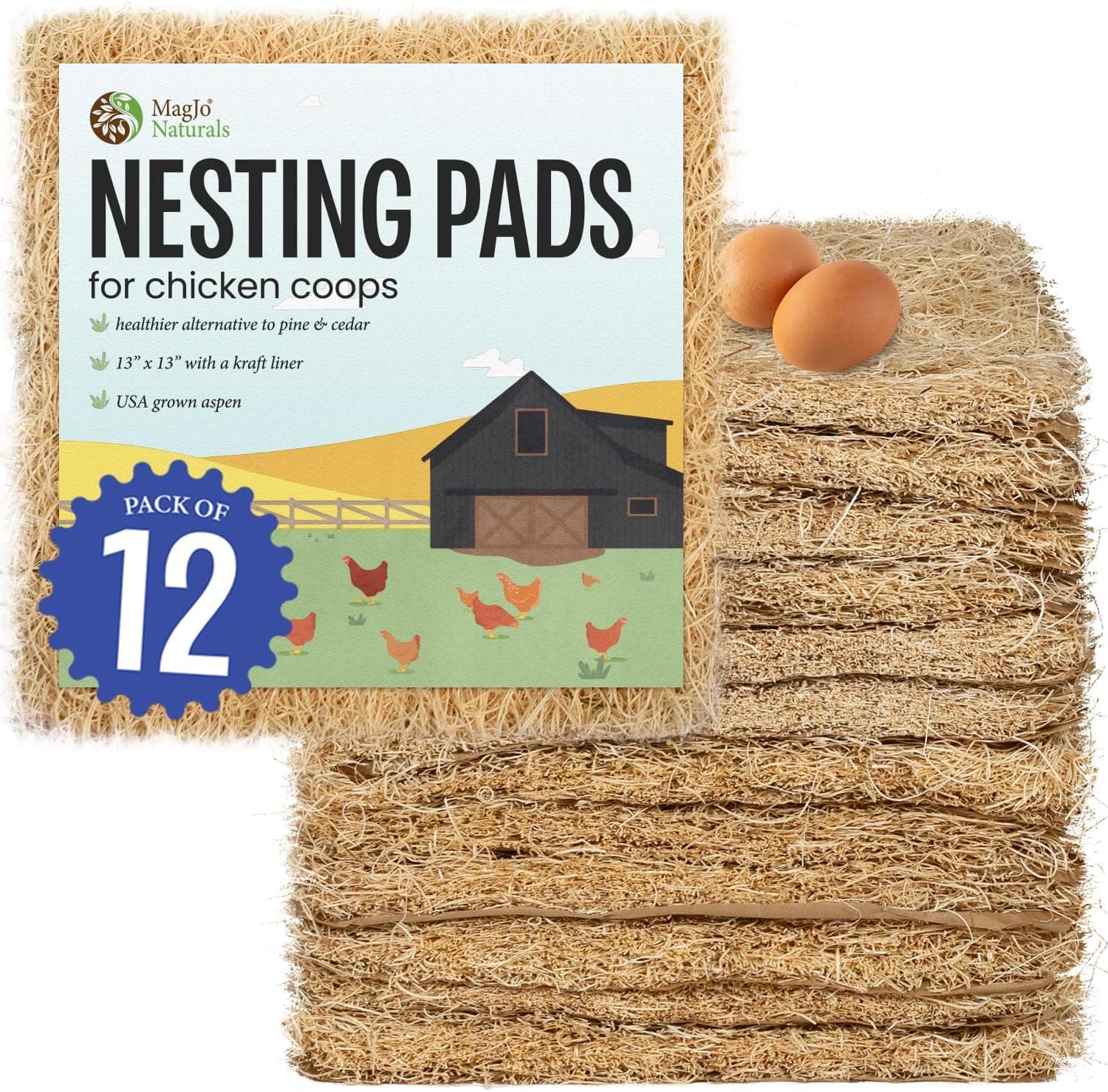
+ 12 Pack gives more changes per order than common pad bundles
From our guide: Best Nesting Pads for Nest Boxes
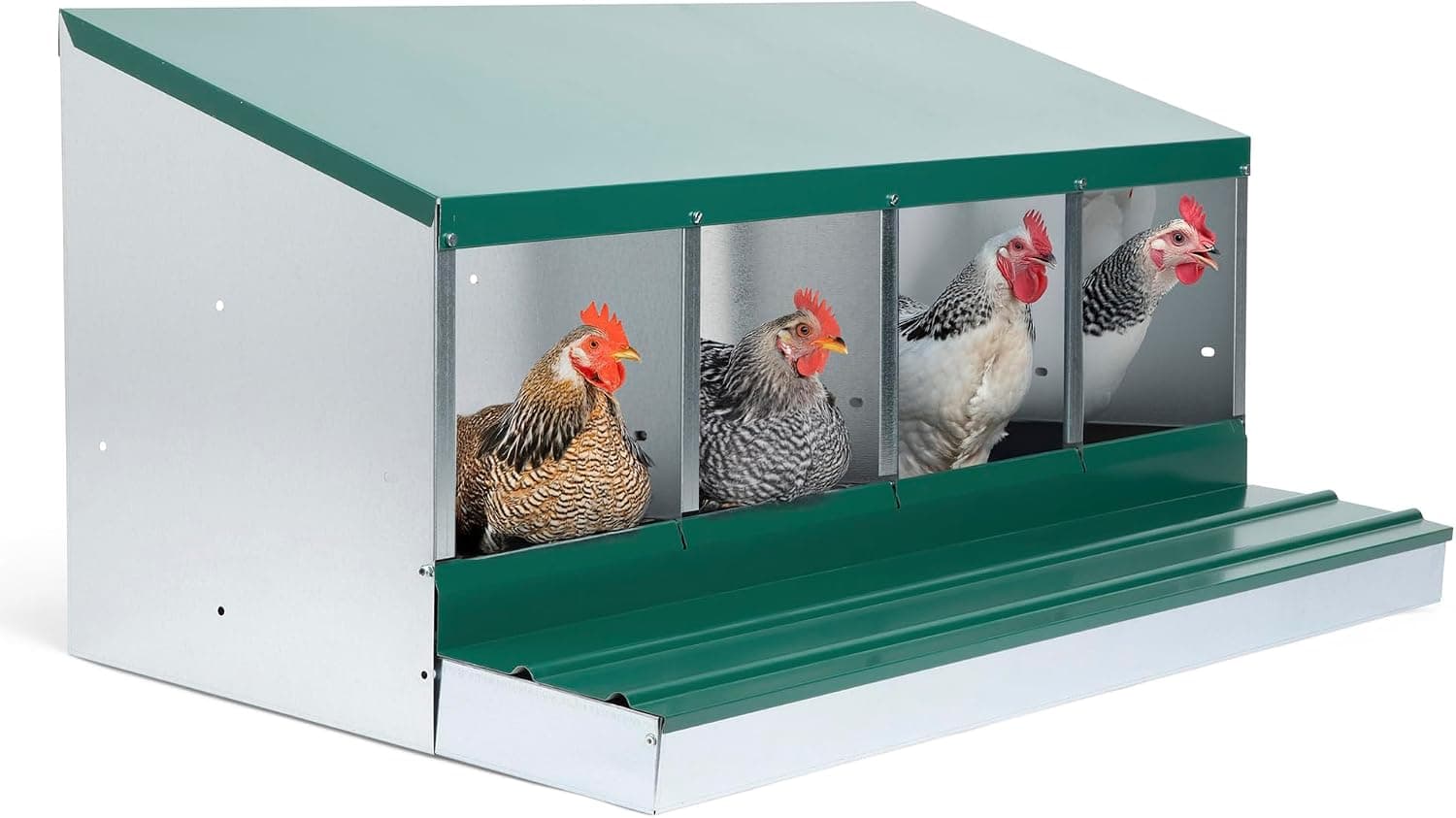
+ Forward rollout brings eggs to the front where you collect them easily
From our guide: Best Roll Away Nest Boxes
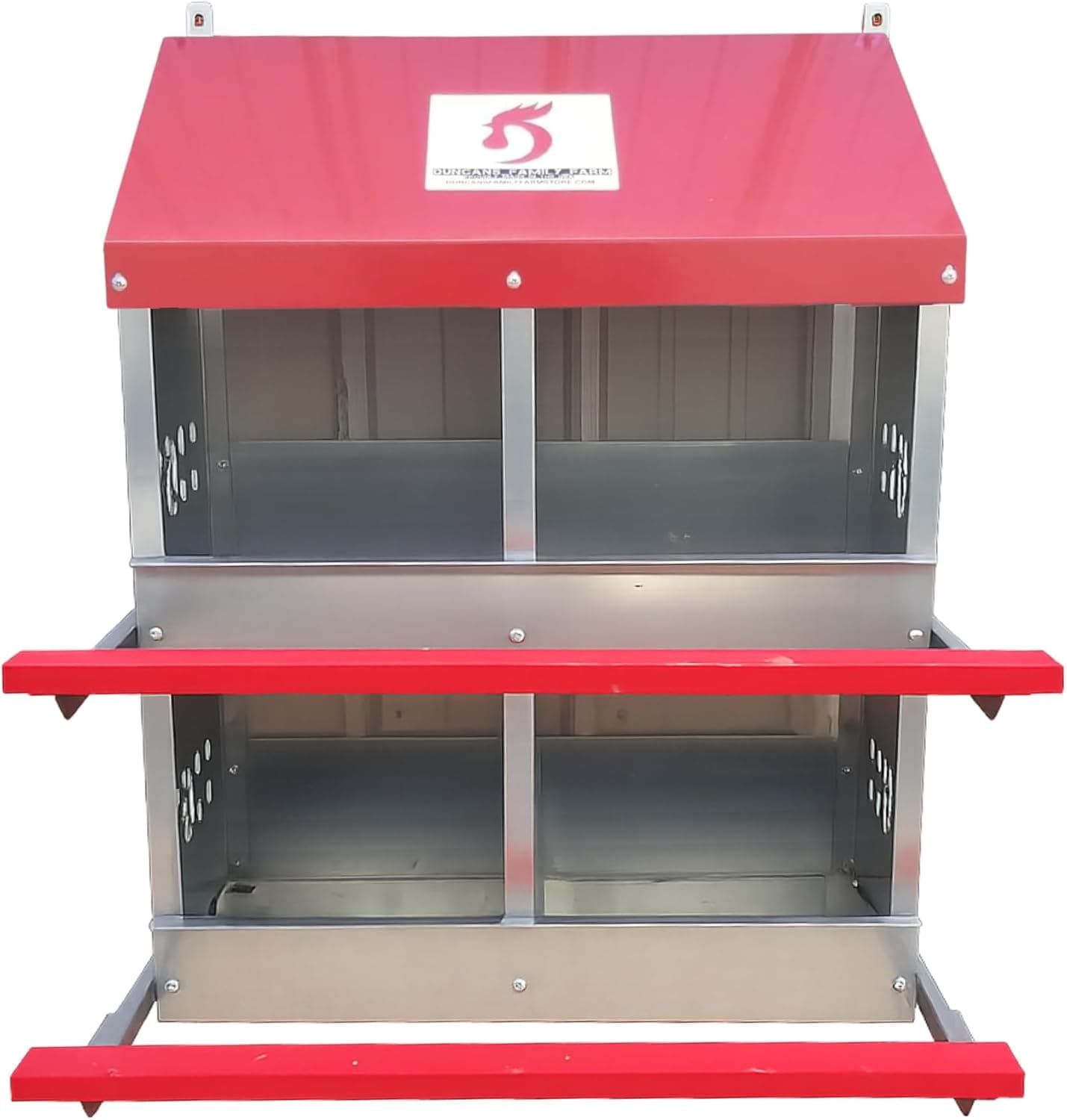
+ 8 compartments give a big flock room to lay without queuing
From our guide: Best Nesting Boxes for Chickens
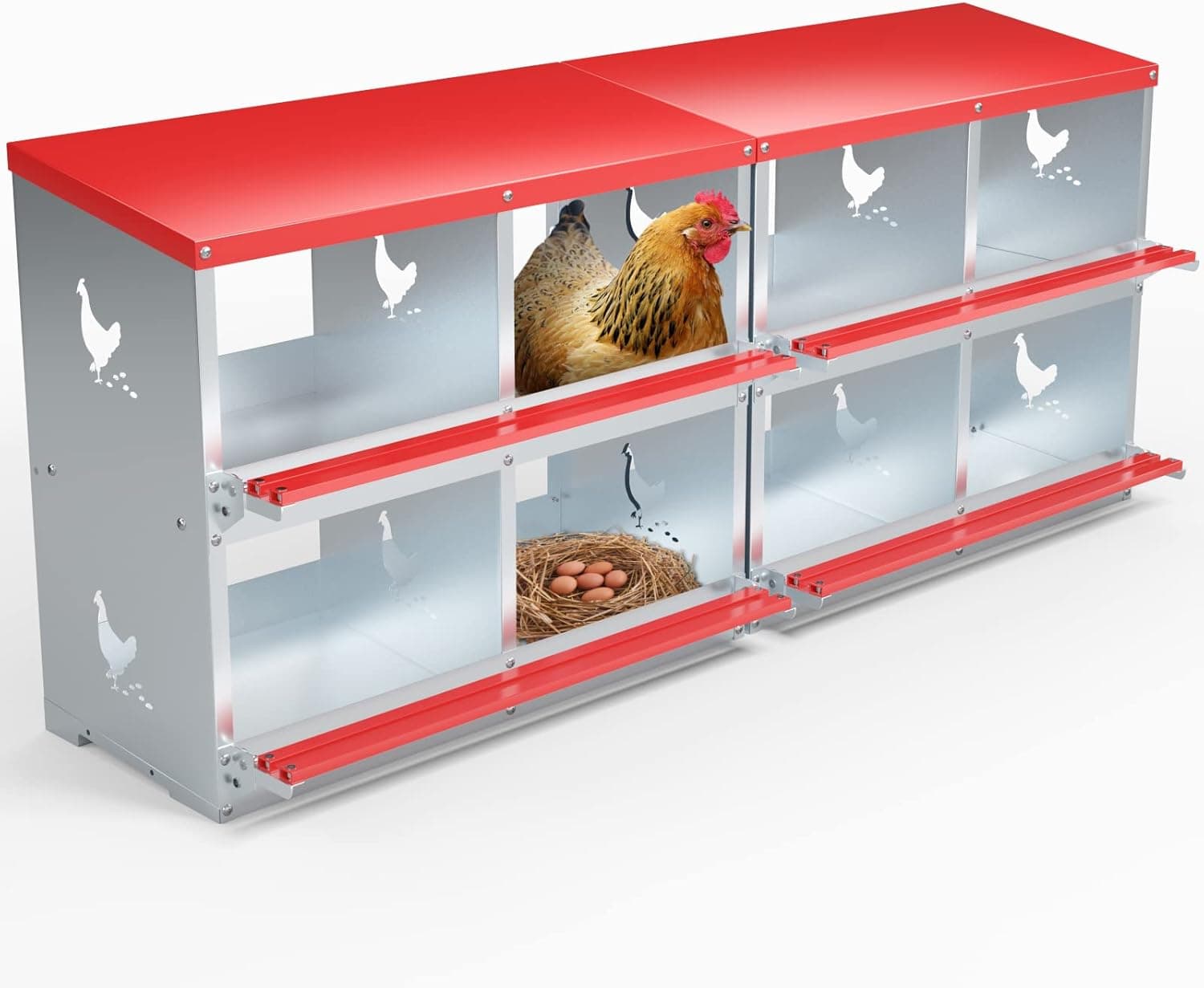
What a nesting box needs to do
A nesting box has to give a hen a private, dim, enclosed spot where she feels safe enough to lay, keep the egg clean, and let you collect it without a fight. Everything else is detail. Hens prefer a spot that is slightly dark, draft free and tucked away from the busiest part of the coop, which is why a plain box with a back wall and sides works better than an open shelf.
The second job is keeping hens from sleeping in the box. Birds roost at the highest spot they can reach, so a box that sits higher than the roost bars becomes a bedroom, and a bedroom fills with droppings that foul the eggs. Build the boxes lower than the roosting bars every time.
How big and how many
For standard size hens such as Rhode Island Reds, Plymouth Rocks and Orpingtons, a box about 12 inches wide, 12 inches deep and 12 inches tall is the usual size. Large breeds like Brahmas or Jersey Giants do better with about 14 to 16 inches each way. Bantams are fine with 10 inch boxes. If the box is too small hens will not fit, and if it is huge two hens may squeeze in and break eggs.
The usual count is one box for every 3 to 4 hens. Hens tend to queue for a favorite box even when others are empty, so more boxes do not stop that, but fewer than one per 5 hens leads to crowding and cracked eggs. A flock of 8 does well with 2 or 3 boxes. Building a row of three side by side with dividers is the easiest layout.
Materials and tools
A single box needs roughly a 2 by 4 foot piece of 1/2 inch or 3/4 inch plywood, or about 8 feet of 1x12 lumber, plus wood screws about 1 1/4 to 1 5/8 inches long, a drill, a saw and a tape measure. Untreated wood is the safe default for the inside of the box. Seal the outside with a paint you would use on a play structure if you want it to last, and leave the interior bare so hens are not scratching at a coating.
Skip anything with exposed sharp edges or splinters, because hens will brush against every surface. Sand the front lip and top edges. Plastic buckets and milk crates also work as a no-build option, and they wipe clean quickly, though wood is quieter and a little warmer in winter. If you would rather not build at all, compare ready-made options in our guide to the best nesting boxes.
Step by step build
Cut a bottom, a back, two sides and a roof for each 12 inch box. The bottom is 12 by 12 inches, the back and sides are 12 inches tall, and the roof should slope so droppings and eggs do not collect on top. A common trick is to cut the sides with a slant from 14 inches at the back to 12 inches at the front, then set a roof panel over them that drops toward the front. Screw the sides to the bottom, add the back, then attach the roof. For a row of boxes, build one long unit with plywood dividers every 12 inches.
Add a front lip of about 4 inches high across the bottom. It holds bedding and eggs in without blocking the hen. Leave the rest of the front open, or hang a short curtain if hens are laying in a corner of the coop instead of the box. Drill a few small holes in the bottom if the box will sit outside the coop, so moisture can drain, and screw a perch or landing board 6 to 8 inches in front of the box so hens can step up easily.
Where to put it in the coop
Mount the box 18 to 24 inches off the floor, or set it on the floor if your hens are heavy breeds or older. Keep it lower than the roost bars, in the darkest, quietest corner, away from the door and feeders. The box should be easy for you to reach. An external lid or hatch that opens from outside the coop lets you collect eggs without stepping in and saves a lot of time.
Line the base with pine shavings, hemp or straw about 2 to 3 inches deep. Nesting pads make cleaning faster and hold their shape in a busy box, and you can check the options in our nesting pads guide. If hens keep sleeping in the box, block it with a board at dusk for a few nights until they get used to the roost. Replace soiled bedding when it gets damp, and clean the whole box out between flocks or when you find mites.
One more thing: fake eggs. Wooden or ceramic eggs in a new box tell hens where to lay, and a few golf balls work in a pinch. Place them in the box a week before your pullets start laying, usually somewhere around 18 to 22 weeks of age depending on breed.
Frequently asked questions
How many nesting boxes do I need for 6 chickens? Two boxes is the usual answer, and three is comfortable. Hens often favor one box, so do not be surprised if all of them lay in the same one while the others stay clean.
Why won't my hens use the nesting box I built? Common causes are a box that is too bright, too exposed, higher than the roost, or too small. Move it to a darker corner, add a curtain or lower it below the roost bars, and place fake eggs inside for a few days.
Can I use a bucket or crate as a nesting box? Yes. A 5 gallon bucket laid on its side with a lip works, as does a milk crate lined with bedding. Wood boxes are quieter and more durable, but a bucket is fine, especially for a starter coop.
Should the nesting box be inside or outside the coop? Either works. Boxes attached to the outside wall with a hinged lid save floor space and make egg collection easy, but inside boxes are fine if you can reach them without trouble. Roll-away designs, covered in our roll-away nest box guide, keep eggs from being pecked.
Popular right now
- Best Egg Washers and Brushes for Cleaning Fresh EggsBuying guide
- Predator Proofing KitCollection
- Best Chicken Scratch and TreatsBuying guide
- Best Heat Lamps for Chicks (and Safer Alternatives)Buying guide
- Best Chick Starter KitsBuying guide
- Best Poop Trays for Under RoostsBuying guide
Based on the last 28 days of search and visitor data.