Blank 12-Egg Flat Top Paper Pulp Egg Carton with Nutrition Facts, 125 Pack Review (2026)
Updated September 14, 2026 · Research-based review
Our verdict
This 125 pack of blank flat top paper pulp cartons prints nutrition facts and safe handling information right on the carton, saving a step for keepers who sell eggs regularly, and 125 sits as a middle bulk size between smaller trial packs and the largest 250 count option.
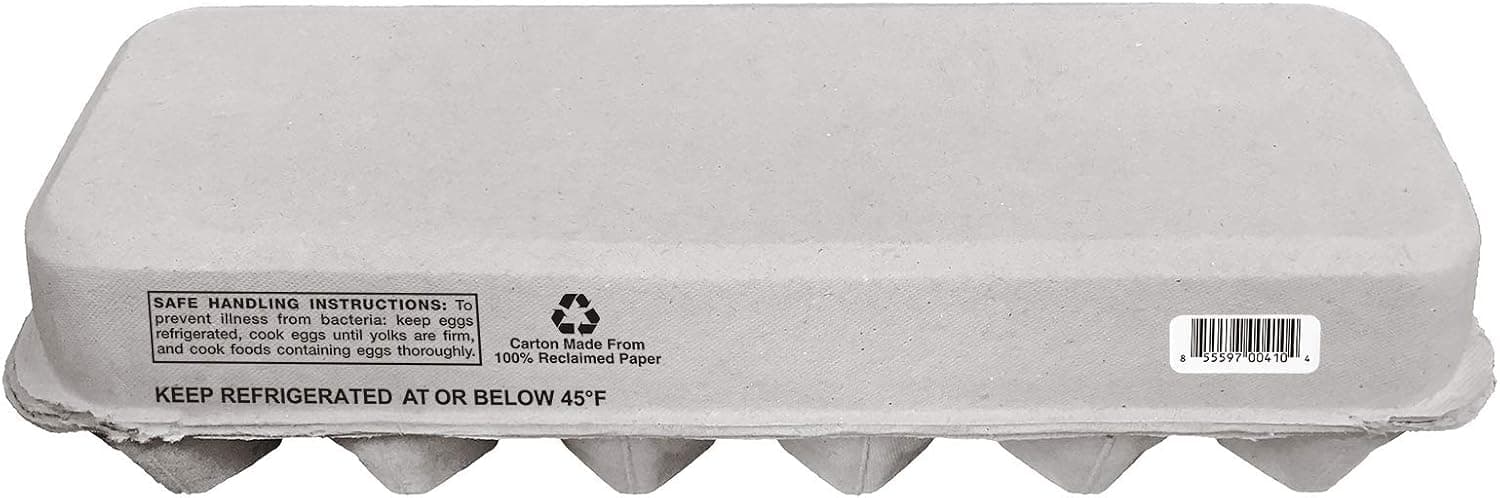
A 125 Pack of 12-Egg flat top paper pulp cartons with nutrition facts, ready for selling eggs at a farm stand.
Price range: $ (Budget)
What we liked
- + Printed nutrition facts help when selling eggs to customers
- + 125 Pack is a middle-ground bulk size for regular sellers
- + Flat top gives space for a farm name label
Trade-offs
- - Check local rules, since some areas require extra labeling details
- - Printed panel limits space for custom decoration
Who this product fits
Keepers who sell eggs at a farm stand, farmers market or to regular customers are the clear audience for this carton, since the printed nutrition facts and safe handling information on the carton itself is exactly what many buyers expect to see and what some local regulations require before eggs can be sold. Someone who only keeps chickens for personal use and never sells eggs does not need printed nutrition information and could use a plainer carton instead. At 125 count, this pack suits a seller moving a moderate, steady volume of eggs, more than a trial pack of a dozen or two but without committing to the largest 250 pack size, which is a better fit once a seller has an established, higher volume routine.
What the specs mean day to day
Each carton holds a standard dozen eggs sized for small through extra large eggs, and the flat top style means the lid is a plain flat panel rather than a domed or windowed design, giving a keeper space to add their own stamp, sticker or farm name label on top since the surface is otherwise blank aside from the printed nutrition panel. The nutrition facts and FDA safe handling instructions are printed on the inside of the lid and the back panel, which is the standard layout expected on commercially sold eggs, and an optional UPC barcode area gives sellers the option to add one if their local retail setup requires it. Being made from paper pulp rather than plastic or foam means the cartons are biodegradable and compostable, which some customers specifically look for.
Living with it: use and storage
Paper pulp cartons like these are sturdy enough to be reused by customers who bring them back for a refill, which many small egg sellers encourage as a way to cut down on packaging costs over time, though a returned carton in rough shape is still worth swapping for a fresh one before resale. Because the nutrition and handling information is already printed, there is one less step compared with a fully blank carton where a seller would need to add that information separately to stay compliant with local egg sale rules. Storing a case of 125 cartons takes a reasonable amount of dry space, and paper pulp can absorb moisture if kept somewhere damp, so a dry closet or shelf rather than a barn floor is the better storage spot.
Trade-offs and how it compares
Against the larger 250 pack version of the same blank flat top carton, this 125 count is the better choice for sellers who do not move eggs quickly enough to use up 250 before wanting a design change or before cartons start to show wear from storage. Compared with plastic egg cartons sold in bulk packs of 48, this paper pulp option is more in line with a farm-fresh, eco-conscious presentation that many direct-to-customer egg sellers prefer, though plastic cartons let customers see the eggs before buying, something this opaque paper carton does not offer. Against smaller producers like MT Products' 15-count natural pulp cartons, this listing's printed nutrition panel is a meaningful convenience difference for anyone who needs that information on the package.
Verdict and who should pick something else
For a keeper selling eggs at a moderate, steady pace who wants nutrition facts and safe handling information already printed on the carton, this 125 pack is a practical middle ground that matches our score of 8.6/10 for value at this size. Anyone just starting to sell eggs in small numbers should check local labeling rules first, since requirements vary by location, and a smaller trial pack may make more sense before committing to 125 units. High volume sellers moving eggs quickly are likely better served by the 250 pack for a lower per-carton cost, and anyone who wants customers to see the eggs before buying should look at a clear plastic carton instead.
Frequently asked questions
Does this carton include nutrition facts and safe handling information?
Yes, both the nutrition facts and FDA safe handling instructions are printed on the carton, along with an optional space for a UPC barcode.
What egg sizes fit in this carton?
The standard cell size is designed to hold small through extra large eggs, covering the typical range most backyard flocks produce.
Can I add my own farm label to the carton?
Yes, the flat top design leaves room to add a sticker or stamp with your own farm name or branding on top of the carton.
Should I choose the 125 pack or the 250 pack?
Choose based on how quickly you sell eggs. The 125 pack suits moderate, steady sellers, while high volume sellers get a lower per-carton cost from the 250 pack.
Prices change often, so check the current price and availability on Amazon.
Check price on AmazonChicken Coop Nest may earn a commission from the link above.