What Chickens Can and Cannot Eat
Published How we research
A complete formulated feed should make up the large majority of a flock's diet, with treats kept to around ten percent of intake to avoid diluting nutrition. Good supplements include leafy greens, most vegetables, moderate fruit, and occasional protein extras like mealworms. Avoid raw or dried beans, avocado, green potato and nightshade plant leaves, rhubarb leaves, chocolate, and anything moldy or heavily processed. Bread and meat scraps are fine only in small amounts. Grit and free-choice calcium (oyster shell) are two supplements confined or laying birds specifically need. Clean water is the single most important nutrient and limits both feed intake and egg production. Chickens are omnivores with a broad appetite and very little judgement, which is a useful combination for turning kitchen scraps into eggs and a slightly risky one for their health. The safest framework is simple: a complete formulated feed appropriate to the birds' age should make up the large majority of what they eat, with treats and scraps as a modest supplement, plus free-choice grit and calcium for birds who need them.
Products from this article
The highest-scoring picks from the buying guides this article links to. Scores are our editorial assessment, not customer ratings.
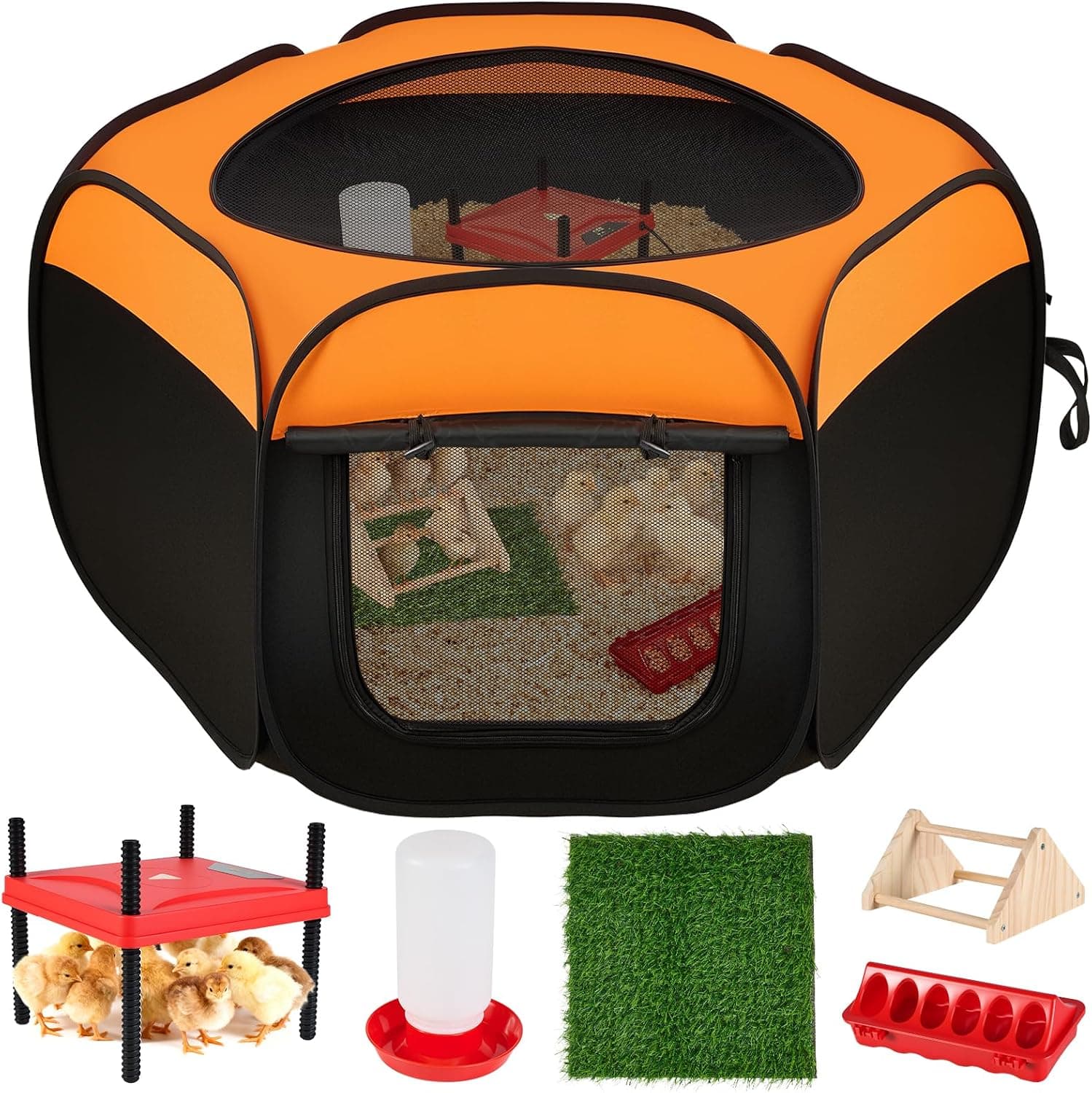
+ 10x10 in heating plate is included, a safer heat source than lamps
From our guide: Best Chick Starter Kits
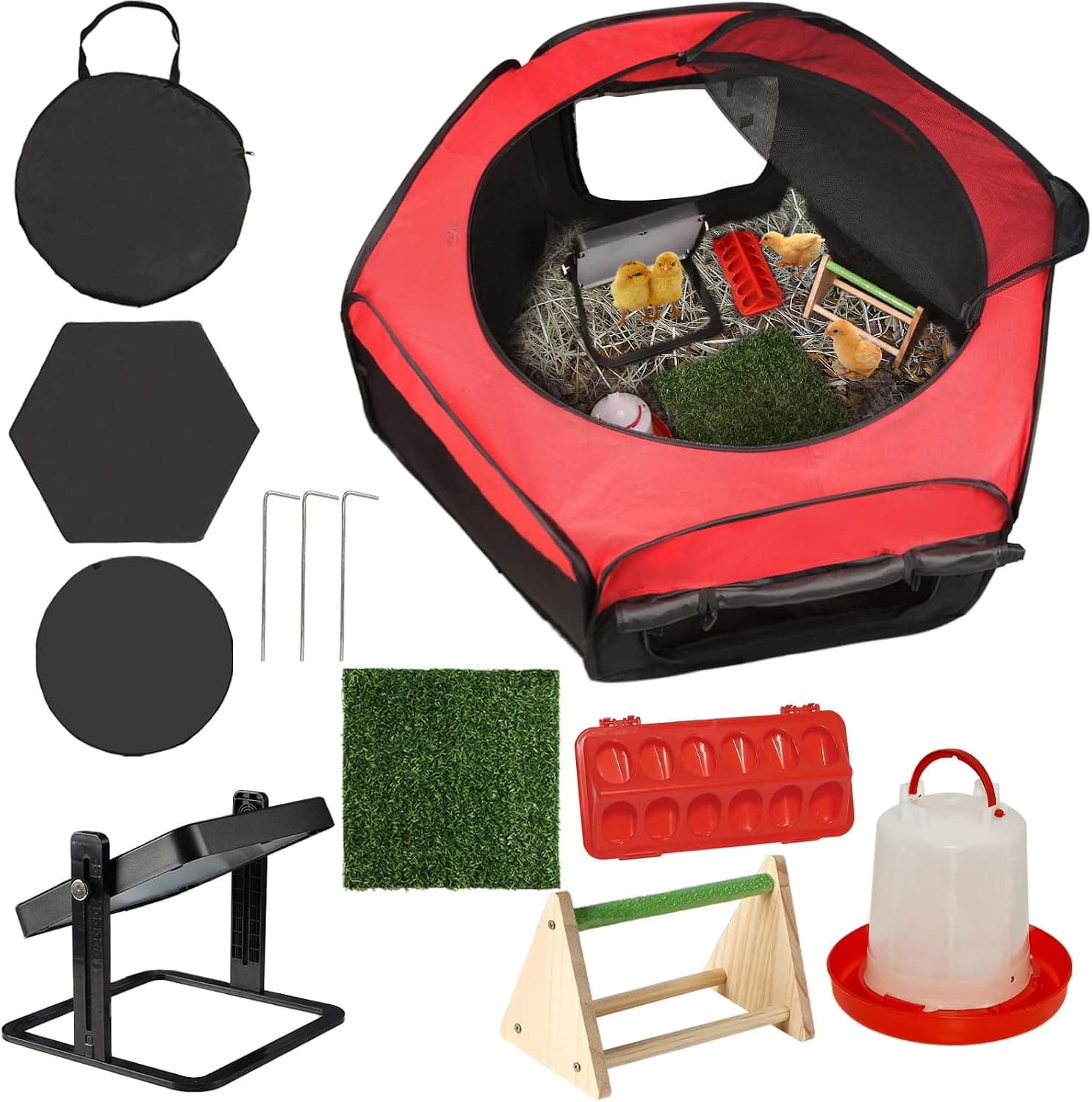
+ 6 Pack means spare bulbs are ready when one burns out mid-brood
From our guide: Best Heat Lamps for Chicks (and Safer Alternatives)
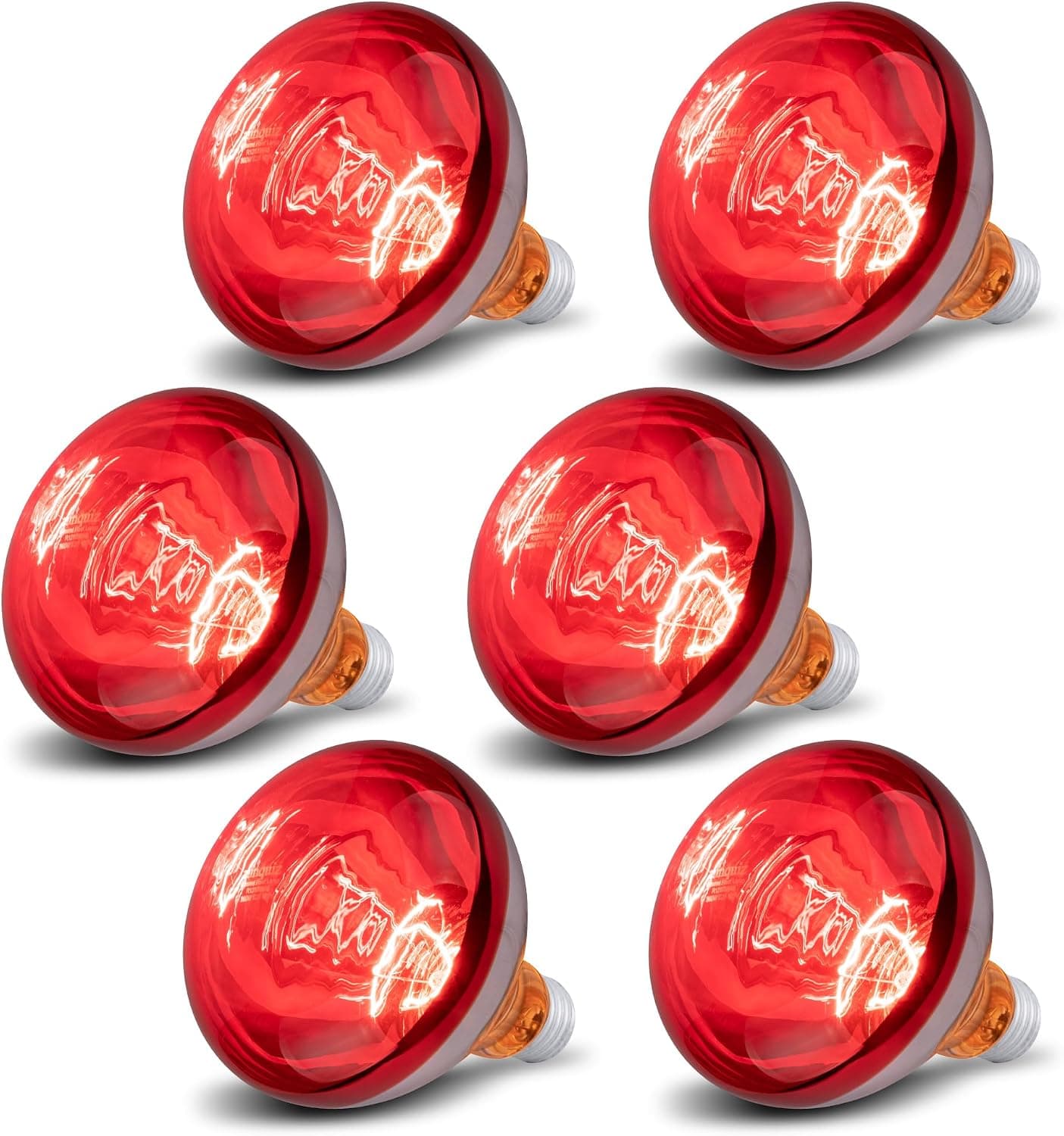
+ Manna Pro is a widely stocked poultry feed and treat brand
From our guide: Best Chicken Scratch and Treats
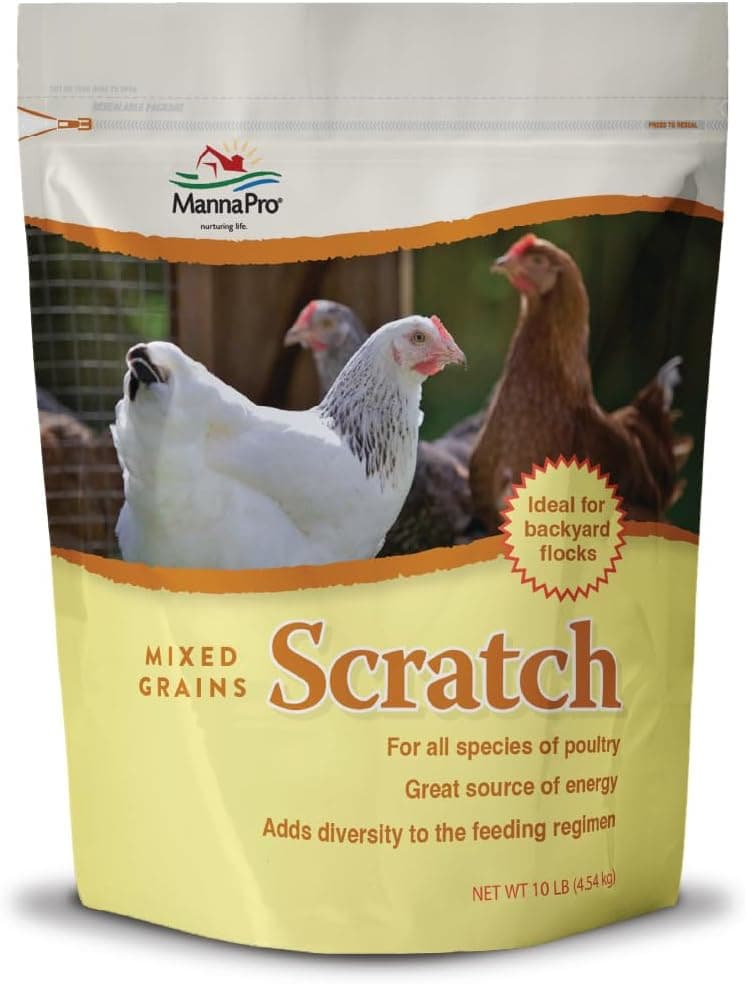
+ Heating plate and nesting pad included for a full warm setup
From our guide: Best Chick Starter Kits
Start with the base ration, because it determines health
Start with the base ration, because it is what actually determines health and production. Chick starter, grower and layer feeds are formulated to supply the right balance of protein, amino acids, vitamins and minerals for each life stage. Treats dilute that balance. A common guideline is to keep treats to around ten percent of total intake. A flock filled up on scratch grain, bread and vegetable scraps is effectively on a low-protein, unbalanced diet, and the results show up as thin shells, poor feathering and reduced laying.
Plenty of foods are genuinely good supplements
Plenty of foods are genuinely good supplements. Leafy greens such as kale, chard, lettuce and cabbage are popular and can be hung up to provide entertainment. Most vegetables work well: cucumbers, courgettes, pumpkin and squash including the seeds, carrots, peas, broccoli, cooked sweet potato and cooked plain beans. Fruits such as berries, melon, apple flesh, banana and stone fruit flesh are welcome in moderation, though they are sugary. Cooked plain grains, oats and cooked pasta or rice are fine occasionally. Protein extras such as mealworms, scrambled or cooked eggs, and plain yoghurt in small amounts are useful during a molt. Herbs, garden weeds and grass clippings that have not been treated with chemicals are all fine.
The avoid list is shorter but important
The avoid list is shorter but important. Do not feed dried or raw beans, especially kidney beans, which contain a toxin that is destroyed only by proper cooking. Avoid avocado, particularly the skin and stone. Green or sprouted potato and potato peel, along with green tomato and the leaves of tomato, potato, aubergine and pepper plants, all belong to a plant family containing solanine and are best kept away. Rhubarb leaves, onion in quantity, chocolate, coffee grounds, alcohol and anything heavily salted, sugary, fried or highly processed should not be offered. Never feed mouldy or spoiled food, since some moulds produce toxins that are dangerous in very small amounts, and do not offer raw eggshell in recognisable form, because it encourages egg eating.
Some common questions have nuanced answers
Some common questions have nuanced answers. Bread is not toxic but is empty calories and swells in the crop, so keep it to a rare scrap. Meat scraps are not harmful in themselves, chickens are natural predators of insects and small animals, but raw meat and dairy in quantity spoil quickly, attract vermin and can cause digestive upset. Citrus is widely debated; small amounts are generally fine, and most chickens are simply uninterested. Scratch grain is a treat, not a feed, and is best given in small amounts, particularly in cold weather. Many regions also have legal restrictions on feeding kitchen waste to poultry, so check your local rules.
Two supplements deserve their own mention
Two supplements deserve their own mention. Grit is small insoluble stone that sits in the gizzard and grinds food, and any bird eating anything other than formulated crumble or pellets needs access to it. Ranging birds usually find their own; confined birds and those in snow need it provided. Calcium, usually as crushed oyster shell, should be offered free choice in a separate container so laying hens can take what they need and non-laying birds are not forced to consume excess. Do not mix calcium into the feed of a mixed-age flock.
Water is the single most important nutrient
Finally, remember water. It is the single most important nutrient, it is what limits both feed intake and egg production first, and a flock that goes even part of a day without clean liquid water will show it. Provide more containers than you think you need, keep them clean, and check them daily. If a bird stops eating, loses condition, has a swollen crop or shows any sign of illness, that is a matter for a poultry veterinarian or your regional extension service rather than a dietary experiment.
Frequently asked questions
What percentage of a chicken's diet should be treats? A common guideline is to keep treats to around ten percent of total intake, with a complete formulated feed making up the large majority so nutrition doesn't get diluted.
What foods are toxic to chickens? Raw or dried beans (especially kidney beans), avocado, green or sprouted potato and its peel, tomato and potato plant leaves, rhubarb leaves, chocolate, coffee grounds, alcohol, and moldy or spoiled food.
Do chickens need grit if they eat formulated feed? Any bird eating anything other than formulated crumble or pellets needs access to grit, which sits in the gizzard and grinds food; confined birds and those in snow especially need it provided.
Can chickens eat bread and meat scraps? In small amounts only. Bread is empty calories that swells in the crop, and meat scraps are fine occasionally but spoil quickly and can attract vermin or cause digestive upset in quantity.
Popular right now
- Best Egg Washers and Brushes for Cleaning Fresh EggsBuying guide
- Predator Proofing KitCollection
- Best Chicken Scratch and TreatsBuying guide
- Best Heat Lamps for Chicks (and Safer Alternatives)Buying guide
- Best Chick Starter KitsBuying guide
- Best Poop Trays for Under RoostsBuying guide
Based on the last 28 days of search and visitor data.