TUSON Hardware Cloth 1/2 inch 24 x 100 ft 19 Gauge, Hot-dip Galvanized After Welding, Chicken Wire Fencing Wire Mesh Roll Review (2026)
Updated September 14, 2026 · Research-based review
Our verdict
TUSON's 24 by 100 foot roll suits keepers who want a full length of welded, galvanized after welding hardware cloth strong enough to double as a snake fence around the coop perimeter. The main strength is the joint level galvanizing, the trade off is a newer brand name with less long term track record than older hardware cloth makers.
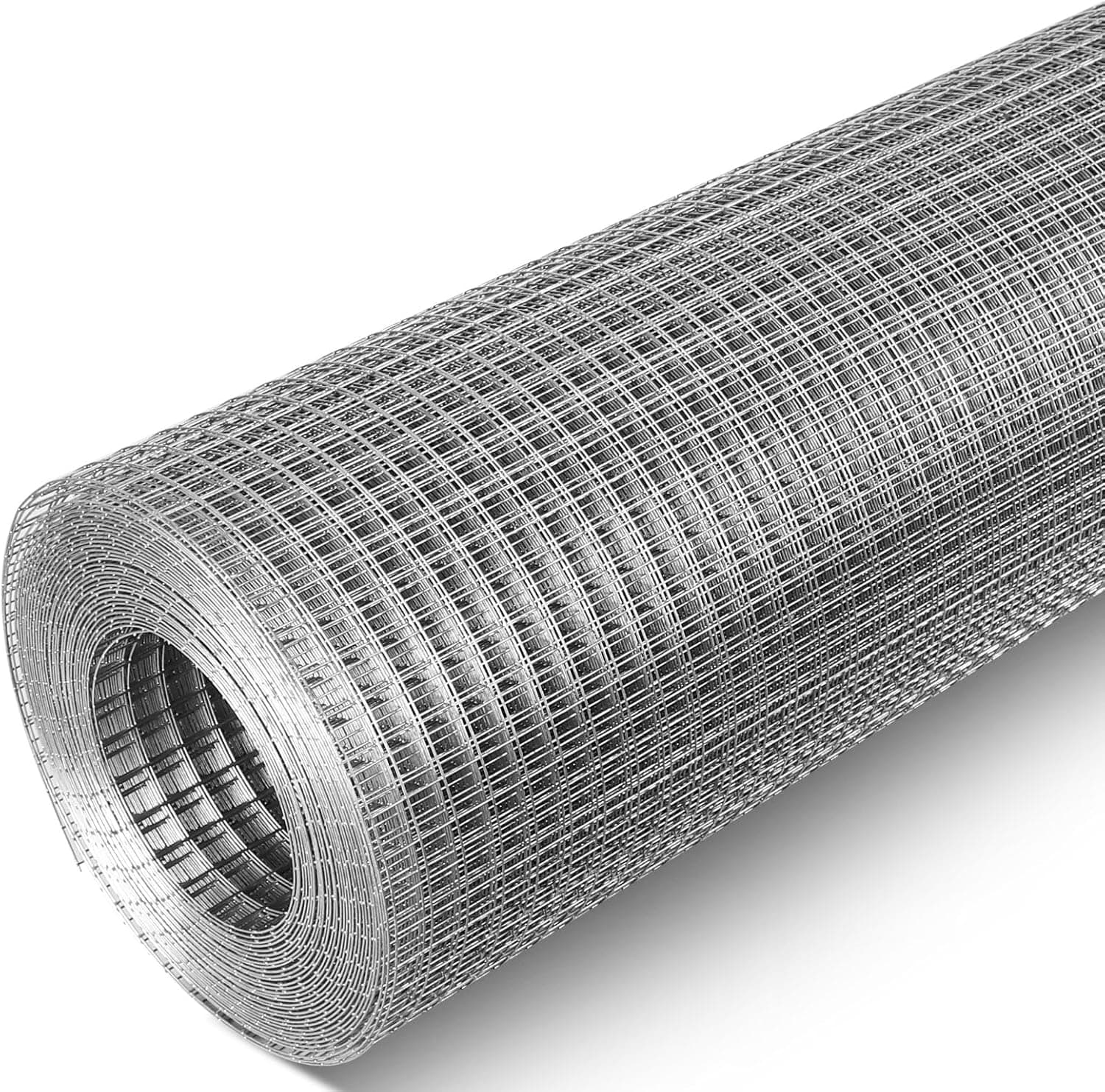
TUSON's 1/2 inch, 24 x 100 ft, 19 Gauge hot-dip galvanized after welding wire mesh for chicken wire fencing.
Price range: $ (Budget)
What we liked
- + Much stronger than hexagonal chicken wire against predators
- + Galvanized after welding protects the weak points of the mesh
- + Full 100 ft roll covers coop windows, vents and run walls
Trade-offs
- - Newer brand with limited track record on long-term rust resistance
- - Stiff roll tends to curl back and needs fastening as you go
Who this roll of hardware cloth is for
TUSON markets this roll specifically as chicken wire fencing and a snake fence in the same listing, which fits keepers dealing with both flying and crawling predators around a coop and run. A full 100 foot roll at 24 inches wide covers windows, vents and run walls on a mid sized setup, and independent guidance on coop security backs the underlying 1/2 inch, 19 gauge specification as strong enough to stop diggers, flyers, slitherers and crawlers when the mesh is welded rather than woven. It suits builders working on a full enclosure more than someone patching a single small gap, since a shorter roll would be more economical for minor repairs. Snake proofing specifically benefits from the tight 1/2 inch opening, since larger mesh sizes let smaller snakes through.
What galvanized after welding adds to the build
The wire is welded into its grid pattern first and then hot dip galvanized, which coats the weld points along with the rest of the wire rather than relying on wire that was galvanized before welding. This matters because welding can burn off some coating at the joint if the wire was already coated, leaving a small bare spot that starts rusting first; galvanizing after welding avoids that gap. The 19 gauge wire diameter sits in the range independent sources recommend for predator resistant fencing, since a thicker gauge is harder for an animal to bend or force open than the finer wire used in basic poultry netting. This construction is much stronger than woven chicken wire, which can be pulled apart or torn by a determined predator.
Handling and installing a full 100 foot roll
A stiff, freshly unrolled length of 19 gauge mesh tends to curl back toward its original coil shape, so fastening it to a frame as you go, rather than trying to lay the whole length flat first, makes the job easier and keeps the mesh under control. The roll is on the heavier side for its size, so having a second person to help unroll and hold it while fastening speeds things up considerably on a long run. Cut edges are sharp, so gloves and eye protection matter throughout, not just during the first cuts. Leftover material from a 100 foot roll is commonly used to reinforce weak points elsewhere in the run or to build a below ground apron against digging predators.
Trade offs and how it compares
In the site's coop apron guide this roll ranks fifth of seven and in the dedicated hardware cloth guide it ranks third of eight, both times close in score to YardGard, VORVIL and VEVOR rolls sharing the same core 24 by 100 foot, 1/2 inch, 19 gauge specification. TUSON sits behind KAWAREVO and LAN JIA in the apron guide, brands with a longer track record in this category, and the review notes TUSON as a newer name without the same length of user history on long term rust resistance. For a keeper who wants the reassurance of an established brand, LAN JIA's galvanized after welding roll ranks slightly higher; for one focused on the snake fence use case specifically, TUSON's own listing calls that out directly.
Verdict and who should pick something else
For a keeper building a full coop and run enclosure who wants welded, galvanized after welding mesh strong enough to double as a snake barrier, TUSON earns its score of 8.4 out of 10 on fit, features and value. Buyers who prioritize an established brand history over a slightly newer name, or who only need a short patch length, may be better served by LAN JIA's roll or a shorter cut from a rival. Whichever roll is chosen, fasten as you unroll rather than fighting the coil's memory, and wear gloves throughout the cutting and installation process.
Frequently asked questions
Does this hardware cloth stop snakes?
TUSON markets this roll as a snake fence, and the 1/2 inch welded mesh is tight enough to block most snakes, which is a common reason keepers choose hardware cloth over wider mesh chicken wire.
Why does the roll curl back after unrolling?
The wire keeps some memory of its shipping coil shape, so fastening the mesh to the frame section by section as you unroll it is easier than trying to lay the full 100 feet flat first.
Is TUSON as established a brand as other hardware cloth makers?
TUSON is a newer name in this category compared with longer established hardware cloth brands, so it has less of a track record on long term rust resistance, though the galvanized after welding process is the same approach used by older brands.
What gauge wire is best for keeping out predators?
Thicker gauge wire resists bending and tearing better than thinner poultry netting, and 19 gauge combined with a 1/2 inch welded mesh is a common recommendation for coop and run security.
Prices change often, so check the current price and availability on Amazon.
Check price on AmazonChicken Coop Nest may earn a commission from the link above.